Introduction
For decades, Brazil has been portrayed as a sleeping giant in the global imaginary. For a country with an area of 8.5 million square kilometers, a population exceeding 200 million, its position among the world’s ten largest economies, its abundant natural resources in strategic sectors, and its recognized strength in the agro-industrial sector, Brazil faces the challenge of understanding why it lacks strong indicators of socioeconomic development and remains unable to assume a more prominent role on the international stage.
In comparative terms, it is a violent and unequal nation, with one of the ten highest Gini coefficients in the world—comparable only to countries in sub-Saharan Africa, where the burdens of poverty are, in most cases, far more troubling.
Symbolic Protagonism Amid Internal Violence
One of Brazil’s greatest challenges undoubtedly lies in its effort to strengthen its presence on the global stage as a strategic player. In an ideologically polarized world, what would it mean if a long-standing tradition were losing its ability to remain independent, consistent, and a force for peace? Symbolically, the country unites elements of importance for the international community. For example, since the 10th session of the United Nations General Assembly in 1955, Brazil has delivered the opening speech. The honor is not formally institutionalized, yet it stands as an important symbol. This commitment is linked to the diplomatic skills of Oswaldo Aranha, who chaired the second UN General Assembly in 1947 and played a decisive role in the adoption of the resolution that led to the partition of Palestine and the creation of the State of Israel. Is there still room for such positions in an increasingly polarized world, marked by conflicts that fuel theories and arguments about a possible new world war? It is difficult to believe.
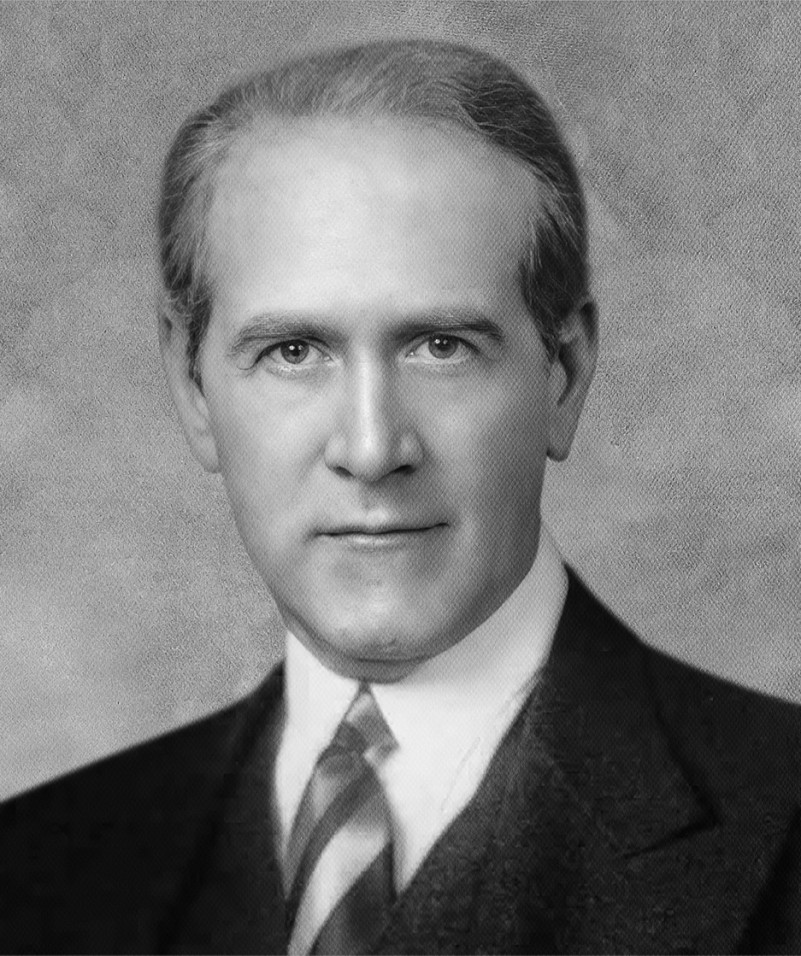
Historical Polarization: PT vs. PSDB (1989-2014)
While the world presents itself in this way, it cannot be said that peace reigns in Brazil, nor that the nation is merely a victim of forces opposed to its core values. The country is far from peaceful, and its disputes increasingly touch upon political matters. In recent years, issues of a relational nature have drawn the nation into increasingly complex situations. Part of this challenge stems from the radical ideological polarization shaping the world. Brazil is simply a reflection of that reality. Thus, beyond socioeconomic issues marked by deep problems of coexistence, politics has increasingly become a stage for radical extremes.
For example, Brazilian presidential elections have been marked by polarization since the return of direct voting during the re-democratization of the 1980s—a pattern not uncommon in many democratic countries. In 1989, in the first national elections since 1961 following the 1964 coup d’état, right-wing candidate Fernando Collor and left-wing candidate Luiz Inácio Lula da Silva advanced to the second round, where Collor won by a narrow margin of six percentage points: 53% against 47% of the valid votes.
Across the six presidential elections held between 1994 and 2014, candidates from the left-wing Workers’ Party (PT) were consistently among the top contenders, facing off against candidates from the Brazilian Social Democracy Party (PSDB)—a party founded on the center-left in the 1980s but positioned closer to the political center for much of that period. In these cases, polarization consistently pitted the two parties against each other, and it is worth noting that in the first round of the presidential elections during this period, they secured at least 70% of the valid votes in 2002 and as much as 90% in 2006.
Something shifted in 2014. Like other nations, Brazil entered a period of profound questioning of its democratic and political institutions, as well as its mechanisms of representation. During what became known as the June 2013 protests, Brazil witnessed widespread dissatisfaction across large sectors of society, with demonstrators taking to the streets in dozens of cities under the slogan #nãomerepresenta (‘you don’t represent us’). Even so, in 2014 the PT once again faced off against the PSDB in the elections, with the two parties together accounting for 75% of the valid votes. It was, however, the last time.
The Rise of Bolsonaro and the Surge of Extreme Radicalization
That year, after the elections, a far-right federal deputy with authoritarian views and little regard for democracy asserted that the tension surrounding those presidential elections would carry him to the presidency in 2018—as long as the escalation of radicalism continued. Jair Bolsonaro, who served seven terms as a federal deputy for Rio de Janeiro, managed to present himself as the necessary novelty in a country facing deep political turmoil. He argued that the right wing was shedding its shame, taking to the streets in democratic protests and preparing to defend a conservative and forceful banner against the left, which he branded as a corrupt and communist threat.
In 2018, the PSDB lost its prominence, and the confrontation with the left became more visceral with the rise of a radical right wing. The polarized presidential election set these two sides of the spectrum against each other, and the center collapsed. At the time, Jair Bolsonaro was a member of the small PSL party, which he had joined shortly before the legal deadline to formalize his candidacy. He faced Fernando Haddad, the former mayor of São Paulo from the PT, who stepped in to replace the then-ineligible Lula. The former leader had been imprisoned from April 7, 2018, to November 8, 2019, on corruption charges that were later annulled. Together, Bolsonaro and Haddad accounted for 75% of the votes in the first round.
However, polarization was no longer the same. It extended beyond electoral disputes and took root in sharp divisions that fueled violence and deep intolerance among families, friends, and society at large. These divisions were reflected in consumption habits, behaviors, clothing, and the adoption of lifestyles and ways of life.
In 2022, Lula—freed from corruption charges after controversial court rulings—and Bolsonaro—seeking reelection following a term marked by high disapproval ratings, particularly over his handling of the COVID-19 pandemic—faced off at the polls. Between them, they secured an unprecedented 92% of the valid votes in the first round, in an extremely heated campaign. Furthermore, the runoff election was marked by near parity, with a difference of only two million voters, or 1.8% of the valid votes.
Electoral Denial and the Attempted Coup
Beyond the small margin, polls revealed unusually high voter rejection of both candidates, with equally unprecedented percentages. The book Biografía do abismo – Biography of the Abyss – (Nunes and Traumann, 2023) captures precisely this scenario of polarization extending beyond the ballot box.
Bolsonaro refused to accept defeat. Throughout much of his term in office, the then president intensified his attacks on Brazil’s electronic voting system —even though that same system, improved over decades, had certified his own victory in 2018.
In 2022, confronted with the real prospect of defeat by Lula, Bolsonaro convened international ambassadors at an official event to denounce the country’s alleged electoral insecurity. He also clashed with the judiciary and threatened Supreme Court ministers. Upon leaving office, without immediately acknowledging defeat and entering self-imposed exile in the United States without formally transferring power to his successor, he positioned himself as leader of the opposition, navigating a precarious balance between sharp anti-Lula rhetoric and assaults on democratic institutions. Back in Brazil, he spent a night at the Hungarian embassy in Brasilia for fear of being arrested.
In June and October 2023, as a result of the 2022 meeting with ambassadors and abuses of power during the elections, he was convicted by the Superior Electoral Court and disqualified from holding office, thereby losing his political rights. Moreover, for orchestrating an attempted coup d’état that unfolded in several stages between 2021 and January 2023, he was sentenced to prison in September 2025.
Between the United States and the BRICS
The extreme polarization experienced in Brazil extended into the sphere of international relations, reflecting similar dynamics seen in other countries. The United States is today one of the clearest examples of how radical political choices become intertwined with trade issues and the broader logic of international relations.
The Brazilian right wing aligned itself more closely with Washington, particularly during Donald Trump’s administrations, while the left wing proved more receptive to advancing agendas in cooperation with the BRICS. Originally composed of four countries, the group has since expanded to eleven members: Brazil, Russia, India, China, South Africa, Saudi Arabia, Egypt, the United Arab Emirates, Ethiopia, Indonesia, and Iran.
The effects of polarization extended into South America’s regional ties, where ideology became a defining factor. For example: In Argentina, the victory of right-wing candidate Javier Milei created rhetorical distance from Brazil, which remains under the leadership of left-wing President Lula da Silva.
In all these cases, the core challenge was figuring out how much ideological posturing was needed to satisfy voters conditioned within the online sphere—an essential and strategic arena of the new political order— and determining how much commercial and economic pragmatism could be sacrificed in the process.
Trump’s Tariff Hike and Brazilian Nationalism
This dynamic appeared to shape the foreign policy agenda: radical presidents delivering fiery speeches in the virtual sphere, captivating a mesmerized electorate, yet leaving the fundamental pillars of their economies largely untouched.
In Brazil, the Bolsonaro family was accused, particularly during the pandemic, of making xenophobic remarks against China on several occasions. Yet, despite explanations that were often unconvincing, bilateral trade remained robust and continued to grow. Between 2000 and 2024, China advanced from the position of Brazil’s tenth-largest buyer to its leading trade partner. Today, its dollar volume of imports is more than twice that of the United States, which remains Brazil’s second-largest trading partner.
In commercial terms, no partnership is more emblematic for Brazil than this one, and none more clearly illustrates the challenges that political polarization imposes on international relations. This is particularly evident now, as the arena of virtual bravado has diminished in relevance under the new Trump administration. Beyond aggressive rhetoric, nonsensical claims, and exaggerated falsehoods, this businessman—reelected in 2024 for another four-year term—has adopted radical positions since resuming office in the White House in January 2025. Such behavior is scarcely compatible with a nation that professes to embody, in symbolic fashion, the core principles of democracy—illustrated, for instance, by the amnesty granted to those convicted of the Capitol attacks following the 2020 defeat to Joe Biden.
It is worth noting here that assessments of democratic performance suggest the United States is no longer classified as a full democracy. According to the most recent Varieties of Democracy (V-Dem) report, based on the 2024 scenario, several countries are losing even the minimal attributes that anchor them to democratic reality. Regarding the United States, the report observes: “The scale of what is happening in the U.S. is unprecedented and prompts a closer look at what seems to be the fastest evolving episode of autocratization the USA has been through in modern history.” (V-Dem, 2025).
Donald Trump has moved beyond the realm of fake news and virtual incitement. He has pursued a global trade war, undermined international institutions with funding cuts, and placed the world on alert. He has diminished the role of diplomacy and initiated negotiations for new trade terms with nearly every nation, employing a tone considered aggressive by international standards.
In Brazil, the policy became known as the tariff hike. Initially, the country faced only a modest increase compared to the global average. However, based on erroneous figures that misrepresented a favorable trade balance for the U.S. as a deficit, Washington later imposed a tax of approximately 50 percentage points. Pressured by domestic business leaders and aware that certain sectors were too strategically important to absorb the impact, Trump partially retreated. Nevertheless, he upheld his stance on key economic areas, leaving Brazil on alert.
Some of Brazil’s challenges were alleviated through the establishment of new trade partnerships worldwide. Coordinated efforts by business leaders and the government, along with stronger relations with Germany, Mexico, and China, helped reverse part of the damage.
How Ideologization Benefits Lula: The Trump Effect
But in Brazil, the process of ideologization allowed radical rhetoric to dominate everyday life.
Lula da Silva’s administration benefited from certain measures, and the Brazilian government’s approval ratings rose in domestic public opinion. As in other countries where he maintained open conflicts, the U.S. president inadvertently reinforced nationalist sentiment and bolstered the image of local leaders. This pattern was evident in Australia and Canada during their elections, and Brazil was no exception. Between June and September 2025, President Lula da Silva’s approval ratings rose across several polling institutes: 4 percentage points at Datafolha, 2.5 points at Quaest (July–August), 3 points at PoderData (June–July), and 3.4 points at Paraná Pesquisa (June–August). Analyses attribute a significant portion of these gains to the impact of Trump’s measures.
Legal Battles, External Threats, and Extremist Narratives
The prevailing trend points to rising approval ratings for Lula. The Trump administration admitted that its position against Brazil was politically and ideologically motivated. The trial of former President Bolsonaro, a close ally of Trump, in Brazil’s Supreme Court would become the central argument. His son Eduardo— a federal deputy elected in São Paulo— sought refuge in the United States and has since argued that Brazil must ‘wage war’ to free itself from what he describes as a dictatorship of the Supreme Court, which convicted his father. The influence of his narrative within the White House led to economic sanctions, including tariffs and restrictions targeting members of the Brazilian judiciary. In this instance, the Magnitsky Act was invoked against the justice who sentenced former President Bolsonaro to more than 27 years in prison for attempted coup d’état.
International public opinion proved largely ineffective. On August 30, 2025, The Economist commended Bolsonaro’s trial for attempted coup while openly criticizing the United States for its response to the Capitol invasion and its apparent democratic decline. Trump reacted forcefully against the trial, and upon its conclusion on September 11, 2025, expressed surprise and disappointment, as members of his team sought to issue new economic threats.
While in the United States, Eduardo Bolsonaro launched a fierce attack on Brazil’s justice system, declaring that the family of Minister Alexandre de Moraes—who oversaw the case—ought to be persecuted. In the public demonstrations leading up to the decisive week of the trial, both politicians and religious leaders intensified their rhetoric against the Supreme Court, and particularly against the justice presiding over what has been described as the most significant case in Brazil’s history. This unprecedented ruling convicted a former president, former ministers, and members of the military high command—figures historically implicated in coups d’état yet spared from punishment for decades. At a right-wing rally on Avenida Paulista in São Paulo, held on Brazil’s Independence Day, September 7, 2025, a massive American flag was displayed as supporters carried signs in English appealing for Trump’s assistance. This episode reflects the current trajectory of Brazilian politics, marked by intense radicalization, the spread of fake news, and the fabrication of implausible narratives.
In this context, Brazil is preparing to host COP30 in Belém, the capital of Pará in the Amazon region. Widely regarded as the most significant environmental summit, COP30 will take place despite the city’s structural and economic limitations, particularly in infrastructure and accommodation. The objective is to turn the conference into yet another milestone in Brazil’s effort to position itself as a central actor in global environmental governance.
Once again, Brazil faces the weight of expectations tied to its image as the sleeping giant. For decades, the country has pursued recognition as a powerhouse in tourism and environmental leadership. Yet, despite meaningful progress in environmental initiatives, the achievements remain eclipsed by deforestation statistics and, above all, by the grip of radical ideological narratives. There is a persistent tension between visions of progress and the destruction of natural reserves, between economic growth and the preservation of forests. Global warming continues to be questioned, while natural disasters such as floods and droughts are often attributed to divine causes.
Regional Threats: Venezuela in the Sights of the United States
Finally, regarding the position of the United States, its government has issued threats, including seizing Greenland from Denmark, asserting control over the Panama Canal, transforming Gaza into a tourist resort, annexing Canada into its centralized federal system, and crushing or isolating Mexico. In this climate, Venezuela—Brazil’s border neighbor—also perceives itself as under threat. Possessing the world’s largest oil reserves and long ruled by a dictator, the nation is deepening its ties with the United States over its petroleum wealth, even as warships are positioned off its coast. What does this mean? Trump proclaims a desire for peace in Ukraine and Gaza, yet appears unable to grasp the complexities of conflicts unfolding in northern South America. What, then, is he truly seeking to achieve?
Brazil’s Challenges as a Global Player
Determining how Brazil will position itself as a global actor in the years ahead involves examining several dimensions.
On one hand, Brazil must confront its past and the enduring promise of becoming a giant—often portrayed as dormant in various interpretations. On the other, it grapples with a present defined by sharp ideological conflict, which has radicalized the political landscape and driven parts of society either into deep distrust of politics or into uncompromising praise of the left or right, leaving little room for dialogue. Finally, the nation must also confront its future: despite navigating a period of extremes, Brazil has historically distinguished itself by sustaining positive relations with nearly all countries.
Brazil, now opening UN conferences, finds itself entangled in internal conflicts while simultaneously facing external pressure from a superpower that challenges the sovereignty of its judicial system.
In a recent statement on freedom of expression—clearly aligned with the interests of major tech companies operating in Brazil—White House spokeswoman Karoline Leavitt asserted that Trump is willing to “use the economic and military power of the United States to protect freedom of expression around the world.” This statement comes at a time when tech companies in Brazil are under pressure from judicial rulings and legislative proposals connected to Bolsonaro’s trial.
Brazilian diplomats criticized the threat, yet the central question persists: to what extent can democratic principles, national sovereignty, and diplomacy provide the framework for understanding the role of a nation burdened by historical internal challenges and immersed in the ideological conflicts shaping much of the world today? The vision of a developed Brazil – anchored in environmental leadership, the strength of its agribusiness sector, and institutional resilience in defense of democracy – cannot be realized without a clear recognition of its global role in the current context.
References
Nunes, F., & Traumann, T. (2023). Biografía del abismo. La polarización política en Brasil 2018-2022. Harper Collins Brasil.
Varieties of Democracy. (2025). Informe sobre la democracia. Instituto V-DEM.
The Economist. (2025, August 30). What Brazil Can Teach America – the trial of Jair Bolsonaro.