The end of order
Prólogo
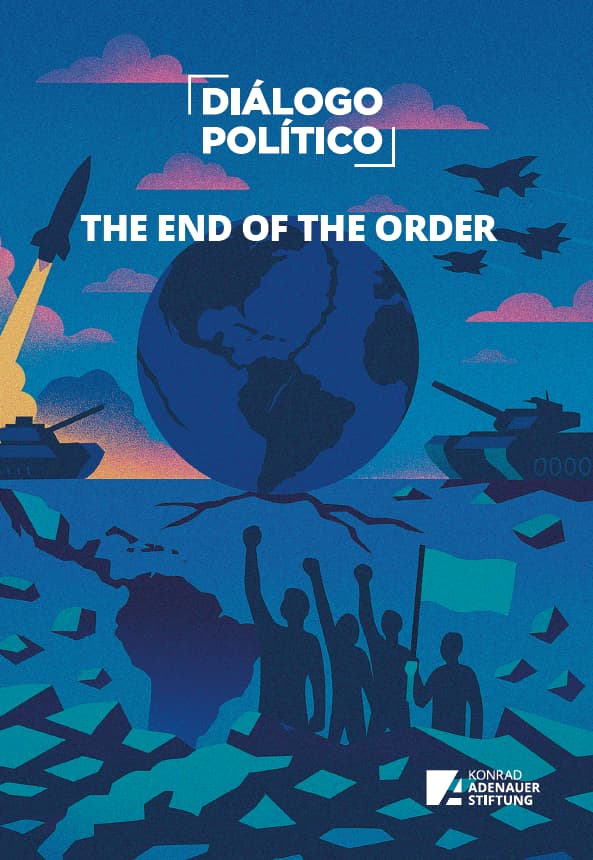
The certainties that sustained the international order for decades seem to be fading before our eyes, revealing a scenario marked by uncertainty and fragmentation. After the Cold War, American hegemony and multilateralism offered a relatively stable framework: clear rules, strong institutions, and a narrative that linked economic openness with democratic expansion. Today, that narrative is crumbling. Geopolitical tensions, the rise of emerging powers, and the erosion of global consensus signal the end of an era.
This change is also symbolic. The ideas that legitimize the liberal order—cooperation, interdependence, faith in democratic progress—now face a reality where strategic competition, economic nationalism, and transactional logic prevail. Globalization has become a battleground. Supply chains are being reconfigured, trade agreements are politicized, and technology is transformed into a geopolitical weapon. On this board, China emerges as a central actor, while the United States redefines its role, oscillating between withdrawal and confrontation. The result is a less predictable world, more prone to conflict.
Latin America observes this process from an ambiguous position. On one hand, the region is an object of interest in global competition: strategic resources, expanding markets, and a geopolitical space coveted by major powers. On the other hand, it faces its own internal weaknesses: fatigued democracies, fragile institutions, and a citizenry that swings between apathy and indignation. The rise of personalist leaderships and illiberal discourses reveal a deep malaise with traditional models of representation. The democratic promise, far from being consolidated, seems trapped in a spiral of distrust and polarization.
Is it possible to reconcile the demands of geopolitics with democratic ideals? This question runs through the pages of this special edition of DIÁLOGO POLÍTICO. It is not only about describing the decline of the liberal order, but about questioning its implications for our societies. What does the “new” international system mean for countries with dependent economies and fragile democracies? How do global tensions affect the configuration of elites, the distribution of power, and the political narrative? Are we witnessing the end of a historical cycle or the birth of a new paradigm?
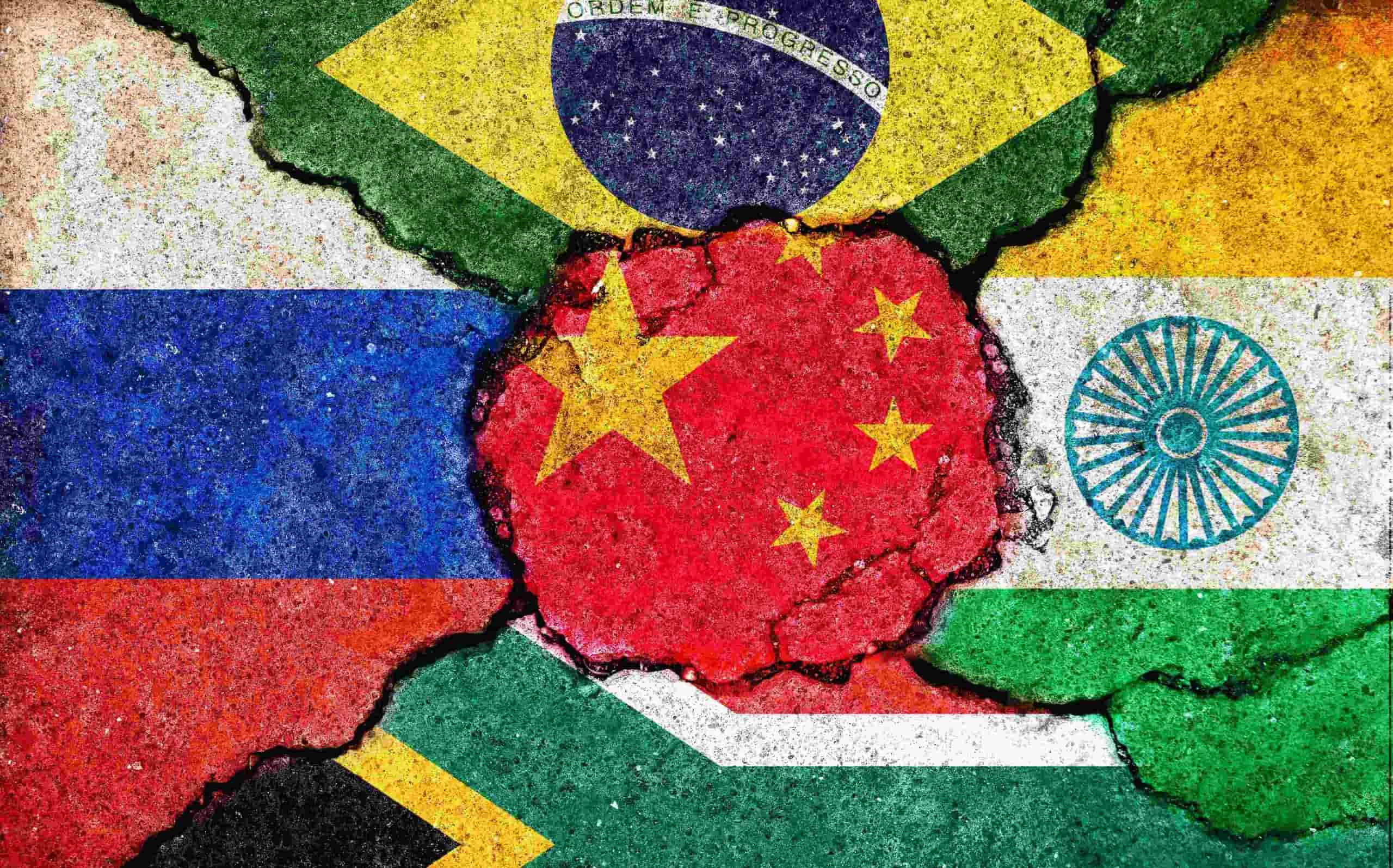
The analyses gathered here offer keys to understanding this transition. From the redefinition of world trade and the role of China, to the expansion of the BRICS and the centrality of energy in the global dispute. Internal phenomena are also examined: the return of authoritarianism, the construction of political narcissism, and the uncertainty about Brazil’s role as a regional power. Each contribution illuminates an aspect of a common problem: the tension between an order that is fading and another that has yet to be born.
Reflecting on “the end of order” does not imply nostalgia for the past or resignation to chaos. It means recognizing that the rules we thought immutable are, in reality, contingent. That democracy, far from being a destination, is a project in dispute. And that Latin America, in this context, must decide whether it will be a passive spectator of global reconfiguration or a protagonist of its own destiny. The challenge is enormous: to articulate national interests with democratic principles in a scenario where force and negotiation replace cooperation. But it is also an opportunity to rethink our strategies, renew our institutions, and recover confidence in politics as a tool for transformation.
Henning Suhr (Director)
Ángel Arellano (Editor)
The end of order
Artículos

Rearranging the Pieces. The New Commercial and Geopolitical Landscape in Latin America


Anarchy in the international system: A new era of realism?


Varieties of Authoritarianism in Latin America: Between Staying Power and Change


The Rise of Illiberalism and the Cultivation of Political Narcissism



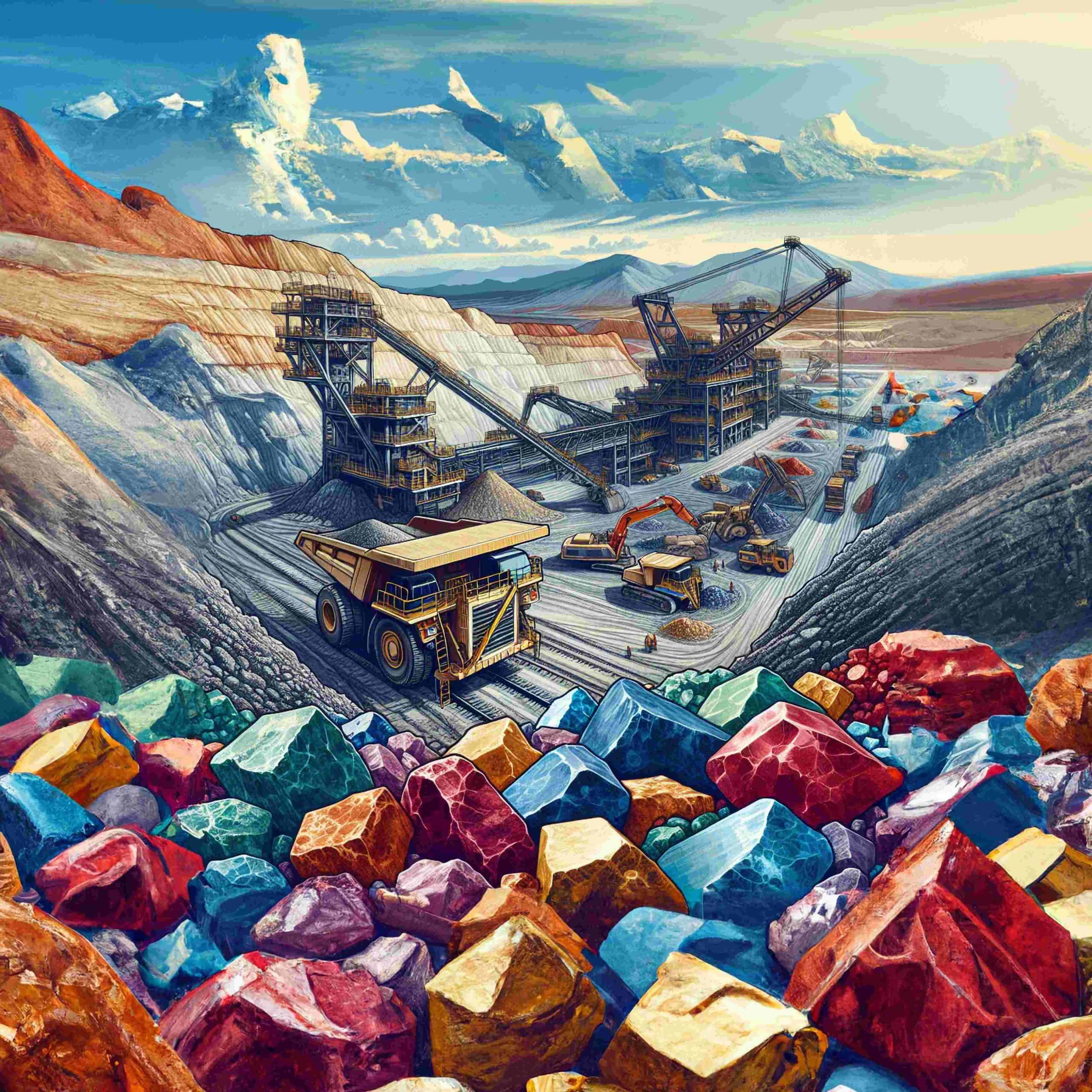
Energy Geopolitics and Emerging Global Axes