Energy has long been a cornerstone of international power and conflict. Today, however, the relationship between geopolitics and energy is undergoing a profound transformation. The global shift toward renewable sources and the rapid expansion of clean technologies are reshaping power hierarchies and eroding traditional patterns of dependency.
At the same time, the fragmentation of global value chains and the resurgence of protectionism are especially pronounced in the energy sector. Competition ranges from the manufacturing of batteries, solar panels, and turbines to disputes over the refining of critical minerals and the rollout of green hydrogen infrastructure. These dynamics signal a future of heightened rivalry, in which industrial policies increasingly serve as instruments of geopolitical power.
Nevertheless, fossil fuels continue to serve as a foundation of the global energy system. The war in Ukraine has demonstrated how natural gas can be wielded as a tool of geopolitical pressure, while oil remains indispensable for global transportation and industrial production. Far from being sidelined, these resources face new dynamics: suppliers are diversifying, supply routes are shifting, and competition among major powers to secure them is intensifying within the broader context of transition.
The weakening of traditional alliances and the rise of new centers of influence are producing a more unstable and competitive global landscape. In this environment, fossil fuels continue to coexist with the growing importance of critical minerals, green hydrogen, and mass electrification. Understanding how these dynamics are reshaping hierarchies, alliances, and vulnerabilities is essential to grasping the future of the international order.
Energy as the Axis of Global Power
Throughout most of the 20th century, energy geopolitics revolved around oil and gas. Control over these resources followed a relatively simple logic: extraction, transportation, and consumption. The oil crises of the 1970s revealed how reliance on hydrocarbons could reshape entire economies and grant producing nations disproportionate influence. In this context, the Gulf States asserted themselves as decisive players in the global order, while consumer powers such as the United States, Europe, and Japan crafted national security strategies aimed at guaranteeing stable and affordable access to energy resources (Center on Global Energy Policy, 2023).
In recent decades, this pattern has diversified. The expansion of liquefied natural gas, the rise of the United States as a net exporter of hydrocarbons through shale development, and the consolidation of new demand centers in Asia have altered the traditional axes of energy power. Today, the fossil fuel market is more liquid and multipolar, with both state and private actors competing in an arena where logistics, infrastructure, and negotiating leverage are as decisive as the underground reserves themselves.
This transformation is further intensified by the energy transition. Unlike oil and gas—finite resources whose geopolitical weight derives from extraction and transport—renewable energies rely on a far more intricate architecture: value chains encompassing the mining of critical minerals, refining and industrial processing, mastery of advanced technologies, and the development of electricity grids capable of supporting mass electrification. Energy power today is no longer measured exclusively in barrels or cubic meters, but by technological capacity, control over strategic inputs, and the resilience of global infrastructure.
Gas and Oil: A Continuing Decisive Force
Although the expansion of renewable energies is indisputable, oil and gas continue to underpin the global energy system. Their significance derives not only from historical inertia, but also from their high energy density, ease of transport and storage, and indispensable role in sectors such as transportation, heavy industry, and petrochemicals. According to the International Energy Agency (IEA), global demand for fossil fuels is projected to peak around 2030, yet remain elevated for decades. Even in ambitious transition scenarios, fossil fuels are expected to represent about 60% of the global energy supply in 2050, compared with roughly 80% today (International Energy Agency [IEA], 2025).
The enduring role of hydrocarbons is evident in their geopolitical centrality. Russia’s invasion of Ukraine reshaped Europe’s gas landscape, exposing the region’s dependence and vulnerability, while accelerating the construction of liquefied natural gas (LNG) terminals in Germany and other countries. The United States, Qatar, and Norway have consolidated their positions as leading exporters, while China and India have deepened their relationships with Russia and the Gulf states to secure energy supplies. This context highlights the coexistence of multipolar competition over fossil fuels alongside the gradual expansion of clean energy.
The transformation of the United States into a net exporter of hydrocarbons, driven by the development of unconventional resources or shale, represents another structural shift in the actual global energy landscape. Today, the United States stands as the largest producer of crude oil— 13.2 MMbbl/d (million barrels per day) compared to 7.8 in Saudi Arabia— and of natural gas, with 2,700 MMm³/d (million cubic meters per day) compared to 1,600 in Russia. This position grants the country unprecedented autonomy and reinforces its influence in international markets (International Energy Agency [IEA], 2025).
The Rise of LNG and the New Logistics Landscape
IEA projections indicate that global demand for natural gas will continue to rise in the short and medium term, fueled primarily by Asia, before stabilizing around mid-century. The LNG market reflects a similar trajectory. Shell (2025) projects that global trade will reach between 550 and 600 million tons annually by 2030—an increase of up to 49% compared to 2023—and between 620 and 690 million tons by 2040. By the end of 2024, global liquefaction capacity stood at 494.4 MTPA (million tons per year), with projects under development totaling 1,122 MTPA, while regasification capacity amounted to 1,064 MTPA. The United States has consolidated its position as the leading supplier, followed by Australia, Qatar, and Russia, while the principal importers are China, Japan, India, and the European Union. The advent of floating liquefaction plants has further stimulated this market, lowering costs and shortening the start-up times of new projects.
Critical Minerals: the New Oil?
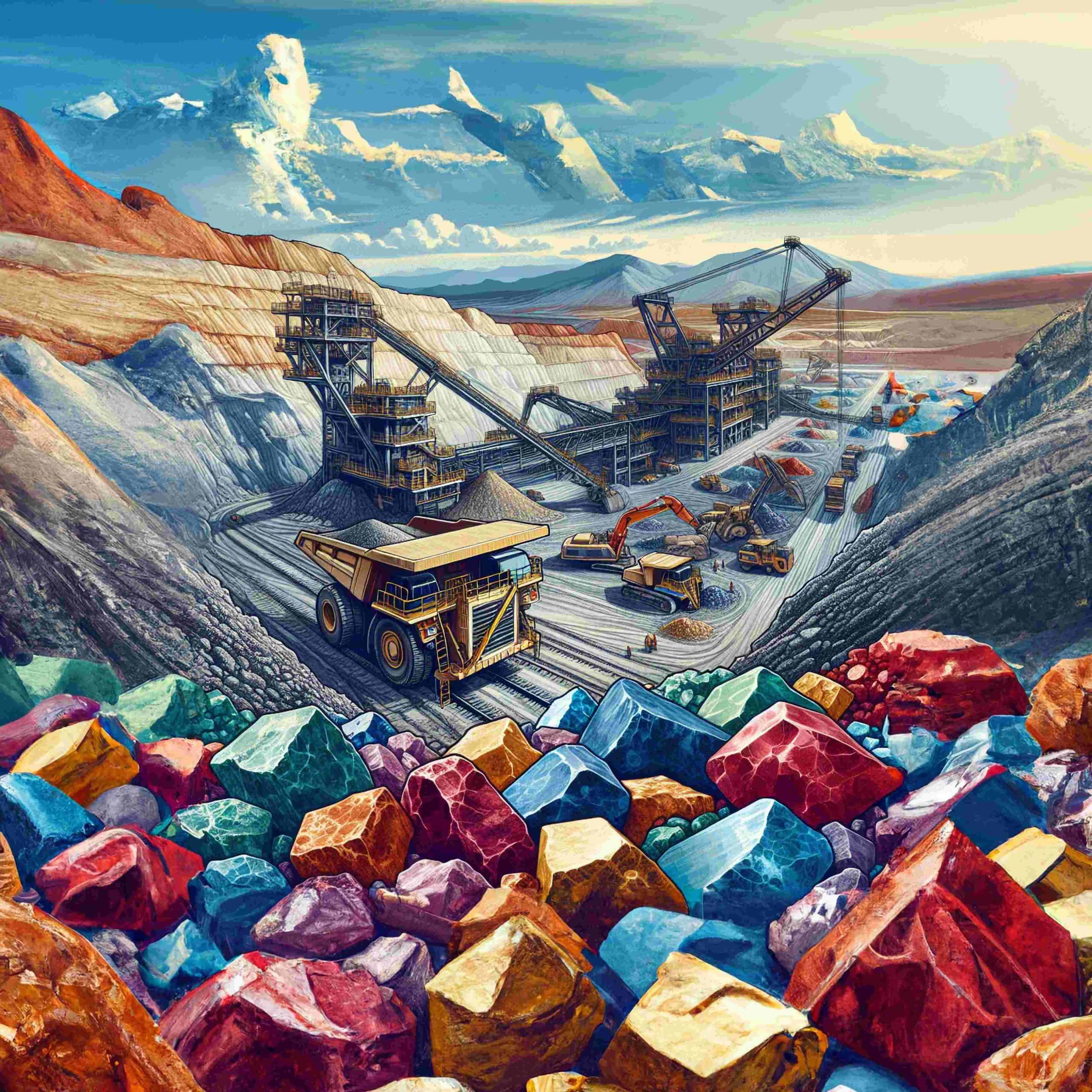
The large-scale electrification of the global economy demands unprecedented volumes of strategic minerals. Lithium, cobalt, nickel, copper, and rare earth elements have become indispensable for batteries, wind turbines, solar panels, and electric vehicles. Control over these resources will be as pivotal in the 21st century as oil was in the 20th.
Production is heavily concentrated. Australia, Chile, and China dominate the lithium market, while Argentina is beginning to emerge with new projects that could expand its share (UC Center for International Studies, 2024). Chile and Peru, along with the Democratic Republic of Congo and China, account for more than half of global copper production. Cobalt supplies are critically dependent on the Congo and, to a lesser extent, Indonesia. Kazakhstan and South Africa dominate chromium output, while bauxite—essential for turbines, batteries, and cables—is concentrated in Australia, Guinea, and China. Latin America—particularly the lithium triangle of Argentina, Bolivia, and Chile—has emerged as a region of strategic importance for China, the United States, and Europe.
Power is not determined solely by extraction. The true leverage lies in processing and manufacturing. China refines nearly 70% of the world’s lithium, dominates rare earth separation, and concentrates most of the graphite used in batteries. Moreover, it produces the majority of solar panels, wind turbines, and batteries, consolidating a leadership position that is difficult to contest (Castillo and Purdy, 2022). The United States and Europe have introduced strategies to reduce dependence, enacting measures such as the Inflation Reduction Act and the Critical Raw Materials Act to foster local refining, recycling, and industrialization capacities. Nevertheless, matching China’s scale and vertical integration remains a formidable challenge (Sesini, 2025).
This scenario has sparked debate in producing countries of the global south over how to secure greater added value. Export restrictions on raw minerals—such as Indonesia’s measures on nickel and Zimbabwe’s on lithium—illustrate efforts to strengthen local industries, though they also carry investment risks and generate trade tensions (Organisation for Economic Co-operation and Development [OECD], 2024).
The reality is that, within a transitioning energy system, competition for critical minerals is already reshaping global hierarchies and redefining the foundations of energy security.
Green Hydrogen and Electrical Infrastructure: New Vectors of Energy Power
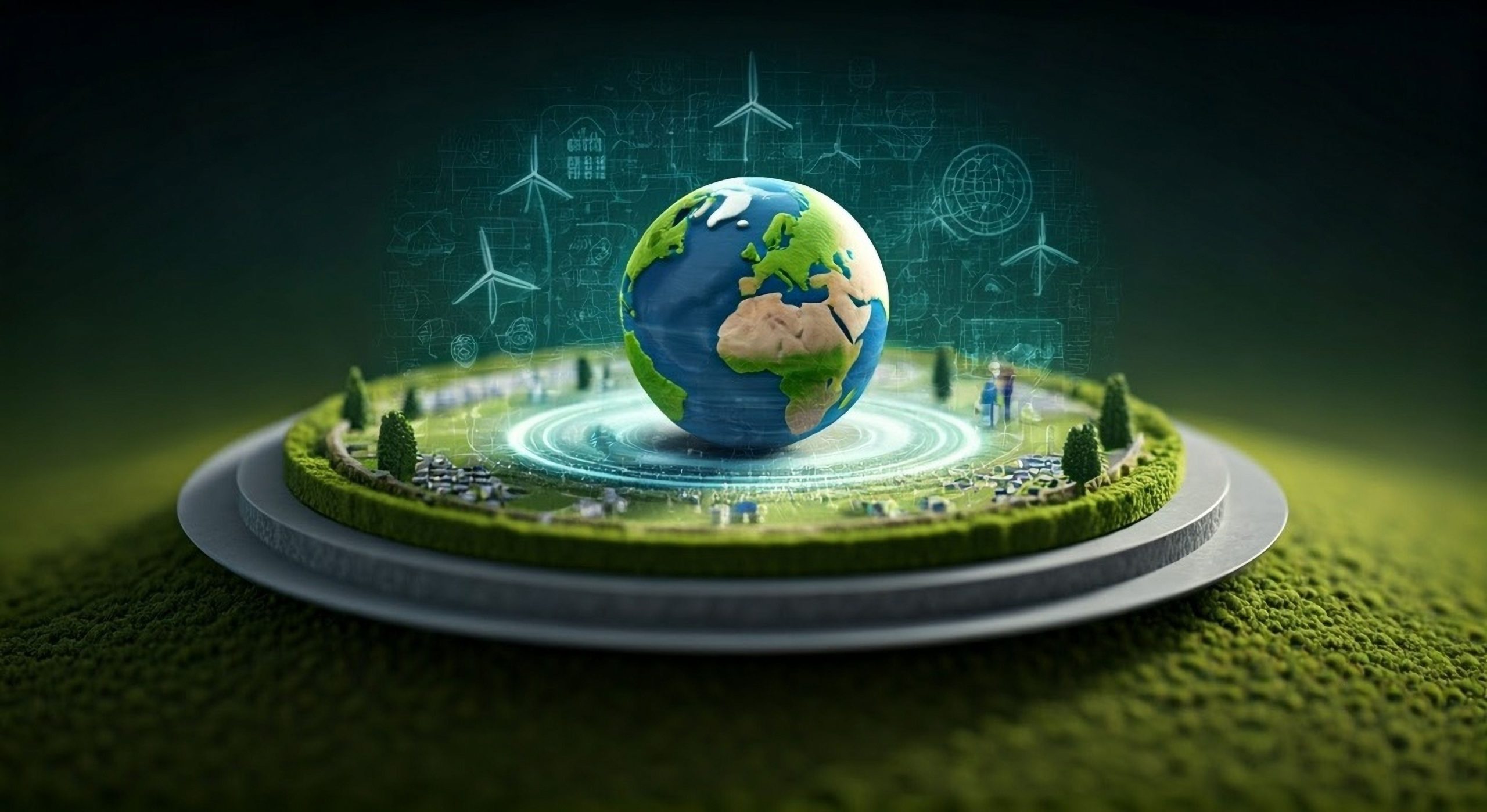
Another emerging dimension of the energy transition is hydrogen, particularly green hydrogen. Produced through the electrolysis of water powered by renewable energy, it offers an emission-free alternative to fossil fuels in sectors where direct electrification is challenging. Germany, Japan, South Korea, and the European Union view it as a key solution for decarbonizing energy-intensive industries, while Uruguay, Chile, Namibia, and Australia are positioning themselves as potential exporters.
This emerging hydrogen route raises critical questions regarding infrastructure, regulation, transportation, the availability of electrolysers, and technological sovereignty. It remains unclear whether it will evolve into a mechanism for global cooperation or instead become another arena of geopolitical rivalry.
The energy transition is not confined to the development of new fuels; it also demands a radical modernization of electricity transmission and distribution networks. Regional and global interconnections are becoming essential to support systems increasingly reliant on renewable energy. Europe is advancing toward a more integrated electricity market, extending connections to North Africa, while China promotes its Global Energy Interconnection Development and Cooperation Organization (GEIDCO) to establish transcontinental networks. Control over these infrastructures may become a strategic instrument of power: those who command electricity flows can exert influence over their neighbors.
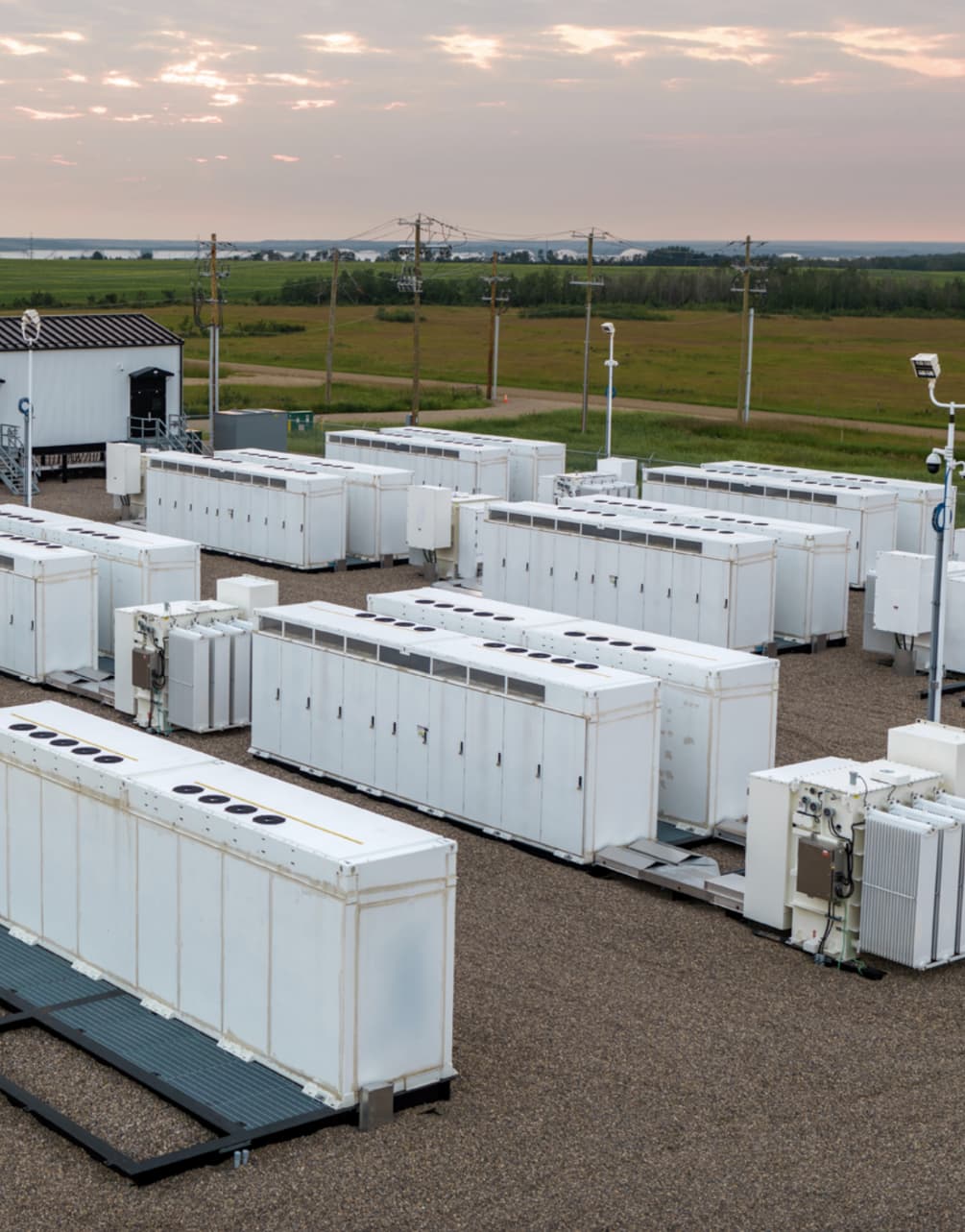
At the same time, new challenges are arising: large-scale energy storage, maintaining grid stability with high levels of renewable integration, and ensuring cybersecurity. The rollout of hydrogen and the modernization of electrical infrastructure are not parallel but complementary processes, both demanding massive investment, international coordination, and clear regulatory frameworks.
Taken together, these dynamics suggest that the energy power of the future will rely less on wells and pipelines and more on networks, nodes, and technological innovation. At the same time, climate change introduces new risks: extreme events that disrupt generation, demand, and distribution, compelling us to design systems that are more decentralized, resilient, and adaptive.
Transition, Industry and Protectionism
The energy transition is no longer assessed merely in terms of resources or infrastructure, but in the capacity to develop entire industries around clean technologies. The production of batteries, solar panels, electric vehicles, and electrolysers now determines both the autonomy of states and their ability to project power. Those who command these value chains not only secure employment and domestic growth, but also set global standards and steer the course of the transition.
China sits at the center of this landscape. It produces over 70% of the world’s batteries and solar panels, around 65% of wind turbines, and approximately 60% of electric vehicles sold in 2024. China’s trajectory no longer revolves around imitating foreign technologies, but rather innovating, scaling up production, and consolidating control over critical segments of the value chain. Backed by a vast domestic market and a level of vertical integration that is difficult to replicate, it has established itself as the benchmark for the global green industry.
The United States and Europe are striving to reduce dependence and revitalize their industrial sectors. The Inflation Reduction Act unleashed a wave of clean energy investment that extended even into traditionally Republican states, though its implementation has been constrained since 2025 (Kupzok, 2025). The new administration reinforced the protectionist turn with broad tariffs and reshoring policies designed to rebuild domestic supply chains.
Europe, for its part, combines targeted subsidies with regulatory tools such as the Carbon Border Adjustment Mechanism (CBAM). This mechanism imposes taxes on imports of carbon-intensive goods and incentivizes clean production to remain concentrated within the Union (García-Herrero and Schindowski, 2024). Yet Washington and Brussels’ strategies do not always align: they compete to attract investment, diverge in incentive design, and reveal mounting tensions in transatlantic trade.
Green industrialization has become a core dimension of geopolitical competition. China is solidifying its dominance in next-generation technologies, whereas the United States and Europe attempt to counter with strategies that remain fragmented and expensive. The outcome is not full decoupling but controlled fragmentation: while global chains persist in non-strategic segments, the critical nodes of the transition—batteries, electric vehicles, and renewable technologies—are increasingly structured around competition, protection, and power.
The challenge of the energy transition is not merely technical, but profoundly geopolitical. Competition over clean technologies has prompted protectionist measures such as the U.S. Inflation Reduction Act and the European Union’s pursuit of strategic autonomy. These dynamics risk constraining developing countries, limiting their capacity to integrate into global value chains.
Conclusion: Scenarios for a Transitioning Global Order
Energy geopolitics has grown more complex, polycentric, and volatile. Oil and gas remain pillars of the energy system, yet no longer carry strategic weight on their own. Alongside them, critical minerals, new electrical infrastructure, and technologies such as green hydrogen are emerging, broadening the map of resources and decisive capabilities. The result is a landscape in which traditional and emerging sources of influence coexist, and disputes extend beyond resource extraction to encompass entire value chains.
China’s dominance in clean technology manufacturing, the protectionist response of the United States, and Europe’s pursuit of strategic autonomy reveal that the energy transition transcends environmental concerns: it is now a contest for industrial and geopolitical power. Countries in the Global South, endowed with abundant mineral and renewable resources, are being drawn into this struggle. Yet they face the dilemma of how to transform these advantages into sustained development while avoiding the trap of remaining mere suppliers.
In this scenario, the energy transition will shape not only the future of the planet but also the architecture of international power. What is at stake is not simply the type of energy consumed, but control over technology, infrastructure, and the capacity to adapt to a more unstable world. Grasping this dynamic is crucial to anticipating the conflicts, alliances, and avenues of cooperation that will define global politics in the decades ahead.
Bibliographic references
Castillo, R., & Purdy, C. (2022, August 1). China’s role in supplying critical minerals for the global energy transition. What could the future hold? Brookings Institution.
Center on Global Energy Policy. (2023). The 1973 oil crisis: Three crises in one and the lessons for today. Columbia University.
Centro de Estudios Internacionales UC. (2024). Minerales críticos para la transición verde. Authors: Roberto Ovalle S., Diego Rojas T. & Jorge Sahd K. Pontificia Universidad Católica de Chile.
García-Herrero, A., & Schindowski, R. (2024). Unpacking China’s industrial policy and its implications for Europe. Working Paper 11/2024. Bruegel.
International Energy Agency (IEA). (2025). Global energy review 2025.
Kupzok, N. (2025, July 31). Climate policy is still good for business. Foreign Affairs.
McCormick, M., & Smyth, J. (2024, 23 de abril). How US shale keeps sheltering America from the next oil price surge. Financial Times.
Organisation for Economic Co-operation and Development (OECD). (2024). oecd inventory of export restrictions on industrial raw materials 2024. OECD Publishing Paris.
Organización Latinoamericana de Energía (OLADE). (2025, May 29). Geopolítica energética: retos y oportunidades. [Webinar].
Sesini, M. (2025, April 23). Trump and the EU’s critical raw materials dilemma: A new era of supply chain vulnerability. European University Institute, Florence School of Regulation.
Shell. (2025). Shell LNG Outlook 2025.
U.S. Energy Information Administration (EIA). (2024, April 15). The United States exported a record volume of natural gas in 2023.