A 50 años del último golpe de Estado en la Argentina
El consenso democrático se mantiene firme, pese al negacionismo que esconde la “batalla cultural”. ¿Quieren los argentinos una revisión de este proceso histórico? ¿Qué opinan sobre el quiebre que marcó la historia reciente del país?
Artículo original en español. Traducción realizada por inteligencia artificial.
🎧 Escuchar este artículo
Los 50 años del inicio de la última dictadura (1976-83) encuentran a la Argentina en medio de una extendida controversia sobre los alcances de la batalla cultural que emprendió el presidente Javier Milei. ¿Incluye la irrupción del fenómeno libertario una revisión sobre el papel de los victimarios y las víctimas de aquel sangriento ataque contra la sociedad? Inicialmente el gobierno lo hubiera deseado, pero hoy apenas puede afrontar los graves problemas del presente.
De hecho, el consenso democrático que emergió en la década del 80 bajo el liderazgo de Raúl Alfonsín, con el grito del Nunca Más y los Juicios a las Juntas que son referencia en materia de derechos humanos a escala mundial, se mantiene firme entre los argentinos. Las encuestas de opinión reflejan que una base de 7 de cada 10 consultados rechaza a la dictadura y que la relaciona directamente con el significante “desaparecidos”. De acuerdo con un estudio de Pulsar UBA, también aparecen los términos “represión” y “violencia” como identitarios de aquel período histórico.
Lógica del amigo-enemigo
Sin embargo, un sector de la sociedad argentina y de la dirigencia sigue aplicando la lógica binaria del amigo-enemigo al hacer diagnósticos y propuestas políticas y electorales. No es una categoría exclusivamente local, como lo expone brutalmente la influencia global de Donald Trump. Pero la eliminación o exclusión del adversario cuenta con impulsores a ambos extremos del arco ideológico nacional. Con el agregado de que, en la actualidad, el poder político está en manos de la derecha radical.
Milei se ufana de que las fuerzas de seguridad “bañan a los zurdos” en cada manifestación frente al Congreso y desfinancia las políticas de derechos humanos. Su administración habla de la “memoria completa” y deja correr rumores sobre un pronto desalojo del edificio donde funcionó la Escuela de Mecánica de la Armada (ESMA) durante la dictadura. Fue el más emblemático centro clandestino de detención donde fueron torturadas y asesinadas centenares de personas.
El Gobierno libertario aduce que los organismos de derechos humanos tienen filiación política (que están ligados al peronismo o a la izquierda). Argumenta, como lo hizo en el pasado cercano el expresidente Mauricio Macri (2015-2019), que fueron cooptados por las administraciones kirchneristas (2003-2015) y el último gobierno de Alberto Fernández (2019-2023). Pero si bien hay sospechas y aún se desarrollan juicios por el manejo de fondos, pareciera que el símbolo de los “pañuelos blancos” no se ha manchado.
En las calles de Buenos Aires y de todo el país, en las canchas de fútbol y en las manifestaciones populares, siguen exhibiendo los pañuelos como un homenaje a Madres y Abuelas (de Plaza de Mayo; organización de DDHH) que resistieron a la opresión de la dictadura y pidieron por un hijo o un nieto del cual no tenían noticias. Y que, en tiempos de dictadura, las mismas autoridades que tenían que ofrecer respuestas eran las responsables de las desapariciones.
Fotografía de columnas de FAR y Montoneros. Foto: Infobae
Ascenso del terror
El Estado argentino inició un proceso de reparación para esas familias diezmadas ni bien cayó la dictadura, tras la derrota militar en las Islas Malvinas (1982). Pero en muchos casos las respuestas tardaron décadas. Tanto es así, que este mismo año la Justicia identificó a12 personas que estaban en condición de desaparecidas y cuyos restos fueron identificados en fosas comunes del centro clandestino de detención La Perla, en la provincia de Córdoba. En esa docena de casos, la mayoría eran jóvenes de entre 20 y 30 años, estudiantes y obreros que los militares consideraban enemigos.
Si bien el último gobierno peronista de la década del 70, que encabezó María Estela Martínez de Perón tras la muerte de Juan Domingo Perón en 1974, estuvo signado por una explosión de violencia en el propio movimiento justicialista y el predominio de grupos guerrilleros como Montoneros y el izquierdista Ejército Revolucionario del Pueblo (ERP), lo cierto es que la Junta Militar que tomó de facto el poder el 24 de marzo de 1976 extendió los tentáculos de la represión como un castigo a vastos sectores de la sociedad.
Por eso la prensa fue silenciada o sometida a censura previa, el Congreso reemplazado por una comisión legislativa (que presidía un militar) y las manifestaciones prohibidas. La emblemática ronda de las Madres de Plaza de Mayo, en torno a la pirámide que se ubica frente a la Casa Rosada de Buenos Aires, comenzó a realizarse porque los efectivos policiales y militares demandaban que “circulen” a las personas que hacían sus peticiones. Ahí aparecieron infiltrados como el marino Alfredo Astiz, apodado “el ángel de la muerte”, hoy preso en la cárcel federal de Ezeiza, donde fue visitado por un grupo de diputados libertarios.
Continuidad, deuda y democracia
Los grupos negacionistas no tienen anclaje social mayoritario. Los intentos por aplicar la Ley del 2×1 a los genocidas de la dictadura (que llegaron a obtener un fallo de la Corte, luego revocado) y antes los indultos del expresidente Carlos Menem (1989-1999) fueron masivamente rechazados por los argentinos. Y ahora mismo, el 83% de los consultados en la encuesta de Pulsar, ante la pregunta de qué pasaría si mañana hubiera un golpe de Estado, respondió “eso no va a volver a pasar”.
La democracia argentina no se quebró ni siquiera en su peor crisis reciente, la del año 2001, cuando fue saldada con una continuidad institucional que consistió en intervención del Congreso, y presidentes de distintos signos políticos que se sucedieron en el poder mediante elecciones libres y no fraudulentas. No obstante, existe una deuda social colectiva con los derechos humanos del presente, con los “descartados” que bregaba por rescatar el Papa Francisco, o simplemente Bergoglio para los argentinos.
La pobreza estructural se ramificó en un cuarto de la población y se afincó en la periferia de las grandes ciudades. Los distintos gobiernos no lograron atemperarla, en buena medida porque la gran deuda externa que sucedió a la devastación de la dictadura es de orden económico.
A caballo de ese fracaso llegó Milei a la Casa Rosada, como un emergente de la frustración colectiva ante la incapacidad dirigencial para forjar un acuerdo que traspase las diferencias ideológicas. Afortunadamente, o más bien a causa de las tragedias pasadas, los argentinos no están dispuestos a resignar el consenso que más les costó conseguir: el orden democrático. Eso vuelve a verse reflejado hoy, 24 de marzo, en las calles y en la conciencia mayoritaria.
La política de seguridad ecuatoriana atraviesa un giro estratégico: del combate interno al narcotráfico a su inserción en una arquitectura hemisférica de seguridad. El cambio redefine la relación con Estados Unidos y plantea nuevos dilemas institucionales para el Estado.
Artículo original en español. Traducción realizada por inteligencia artificial.
🎧 Escuchar este artículo
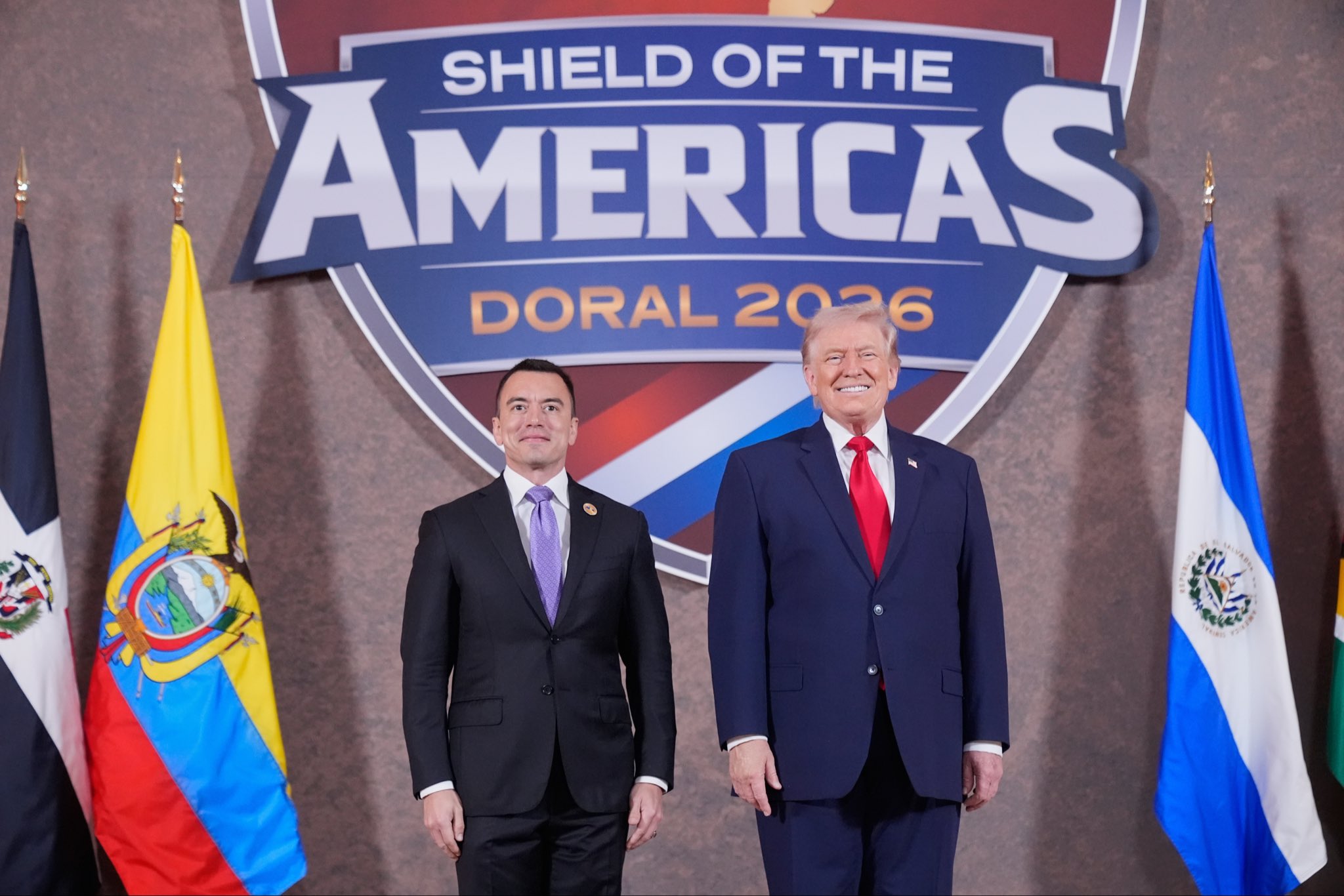
La política de seguridad de Daniel Noboa entró en una fase de reorientación estratégica. Lo que comenzó a finales de 2023 como el Plan Fénix —presentado como una respuesta integral frente al crimen organizado— evolucionó hacia una nueva etapa marcada por la cooperación militar con Estados Unidos y un alineamiento explícito con la doctrina hemisférica promovida por Donald Trump.
El eje del debate ya no se limita únicamente a la respuesta frente a la violencia interna; también se desplaza hacia el impacto de esta transformación sobre la institucionalidad ecuatoriana y su proyección regional.
Seguridad como eje
Desde que Daniel Noboa lanzó el Plan Fénix al asumir la presidencia, la seguridad se convirtió en el principio rector del gobierno. Se incrementaron impuestos y se eliminaron subsidios con el argumento de financiar la lucha contra el crimen organizado. Al mismo tiempo, se instauraron estados de excepción recurrentes y se amplió el rol de las Fuerzas Armadas en tareas de seguridad interna. La declaratoria de conflicto armado interno alteró el encuadre jurídico y político del problema.
La narrativa oficial reforzó esta orientación a través de una exposición constante de operativos, incautaciones y capturas de líderes criminales. La imagen proyectada fue la de un Estado decidido a enfrentar al narcotráfico. En términos políticos, la seguridad se convirtió en el eje transversal de la acción estatal.
Resultados y límites
Sin embargo, los resultados contrastan con el relato oficial. Según estadísticas de la Policía Nacional, 2025 cerró con 9.161 homicidios intencionales, la cifra más alta registrada en la historia del Ecuador. La tasa nacional superó los 50 homicidios por cada 100.000 habitantes y, en provincias como Los Ríos y El Oro, las tasas alcanzaron niveles comparables a los de los territorios más críticos del mundo.
Estos datos no deslegitiman la necesidad de actuar con firmeza, pero sí evidencian los límites de un enfoque centrado casi exclusivamente en la dimensión militar. La contención territorial puede generar efectos inmediatos, pero no necesariamente incide en las dinámicas estructurales del delito.
El narcotráfico en Ecuador forma parte de redes transnacionales que articulan producción en Colombia y Perú, logística portuaria en territorio ecuatoriano y distribución hacia Estados Unidos y Europa. En ese contexto, la presión militar sobre determinados nodos tiende a reconfigurar rutas más que a desarticular las estructuras de las organizaciones criminales.
La experiencia de Colombia y México evidencia que la militarización sostenida, si no viene acompañada del fortalecimiento judicial y de sistemas de inteligencia eficaces, suele derivar en ciclos prolongados de adaptación criminal.
Del Plan Fénix al Escudo hemisférico
En este contexto de alta exposición mediática y resultados limitados, el discurso gubernamental comenzó a reorientarse. El concepto de Plan Fénix fue perdiendo centralidad y dio paso a una “nueva fase” sustentada en una cooperación operativa más estrecha con Washington.
El giro se inscribe en la agenda hemisférica promovida por la administración de Donald Trump, que replantea la lucha contra los carteles como un desafío estratégico, y no solo policial. La creación del Escudo de las Américas —concebido como una coalición regional anticarteles con énfasis en coordinación militar y uso de fuerza letal— formaliza ese enfoque.
Al integrarse en esta iniciativa, Ecuador no se limita a buscar asistencia técnica o intercambio de inteligencia. Se proyecta como un actor alineado dentro de un esquema de seguridad continental que trasciende la coyuntura interna y reordena su inserción regional.
Frontera andina y reconfiguración regional
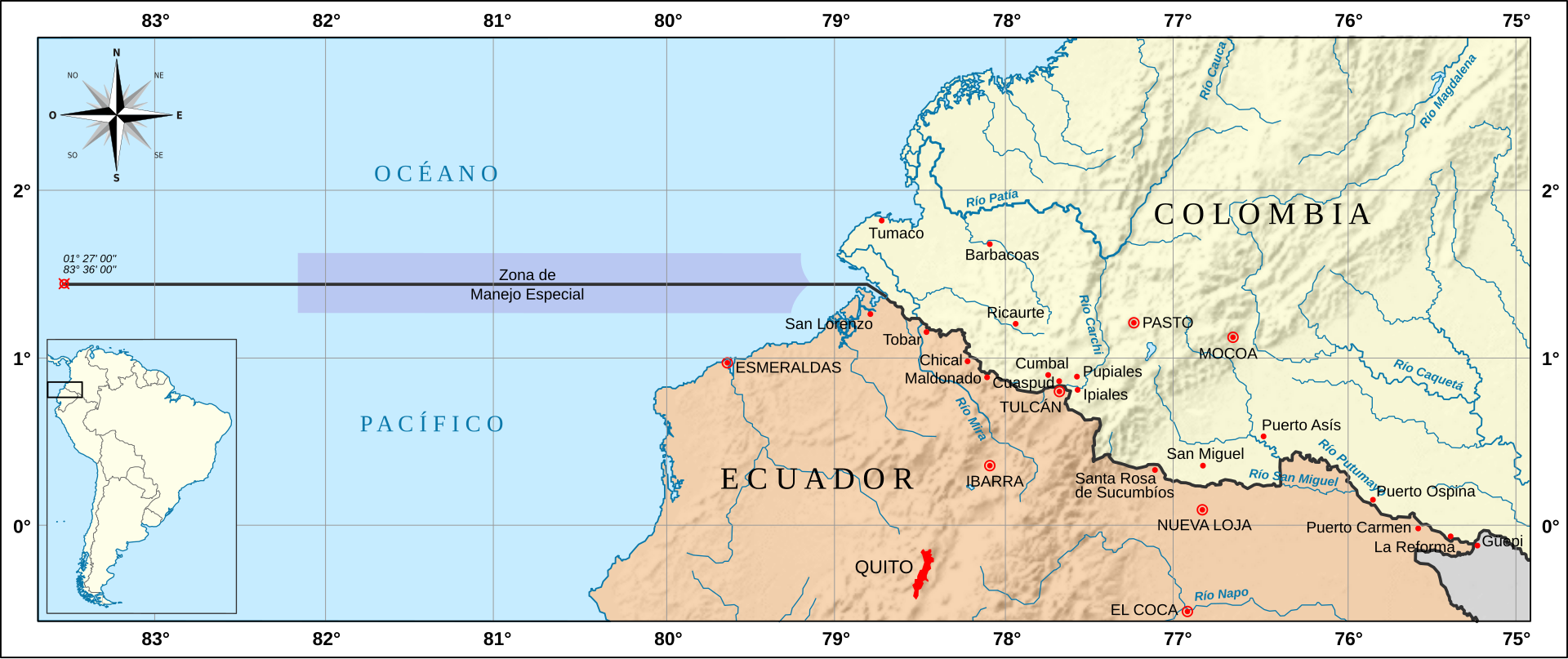
Las repercusiones en los países vecinos son inmediatas. El 4 de marzo, fuerzas de Ecuador y Estados Unidos ejecutaron en la frontera colombo-ecuatoriana una operación conjunta contra un campamento de los Comandos de la Frontera, grupo disidente de las FARC. Fue la primera operación pública de esta naturaleza entre ambos países y marcó un nuevo nivel de interacción militar en la zona.
La relación con Colombia ya atravesaba tensiones comerciales. En enero, Ecuador anunció la imposición de una “tasa de seguridad” a importaciones colombianas —inicialmente del 30 % y elevada posteriormente al 50 %— bajo el argumento de corresponsabilidad en la seguridad fronteriza. Bogotá adoptó medidas recíprocas, profundizando el diferendo bilateral.
Asimismo, la presión militar ejercida por los comandos combinados de Estados Unidos y Ecuador sobre corredores específicos del narcotráfico puede reconfigurar dinámicas territoriales y desplazar flujos ilícitos hacia nuevas rutas transfronterizas, alterando equilibrios regionales.
El narcotráfico opera como una red integrada; su contención exige cooperación sostenida y mecanismos estables de coordinación entre Estados.
Seguridad como instrumento geopolítico
Las implicaciones geopolíticas trascienden la frontera con Colombia. La expulsión de la delegación diplomática cubana en Quito y la participación activa del presidente en foros de seguridad promovidos por Washington deben interpretarse en un marco más amplio de alineamiento estratégico.
Bajo la doctrina Donroe, América Latina reaparece como espacio de influencia directa. La seguridad deja de ser exclusivamente una política de orden interno y pasa a insertarse en una lógica de competencia global por influencia, recursos estratégicos y control de rutas críticas en el hemisferio occidental.
En este contexto, la cooperación en la lucha contra el narcotráfico también funciona como mecanismo de posicionamiento geopolítico frente a la creciente presencia de China en la región. La seguridad se convierte así en un vector de inserción estratégica que excede la mera contención del crimen organizado y redefine el lugar del Ecuador en el equilibrio continental.
El dilema institucional
El núcleo del debate es institucional. La cooperación con Estados Unidos puede fortalecer capacidades tecnológicas, mejorar la inteligencia y aumentar la precisión operativa. También puede contribuir a interrumpir rutas marítimas irregulares y debilitar nodos logísticos estratégicos.
Sin embargo, sin una reforma judicial profunda, sin un sistema penitenciario funcional y sin inteligencia táctica y financiera robusta, la acción militar corre el riesgo de convertirse en un sustituto permanente de la capacidad estatal.
Ecuador enfrenta una amenaza estructural y persistente. La cooperación bilateral abre oportunidades, pero también reajusta su posicionamiento regional y el equilibrio interno de poder. En última instancia, el desafío no es solo derrotar a las organizaciones criminales, sino hacerlo preservando el equilibrio democrático que sostiene la legitimidad del Estado.
Las opiniones expresadas en esta publicación son responsabilidad exclusiva de sus autores y no reflejan necesariamente la posición institucional de Diálogo Político ni de la Fundación Konrad Adenauer.
Profesor de la Escuela de Estudios Internacionales de la Universidad del Azuay y exgobernador de la provincia del Azuay. Máster en Estudios Latinoamericanos por la Universidad de Salamanca.
Cuba colapsa y negocia. ¿El fin de la vaca sagrada de la izquierda?
Dos meses después de la salida de Nicolás Maduro, la suspensión de los envíos de petróleo por parte de Venezuela, México y Rusia, y la imposibilidad de asistencia por otros regímenes como Irán o China, la dictadura más antigua de América anunció que negociará con Estados Unidos para flexibilizar el aislamiento energético. ¿Qué significa para Occidente?
Artículo original en español. Traducción realizada por inteligencia artificial.
🎧 Escuchar este artículo
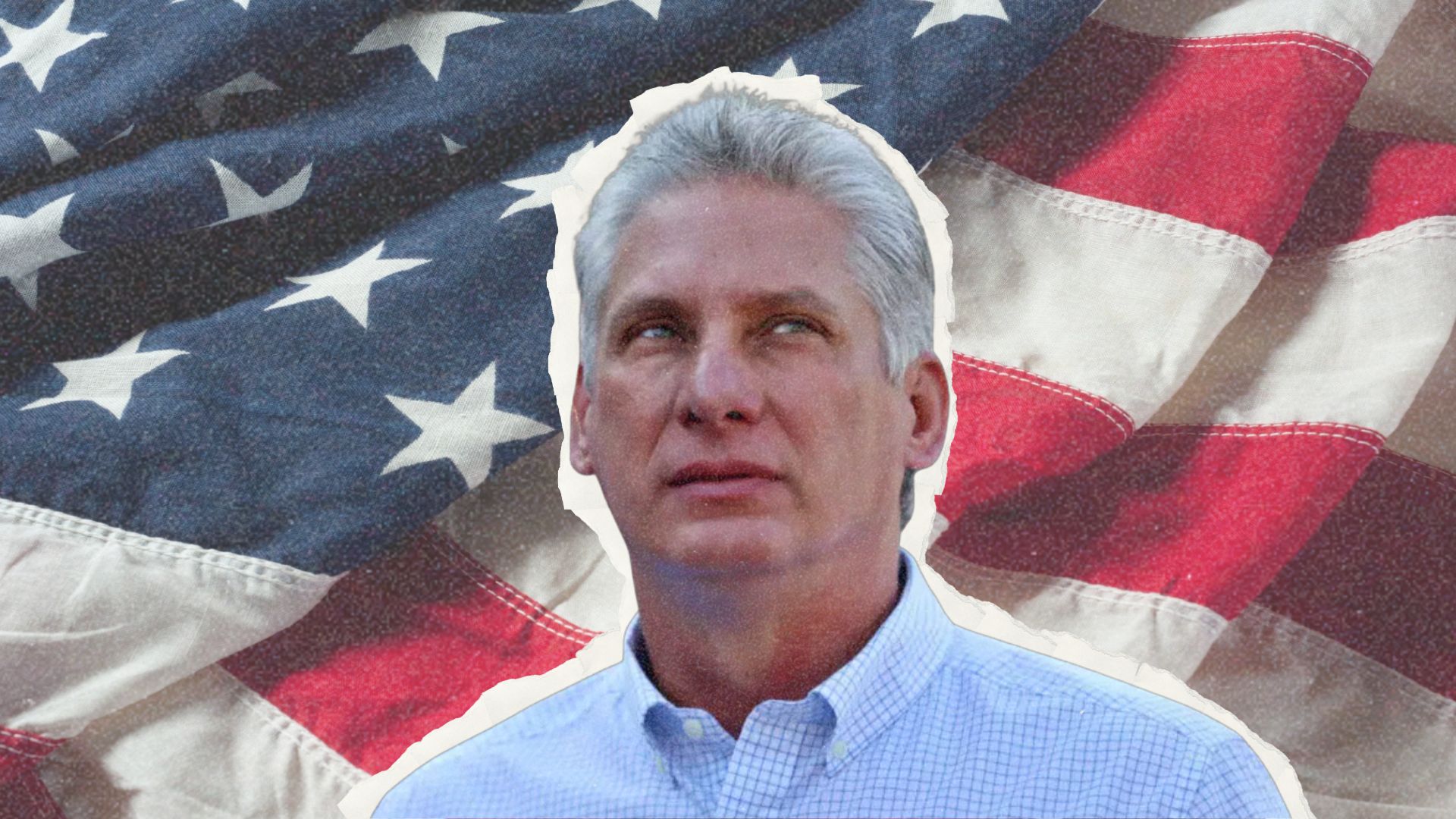
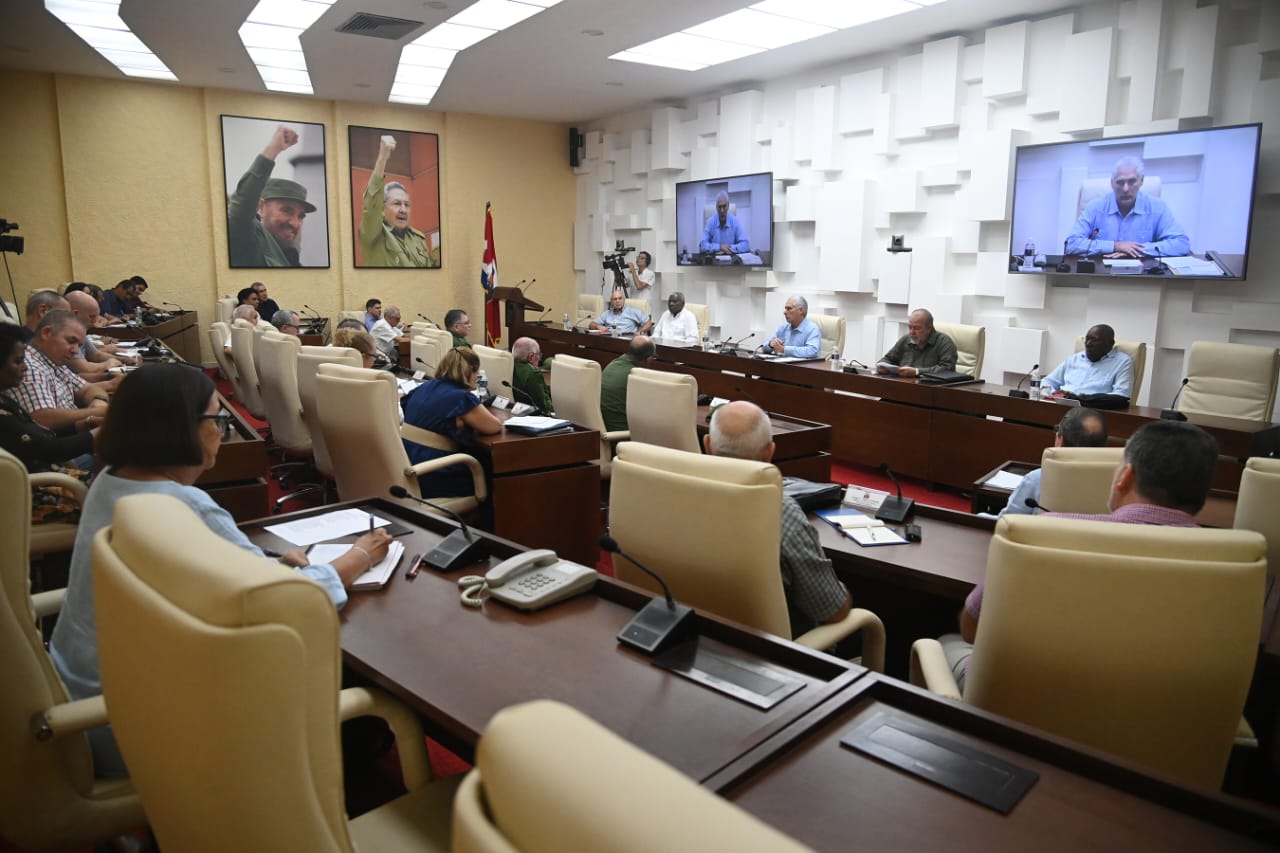
El silencio del Estado cubano sobre los contactos con sus homólogos en Estados Unidos terminó el 13 de marzo a primera hora de la mañana. El presidente del régimen, Miguel Díaz-Canel, confirmó lo que la prensa y el gobierno de Donald Trump venían comentando abiertamente semanas atrás: el gobierno cubano negocia con la Casa Blanca para llegar a un acuerdo que le permita salir del bloqueo petrolero. Este hito en las relaciones de ambos países, desde 1959 a la fecha, impulsa tres preguntas: ¿acordar qué?, ¿qué significa esto?, ¿cuánto cambia en la región?
En concreto, Díaz-Canel dijo que estos contactos buscan: “Identificar cuáles son los problemas bilaterales que necesitan una solución y cuál es la solución”; “determinar la disposición de ambas partes de concretar acciones en beneficio de los pueblos de ambos países”; “identificar áreas de cooperación para enfrentar las amenazas y garantizar la paz y seguridad de ambas naciones” y “de la región de América Latina y el Caribe”. Por su lado, el gobierno de Donald Trump, que ha encargado al secretario de Estado Marco Rubio este tema, mantiene una línea discursiva desde hace meses indicando que en Cuba habrán cambios y que es un Estado fallido.
Miguel Díaz Canel anuncia negociaciones con EEUU en conferencia de prensa. Foto: X PCC
El nuevo deshielo
¿Es la primera vez que hay una acción de alta tensión entre ambos países? No. ¿Es primera vez que existe un deshielo (aun prematuro) de las relaciones? Tampoco. ¿Cuál es, entonces, la particularidad de este hecho? El contexto. Cuba llega a este escenario minada por la escasez de aliados internacionales y la pérdida desde el 3 de enero de su principal benefactor: el régimen de Venezuela. Con el bloqueo naval a los envíos petroleros, que antes recibía continuamente desde Venezuela, Rusia y México, Cuba desciende en el pedestal de la geopolítica. Difícilmente ascienda a la prioridad de otros aliados autoritarios que están en situaciones iguales o peores, como Rusia, Irán, o, en un ámbito diferente y ocupada de otros asuntos como China.
¿Qué se busca negociar? Donald Trump ha sido enfático en que las cosas en la isla deben cambiar y para acelerar el proceso cercó el mar territorial cubano. Las aerolíneas siguieron funcionando, aunque la escasez de combustible redujo su operativa al máximo. El Papa León XIV fue una de las voces globales que solicitó un diálogo sincero y eficaz. En consecuencia, La Habana anunció la liberación de 51 de un total de 1214 presos políticos el 5 de marzo de 2026.
Algunos escenarios se abren. En los tres la coincidencia es la aparición de Alejandro Castro Espín, hijo de Raul Castro y coordinador del Consejo de Defensa y Seguridad Nacional. La figura de Castro Espín concita diversas especulaciones sobre la posibilidad de un gobierno cubano más abierto, sin Díaz-Canel, el sucesor de Raúl Castro en 2021. Algunos analistas hablan de las siguientes posibilidades: transición pactada desde arriba (salida negociada); colapso controlado y transición desde abajo; y endurecimiento autoritario y transición postergada.
La vaca sagrada de la izquierda
Además de ser la isla más poblada y de mayor proporción territorial en el Caribe, Cuba es un ícono del comunismo global y la vaca sagrada de la izquierda progresista occidental. El régimen cubano tiene adeptos en todo el mundo, principalmente en América y Europa. Cierto que cada vez menos, porque su debacle como modelo ha sido notorio.
De igual forma, Latinoamérica dio un giro. Ahora, con más gobiernos ubicados hacia la derecha, salvo las potencias de México y Brasil, el resto está en una posición de regular a muy alineados con la nueva política de los Estados Unidos. El colapso económico, empujado por el bloqueo del suministro de petróleo, ha visibilizado la vulnerabilidad del sistema cubano y la nula posibilidad de hacer frente a su enemigo de todas las horas, con el que construyó una narrativa influyente en la política, la cultura y la academia.
La revolución cubana como modelo no hubiera sido posible sin la asistencia internacional de sus principales patrocinadores.
Un sistema económico disfuncional
En su ascenso al poder en 1959, el movimiento liderado por Fidel Castro se declaró como nacionalista y popular, no como comunista. Esto sucedió después. Su giro explícito al socialismo ocurrió en abril de 1961, poco antes de la fallida invasión de Bahía de Cochinos. Rápidamente se digitó una alianza con la Unión Soviética. Esto permitió acceso a recursos, petróleo, importaciones de bienes, donaciones y una cooperación clave para la URSS por su ubicación estratégica frente a EEUU.
Con la caída del Muro de Berlín y el posterior colapso soviético, el periodo especial (1990-2000) mostró la cara más dura de un sistema económico disfuncional. El entramado de partido único, al igual que otras experiencias comunistas, solidificó un sistema piramidal de élites donde los que están más arriba tienen acceso a mayores y mejores bienes y servicios. En esa década, el Maleconazo de 1994, una serie de protestas contra las precarias condiciones humanitarias de la isla, evidenció el descontento social y la represión. No fue hasta el año 2000, con el ascenso de Hugo Chávez en Venezuela, que Cuba encontró un nuevo aliado con ingentes recursos petroleros. Esto catapultó nuevamente la influencia de la isla en la región enquistándose en el gobierno venezolano hasta el punto de controlar la guardia presidencial.
Impacto en la democracia latinoamericana
Este modelo estatista, restrictivo, militarista, autoritario y profundamente dependiente de la asistencia internacional, no fue impedimento para una idealización por parte de la izquierda desde los 90 hasta la actualidad. Si bien hubo divisiones de diverso tipo, con disidentes internos y externos duramente perseguidos y criticados, La Habana mantuvo la coherencia de propagandear libertad y una apertura de la que no gozaban sus ciudadanos.
Cuba estuvo involucrada en varios atentados contra gobiernos democráticos. Sin embargo, persistió en la retórica de faro democrático aun cuando en la práctica un actor político serio no podría dejar de evidenciar el carácter restrictivo y dictatorial.
Años 60: exportación de la revolución en América. Tras 1959, Cuba impulsó guerrillas y complots en varios países latinoamericanos, buscando derrocar gobiernos proestadounidenses (incluso algunos elegidos democráticamente) mediante la acción armada. Entrenó y armó a miles de insurgentes, movimientos y partidos de toda la región, lo que motivó rápidas condenas y sanciones de la OEA.
Años 70: intervenciones militares con apoyo soviético. Cuba proyectó su influencia global aliándose con la URSS: desplegó tropas en África (Angola, 1975) y siguió apoyando a guerrillas latinoamericanas (Nicaragua, El Salvador). Alimentó la conflagración de la Guerra Fría en terceros países.
Años 80 y 90: conflictos en Centroamérica y apoyo a terrorismos. En los 80, Cuba fue un pilar de insurgencias centroamericanas, unificando grupos armados (FMLN en El Salvador) y brindando refugio a organizaciones insurgentes de diversas latitudes (FARC, ELN, ETA, M-19, Panteras Negras, etc.). Estas acciones acarrearon la persistente designación de Cuba como “Estado patrocinador del terrorismo” por EEUU (desde 1982).
Siglo XXI: legado y controversias. El legado de sus acciones encubiertas perdura en el panorama diplomático. Cuba ha servido de mediadora en conflictos (proceso de paz colombiano), pero también enfrenta señalamientos de injerencia en países como Venezuela, con intervención en el sistema policial y militar, y de seguir albergando a fugitivos y guerrilleros.
El desmoronamiento de un símbolo
Varias generaciones de occidentales crecieron sabiendo que muy cerca de la Florida, en la costa sur de EE.UU., una dictadura socialista ofrece un relato de resistencia antiimperialista y de llamado a la sublevación de los pueblos libres del mundo, so pena de condenar al suyo a un régimen de partido único donde las libertades se encuentran clausuradas desde 1959. Esta narrativa, todavía atractiva para una parte del espectro político, es la que ha perdido densidad. Ahora se somete al escrutinio de la historia cuando el régimen, sucesor de los míticos Castro, anuncia que, en un contexto de debilidad y crisis, accedió a negociar con EE.UU.
De lo que ocurra de esa serie de contactos se desprenderá el desmoronamiento del principal símbolo ideológico de buena parte de la izquierda progresista. Más especialmente de los partidos comunistas del mundo. Sin fundamento real, aún abrazan la idea de que Cuba ha representado las aspiraciones democráticas de un pueblo que, en cambio, ha optado por el exilio y la protesta.
Doctor en ciencia política, magíster en estudios políticos y periodista. Profesor de la Universidad Católica del Uruguay y de la Universidad de Las Américas de Ecuador. Coordinador de proyectos en la Fundación Konrad Adenauer en Uruguay, y editor de Diálogo Político.
De los likes a los votos: influencers en el Congreso colombiano
De TikTok, YouTube e Instagram, candidatos pasaron a las listas de los partidos en las elecciones legislativas de Colombia. El fenómeno plantea nuevas preguntas sobre representación política, liderazgo y el impacto de las redes sociales en la democracia.
Artículo original en español. Traducción realizada por inteligencia artificial.
🎧 Escuchar este artículo
Nombres como ‘Pechy Player’, ‘Señor Biter’, ‘Lalis’ o ‘El Comandante por la verdad’ pasaron de las redes sociales a pasacalles y carteles de campaña al Congreso colombiano. Se trata de los influencers que buscaron convertir sus likes en votos para el Senado en las elecciones del domingo pasado.
Cada partido, incluyendo a los tradicionales liberal y conservador, incluyó creadores de contenido en sus listas. La fórmula funcionó para muchos de ellos. De los aproximadamente 20 candidatos influencers, siete lograron llegar al Senado y otros cinco a la Cámara de Representantes. Por lo que, de los 286 puestos electos (103 escaños para el Senado de la República y 183 para la Cámara de Representantes ),12 son influenciadores.
El nuevo Congreso quedó conformado por una mezcla de políticos tradicionales, figuras emergentes y creadores de contenido que durante años construyeron audienciasen YouTube, TikTok o Instagram. Aunque el Pacto Histórico y el Centro Democrático tuvieron listas cerradas, incluyeron a estos influencers. En el caso del partido de gobierno, estos habían sido elegidos en una votación interna en 2025. Al margen, el Pacto Histórico fue el gran ganador en el Senado, pero ningún partido de manera independiente logró una mayoría absoluta.
La multiplicación de los creadores de contenidos
Aunque muchos de los que se lanzaron no lograron llegar al Congreso, el número de candidatos influencers aumentó frente a las elecciones de 2022. Ese año irrumpió con fuerza el fenómeno con la elección de Jonathan Ferney Pulido Hernández, conocido como Jota Pe Hernández, youtuber político que obtuvo la votación más alta de su partido, la Alianza Verde con 189.291 votos. Sus videos —en los que criticaba el clientelismo y comentaba la coyuntura política— se convirtieron en su principal plataforma electoral.
En ese mismo Congreso también llegaron figuras con fuerte presencia digital como María Fernanda Carrascal, Catherine Juvinao, Ariel Ávila o Susana Boreal, que, aunque tenían trayectorias distintas, también utilizaron las redes sociales como herramienta central de comunicación política.
Cuatro años después, el fenómeno se amplificó.
Influencers: ¿outsiders o políticos con redes?
Una de las primeras dificultades para analizar este fenómeno es que no todos los llamados influencers son iguales.
El profesor Juan Pablo Milanese, de la Universidad Icesi, propone distinguir entre dos categorías. Por un lado, están quienes ya tenían trayectoria política o académica y usaron las redes sociales como plataforma para amplificar sus ideas. Por otro, los creadores de contenido que construyeron su notoriedad en las redes sociales y luego decidieron saltar directamente a la arena electoral.
Esa diferencia es clave porque explica por qué algunos lograron traducir su presencia digital en capital político mientras otros no. “El influencer busca el like, que muchas veces se consigue con el escándalo o cruzando el umbral del ridículo. Eso no siempre se traduce en deliberación política”, advierte Milanese.
En realidad, el uso de figuras populares para atraer votantes no es nuevo. Décadas atrás los partidos incluían deportistas, artistas o presentadores de televisión en sus listas. La diferencia ahora es que la arena donde se construye esa notoriedad es digital.
Las redes sociales permiten construir comunidades políticas en tiempo real y sin intermediarios. Pero también premian los mensajes emocionales, el enfrentamiento y la viralidad. En ese sentido, también llama la atención el tipo de influencers que logró un escaño. Son figuras que a través de mensajes emocionales realizaron control al gobierno Petro o a gobiernos locales. En otros casos, como la lista de creadores de contenido del Pacto Histórico, defendieron la labor del presidente durante estos años.
El control al poder
Uno de los casos más llamativos es el de Luis Carlos Rúa Sánchez, conocido como El Elefante Blanco. Durante años recorrió el país denunciando obras públicas inconclusas mientras vestía un disfraz de elefante, símbolo del despilfarro estatal. Esa estrategia de veeduría digital le permitió construir una audiencia amplia que terminó traduciéndose en más de 120.000 votos.
A la historia del Elefante blanco se le suma la de Daniel Briceño, miembro del Centro Democrático, quien ganó su curul a la Cámara de Representantes de Bogotá con 262 mil votos, luego de ser concejal. Fue el congresista más votado, incluyendo a los candidatos al Senado. Briceño se convirtió en la red social X en un influenciador que denunciaba sobre contratación y clientelismo en el gobierno de Gustavo Petro.
¿Qué significa esto para la democracia?
La llegada de influencers al Congreso no es, en sí misma, una anomalía institucional. En Colombia, para ser congresista basta con ser ciudadano colombiano y cumplir una edad mínima. El sistema representativo parte de la idea de que cualquier sector de la sociedad puede llegar al poder político.
Sin embargo, el fenómeno plantea varios desafíos. Uno de ellos es la curva de aprendizaje legislativo. Según Beatriz Gil, directora de Congreso Visible de la Universidad de los Andes, muchos congresistas primerizos —no solo influencers— llegan con entusiasmo y numerosas iniciativas, pero deben aprender rápidamente cómo funcionan los procedimientos internos, los tiempos legislativos y las dinámicas de negociación política.
En ese proceso, la conformación de las Unidades de Trabajo Legislativo (UTL) se vuelve crucial. Un buen equipo de asesores puede orientar al congresista sobre la viabilidad de un proyecto de ley, las estrategias para construir apoyos o los canales institucionales adecuados para resolver un problema público.
Pero el fenómeno también plantea preguntas sobre la calidad del liderazgo político. Para María Auxiliadora González Malabet, investigadora de Valor Público y profesora de la Universidad EAFIT, es importante distinguir entre visibilidad y liderazgo político. “Los influencers son líderes de opinión, pero eso no necesariamente se traduce en liderazgo para ejercer un cargo público”, señala.
Según la académica, el auge de estas candidaturas está relacionado con la polarización política, la desinformación y el debilitamiento de los partidos. En ese contexto, cualquier voz que se perciba como disruptiva o antiestablecimiento puede convertirse rápidamente en referente para amplios sectores del electorado. El riesgo, advierte, es que algunos lleguen a cargos de representación sin la preparación suficiente para el ejercicio legislativo.
¿Ocurre solo en Colombia?
Aunque el uso político de las redes sociales y el poder de los influencers en la política es global, el salto de estos directamente a cargos de elección popular es particularmente visible en Colombia.
Para Milanese, una de las razones es la debilidad organizativa de los partidos políticos. En contextos donde las estructuras partidistas son frágiles, los partidos buscan candidatos con visibilidad pública que puedan atraer votos o amplificar sus listas.
Además, la alta penetración de internet y teléfonos móviles en el país ha cambiado la forma en la que muchos ciudadanos se informan, incluyendo los temas de política. Para una parte creciente del electorado —especialmente jóvenes— las redes sociales son la principal fuente de información política.
El fenómeno, sin embargo, no se replica de la misma manera en otros países de la región. En Argentina o Brasil existen influencers políticos que apoyan campañas o gobiernos, pero rara vez ocupan cargos legislativos.
Un caso reciente en América Latina es el de Robert Johsan Barrantes Camacho, conocido como Robert Junior, influencer y productor audiovisual que fue electo diputado en Costa Rica en 2026 por el partido Pueblo Soberano, convirtiéndose en el primer legislador influencer del país.
El ejemplo sugiere que la tendencia podría expandirse, pero Colombia sigue siendo uno de los países donde el fenómeno ha alcanzado mayor escala.
Periodista colombiana. Directora de Colombiacheck. Ha trabajado como editora del diario «El País» de Cali. Becaria del programa Balboa en «El País» de España.
La nueva geopolítica del Caribe bajo la estrategia Rubio
Como parte del hemisferio occidental, el Caribe es un espacio prioritario para EEUU, que recupera la influencia sobre el territorio hasta hace poco controlado por los regímenes autoritarios de la zona.
Artículo original en español. Traducción realizada por inteligencia artificial.
🎧 Escuchar este artículo
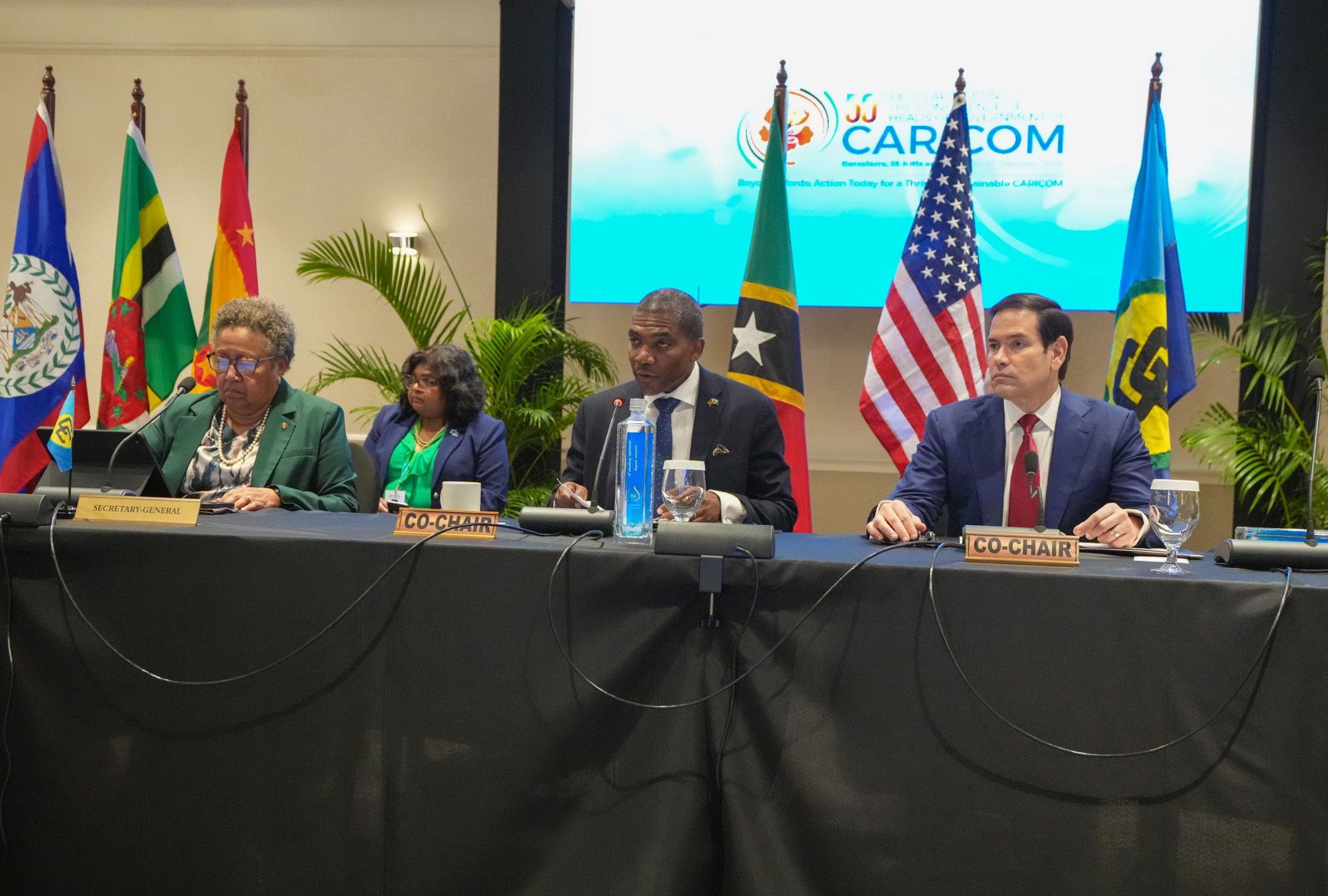
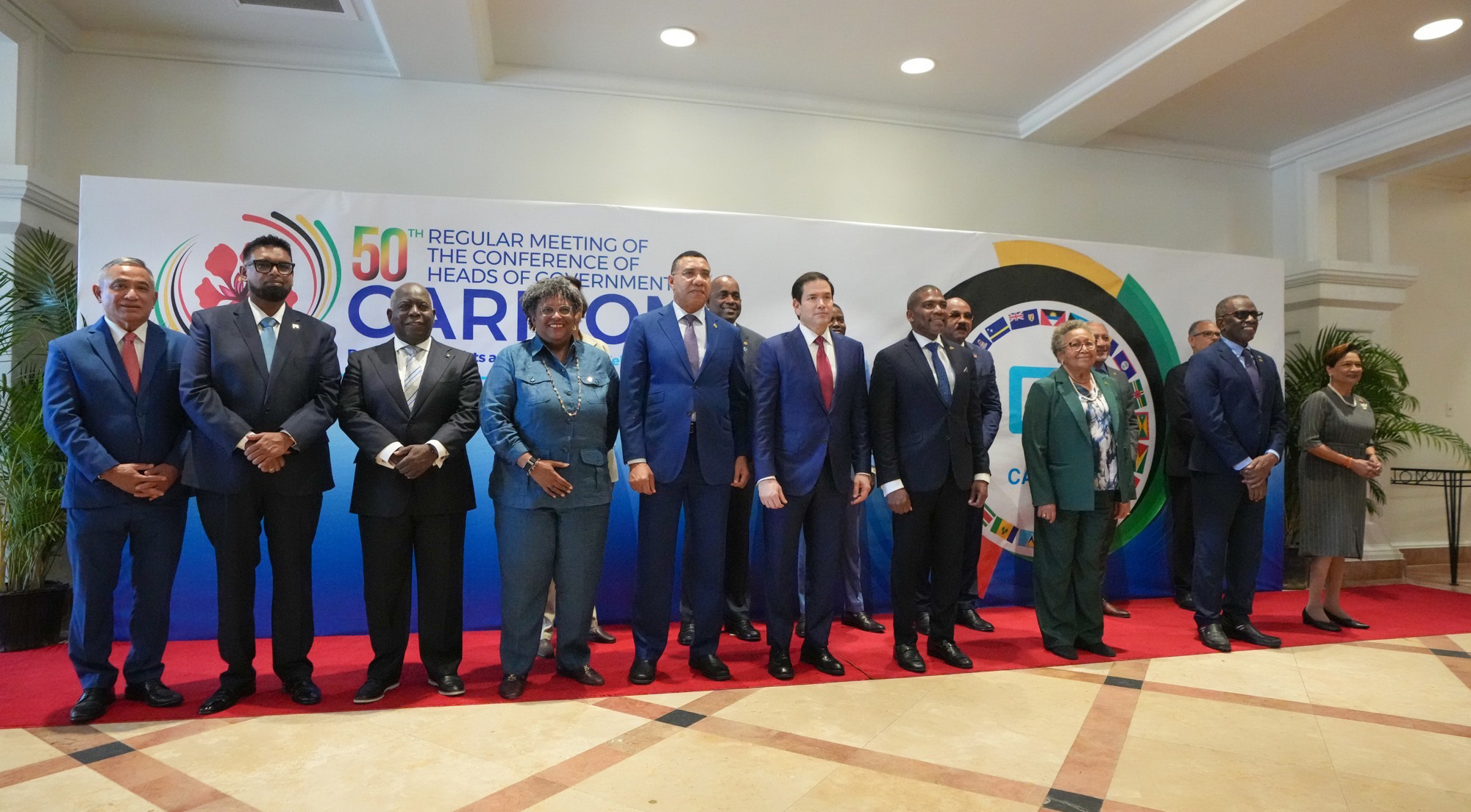
La última cumbre anual de la Comunidad del Caribe (Caricom) se celebró en un complejo turístico de la isla San Cristóbal y Nieves el pasado febrero. La presencia del secretario de Estado de los Estados Unidos, Marco Rubio, revistió de importancia el encuentro. Además, la Casa Blanca afirmó la jerarquía que la actual administración le da a la región. También expresó su voluntad de ejercer un papel preponderante e indisputado en la cuenca del Caribe y de transformar, sin titubeos, la geopolítica de esa región.
No es casual que la primera visita al extranjero realizada por el secretario Rubio (tras ser elegido el primer hispano en dirigir las relaciones exteriores de EEUU) haya sido a Panamá. Con este viaje se manifestó el propósito explícito de Washington de recuperar el control de un canal transoceánico construido por los estadounidenses. Sin embargo, ese canal ya prácticamente se encontraba en manos de China.
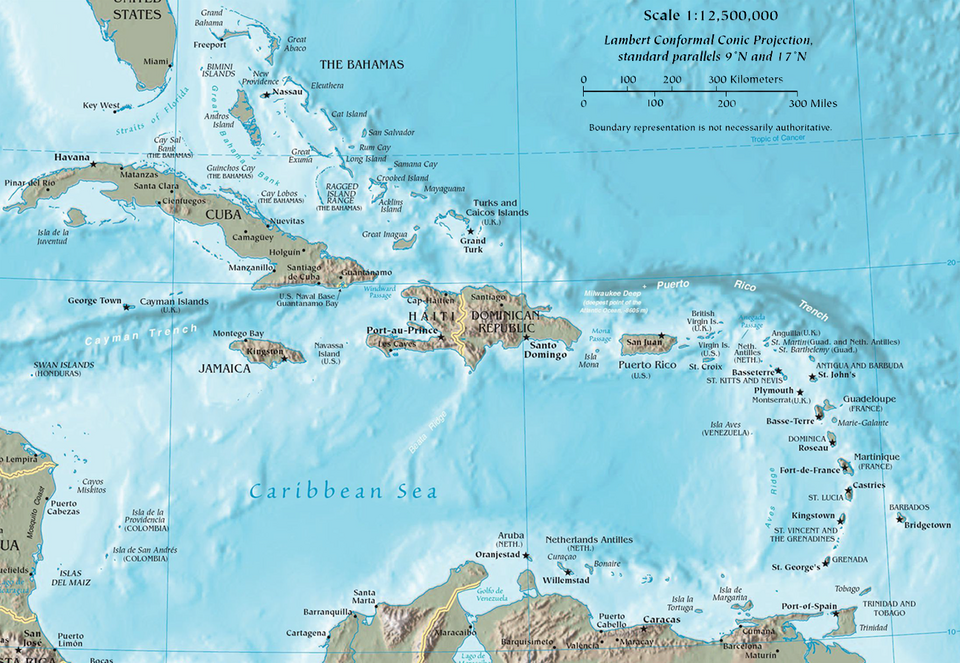
Fuente: Wikipedia
El despliegue aeronaval que los norteamericanos ejecutan en el Caribe desde el año pasado (el mayor del presente siglo y paso fundamental para la extracción del dictador Nicolás Maduro el pasado 3 de enero) confirma la importancia crucial que EEUU le otorga al Caribe bajo la presente administración. Por esto, es una presencia que refuerza la Iniciativa de Seguridad de la Cuenca del Caribe ante países como República Dominicana y Jamaica. Se manifiesta en la plena cooperación militar que Trinidad y Tobago le brinda con sus bases a Washington. Igualmente, se afianza con el posicionamiento geoestratégico y energético ejercido por los EEUU en Guyana.
El tutelaje sobre la transición venezolana, la creciente presión sobre la Cuba castrista con la restricción naval y los reiterados ataques letales a embarcaciones presuntamente narcotraficantes, afirman que la segunda administración del presidente Donald Trump no bromea con este asunto.
Pero ¿en qué consiste la política hemisférica y caribeña del actual gobierno de EEUU? ¿Qué nuevas pistas se desprenden del reciente discurso de Rubio ante el Caricom?
Ejes para la cooperación regional
Washington propone a los países del Caribe reforzar la cooperación para afrontar los retos comunes y aprovechar las oportunidades compartidas. Además, en su discurso ante el CARICOM, Rubio afirmó que, al haber nacido y crecido en la Florida, siente el Caribe como su hogar. Luego, señaló que el hemisferio occidental ha vuelto a ser la prioridad en la política exterior de EEUU. Además, añadió que esa política dejó de estar “anclada en ortodoxias obsoletas”.
En cuanto a los retos, para EEUU el crimen organizado trasnacional es la principal amenaza que enfrenta la región en estos momentos. La administración Trump designó a tales entidades como “organizaciones terroristas extranjeras”. Tampoco ha dudado en capturar a “individuos que los han apoyado” (en clara referencia a Nicolás Maduro).
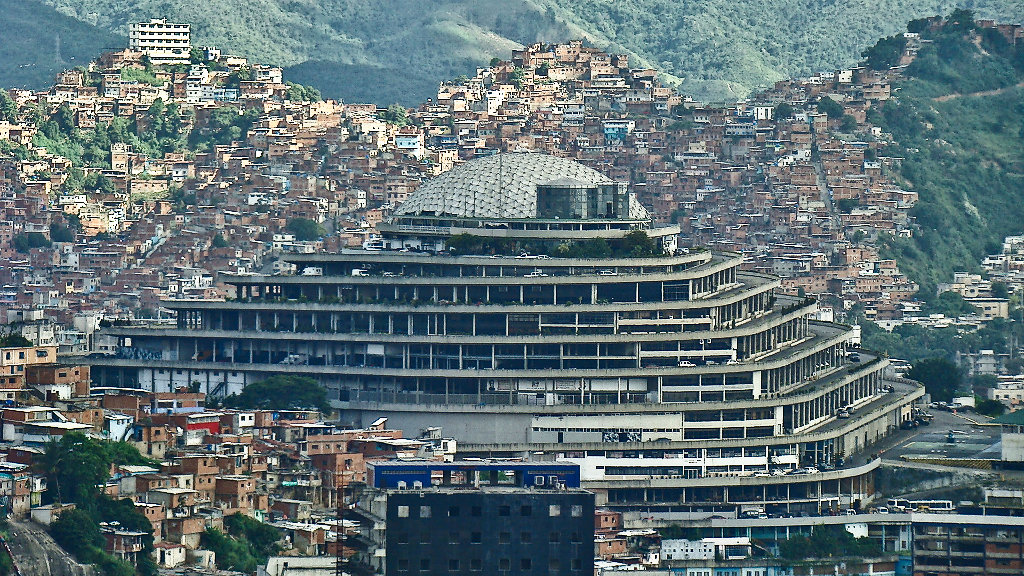
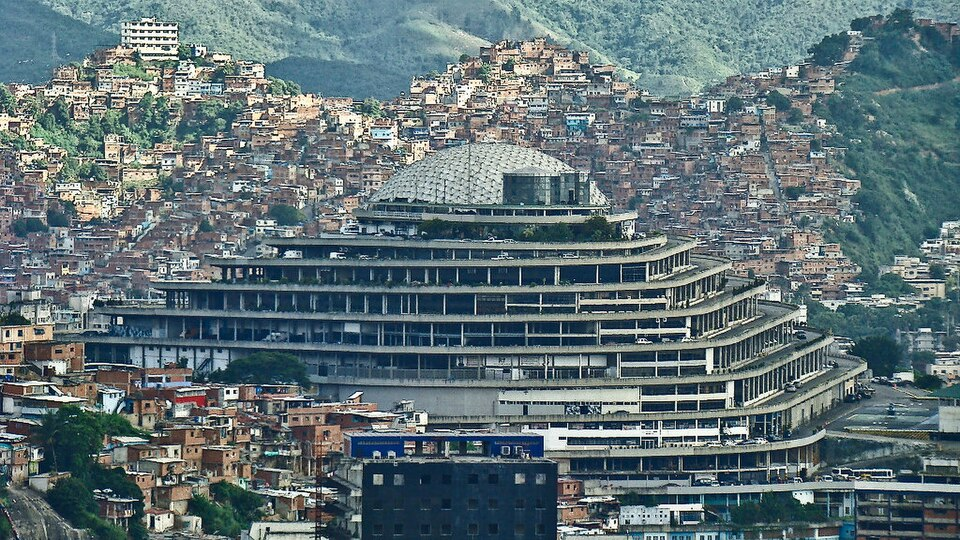
Tras comentar su preocupación por México (y aunque allí acaban de abatir a Nemesio Oseguera Cervantes, alias “el Mencho”, líder del Cartel Jalisco Nueva Generación), Rubio dedicó buena parte de su tiempo a comentar la política estadounidense hacia Venezuela. “Sin disculpas ni aprensión alguna”, afirmó que Venezuela está hoy mejor que hace ocho semanas (cuando se produjo la extracción de Maduro). Además, resaltó que sin la intervención de EEUU no se hubieran producido liberaciones de centenares de presos políticos o el cierre del Helicoide, principal centro de torturas del país.
Venezuela: el plan de tres fases
Rubio manifestó la aspiración de que Venezuela sea gobernada por un “gobierno legítimo”. Además, señaló que “también podría ser un socio y activo extraordinario para muchos de los países representados aquí en términos de necesidades energéticas y similares, y también una fuente menos de inestabilidad en la región”. Pero esto compete a la última etapa de un plan de tres fases que antes contempla la estabilización del país. Como primer paso, antes de iniciar la recuperación de la infraestructura económica básica, se busca evitar el caos de la violencia y una mayor crisis migratoria.
En resumen, el secretario Rubio le manifestó a los países del Caribe que el plan de EEUU para Venezuela constituye la piedra angular de su política regional. Con ella, esperan conjurar las principales amenazas comunes y consolidar la seguridad energética de una cuenca que también integran (según refirió) varios estados del sur de la Unión americana. Para Rubio no se trata solamente de una convicción personal que, de paso, abriría las puertas del cambio en la Cuba de sus padres. Además, se trata también de un paso fundamental dentro de una fulgurante carrera política: el sueño de la presidencia de EEUU.
Marco Rubio con los socios del Caricom. Foto: X
Marco Rubio: el hijo del bartender
Los padres de Marco Rubio nacieron en Cuba y llegaron a la Florida en 1956, antes de la revolución castrista. El abuelo materno, Pedro Víctor García, descendía de inmigrantes murcianos y le habría inculcado desde niño el amor por el sueño americano. Además, le transmitió su profundo rechazo al comunismo que terminó privando de libertad durante décadas a la isla. Sus padres desempeñaron los oficios más humildes al llegar a EEUU. Ella como empleada doméstica, mientras que él trabajó de barman en varios hoteles.
El matrimonio tuvo cuatro hijos, de los cuales Marco es el tercero. Se graduó en Ciencias Políticas por la Universidad de Florida (1993) y es Juris Doctorcum laude por la Universidad de Miami (1996). Se casó con Jeanette Dousdebes, hija de colombianos, y tienen cuatro hijos. En 1998 fue Comisionado de West Miami. Durante ocho años (2000-2008) fue miembro de la Cámara de Representantes de la Florida. Además, llegó a ser su primer speaker hispano, y por espacio de dos años.
El Tea Party lo catapultó como senador por Florida en 2010, 2016 y 2022. Destacó en los comités de Inteligencia y Relaciones Exteriores. Adversó siempre los regímenes castrista y chavista, consolidando así una base natural de votantes en su Miami natal.
Al no ser precisamente un favorito del grupo MAGA, muchos le auguraban pocos meses en su posición actual, pero la realidad ha sido otra. Se le asignaron tres cargos adicionales de forma interina y simultánea. En febrero de 2025 se convirtió en Administrador de USAID y Archivero de EEUU. Y en mayo del mismo año se le designó como Asesor de Seguridad Nacional. Es el Secretario de Estado con más atribuciones desde Henry Kissinger y dirige un giro profundo en la política exterior de EEUU.
Profesor de Estudios Políticos. Consultor y analista para diversas organizaciones. Doctor en Conflicto Político y Procesos de Pacificación por la Universidad Complutense de Madrid
Conflicto entre Ecuador y Colombia: la trumperización de la diplomacia latinoamericana
La guerra comercial entre Ecuador y Colombia traslada un conflicto diplomático al terreno comercial y reproduce la estrategia, muy cuestionada, de usar aranceles para resolver problemas políticos.
Artículo original en español. Traducción realizada por inteligencia artificial.
🎧 Escuchar este artículo
El reciente conflicto político entre Ecuador y Colombia abrió una señal preocupante para la región. Ambos gobiernos decidieron aplicar aranceles al comercio bilateral y otras barreras como respuesta a un enfrentamiento diplomático. No se trata solo de una disputa puntual entre dos países vecinos. Lo inquietante es el método elegido para gestionarla: una muestra de trumperización en la forma de abordar el conflicto.
Durante décadas, América Latina intentó construir una idea relativamente clara sobre cómo tramitar sus diferencias. Los desacuerdos políticos o diplomáticos podían ser duros, pero existía cierta separación entre la confrontación política y el comercio. Las tensiones se discutían en el plano diplomático, mientras el intercambio económico procuraba mantenerse relativamente protegido de esas disputas. Esa lógica es la que empieza a erosionarse.
Cambio de paradigma
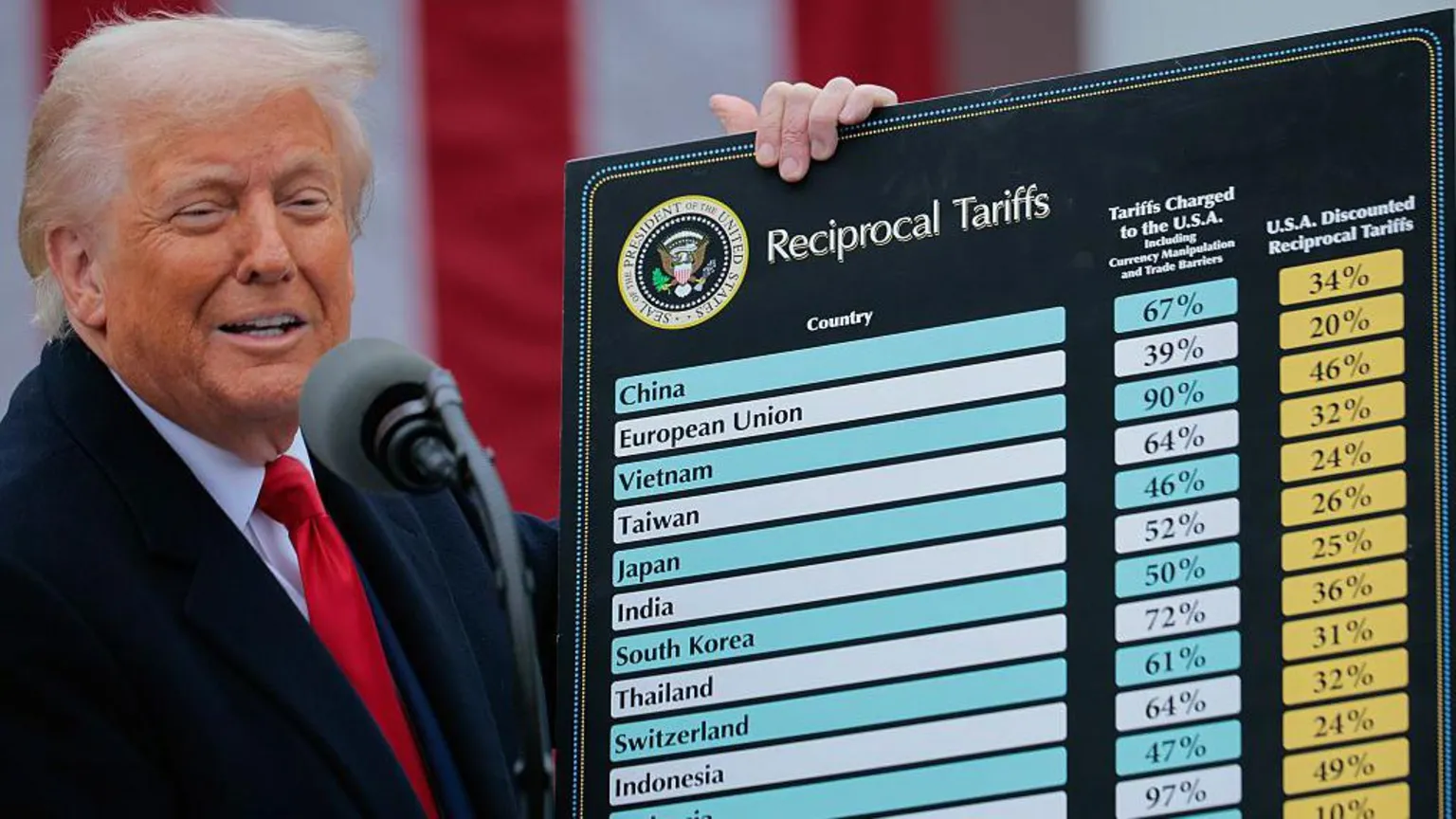
La decisión de utilizar aranceles o barreras comerciales como herramienta de presión política recuerda al estilo que se volvió habitual en esta segunda presidencia de Donald Trump en Estados Unidos. Trump convirtió al comercio en un instrumento directo de confrontación política. Los aranceles dejaron de ser una herramienta de política comercial para transformarse en un arma de negociación frente a aliados y adversarios por igual.
En América Latina esa estrategia generó fuertes críticas, especialmente desde sectores políticos que veían en ese enfoque una forma de unilateralismo agresivo que dañaba el comercio internacional y debilitaba las reglas multilaterales. Sin embargo, lo que antes se denunciaba como un problema empieza ahora a normalizarse en la región.
Aranceles de izquierda y de derecha
El caso entre Ecuador y Colombia lo ilustra con claridad. El presidente ecuatoriano, Daniel Noboa, decidió aplicar aranceles en medio del conflicto diplomático. Noboa sostuvo que la decisión se vinculaba con reclamos de seguridad en la frontera con Colombia. Argumentó que existía una cooperación insuficiente por parte del gobierno colombiano para enfrentar problemas que afectan la zona fronteriza. Entre ellos, el narcotráfico, la presencia de grupos armados, el contrabando y distintos episodios de violencia que impactan en la seguridad del lado ecuatoriano.
Su alineamiento político con Trump y con ciertas corrientes de la nueva derecha global puede ayudar a explicar esa decisión. En ese marco, el comercio se concibe abiertamente como una herramienta de presión política.
Pero el movimiento del gobierno colombiano introduce una pregunta más incómoda. El presidente Gustavo Petro, proveniente de la izquierda latinoamericana, respondió con la misma lógica. Es decir, utilizando también el comercio como instrumento de represalia política.
Ahí aparece el verdadero problema: actores ideológicamente opuestos recurren al mismo mecanismo. Lo que está cambiando no es solo una coyuntura diplomática, sino una práctica política.
Mapa de la frontera entre Ecuador y Colombia. Foto: Wikimedia Commons
Trumperización de la diplomacia
La trumperización de la diplomacia no significa copiar un discurso o una ideología. Significa adoptar una forma de gestionar los conflictos internacionales en la que los instrumentos económicos se utilizan de manera inmediata para castigar al otro gobierno, aun cuando las consecuencias recaigan sobre empresas, trabajadores y consumidores que no participan del diferendo político.
El uso de aranceles como instrumento político simplifica y empobrece la diplomacia. Sus efectos no recaen sobre los gobiernos, sino sobre exportadores, importadores, empresas, productores y consumidores. En definitiva, son los ciudadanos quienes pagan el costo: bienes más caros o mercados que se cierran.
Ese precedente abre además una pregunta mayor para América Latina. Si este tipo de respuestas comienza a legitimarse, otros gobiernos podrían sentirse tentados a seguir el mismo camino. ¿El método se convertirá en regla?
Efecto contagio
Un caso evidente aparece en la relación entre Luiz Inácio Lula da Silva y Javier Milei. La distancia política entre ambos es profunda y pública. Hasta ahora, esa confrontación se ha mantenido en el plano discursivo y diplomático. Pero si el uso de herramientas comerciales como forma de represalia se vuelve una práctica aceptada, la tentación de trasladar esos conflictos al comercio podría crecer.
Ese sería un escenario problemático para una región que, paradójicamente, necesita más integración económica. América Latina tiene uno de los niveles de comercio intrarregional más bajos del mundo. Las economías de la región comercian mucho más con mercados externos que entre sí. En ese contexto, convertir el comercio regional en campo de batalla política no solo agrava los conflictos diplomáticos, sino que debilita aún más las posibilidades de integración económica.
Por eso el problema no es solo el conflicto entre Ecuador y Colombia. Es el precedente que deja.
Cuando el comercio se transforma en un arma diplomática cotidiana, las relaciones internacionales se vuelven más volátiles y se profundiza la desconfianza entre los países. Recorrer ese camino puede ser eficaz para escalar conflictos, pero resulta inútil para resolverlos, especialmente en la realidad económica y geopolítica de países de ingresos medios.
Donald Trump anuncia nuevos aranceles en el «Día de la Liberación». Foto: Getty Images
Comercio bilateral
El comercio entre Colombia y Ecuador es uno de los más dinámicos de la región andina y mantiene una estructura relativamente diversificada. Ecuador es un socio comercial relevante para Colombia: entre enero y noviembre de 2025 se ubicó como el sexto destino de las exportaciones colombianas, con ventas por US$1.673 millones. En el mismo período, las importaciones desde Ecuador alcanzaron US$752 millones, lo que mantuvo un superávit comercial para Colombia de alrededor de US$920 millones.
La canasta exportadora colombiana hacia Ecuador combina bienes energéticos con manufacturas y productos agroindustriales. Entre los principales productos se encuentran energía eléctrica, medicamentos, vehículos (tanto de pasajeros como de transporte de mercancías), preparaciones capilares y de cuidado personal, café sin tostar y café soluble. En conjunto, los bienes no mineroenergéticos representan cerca del 90% de las exportaciones, lo que refleja el peso de la industria y de la agroindustria colombiana en esta relación comercial.
Por su parte, las exportaciones de Ecuador hacia Colombia están más concentradas en productos agroindustriales, pesqueros y algunos insumos industriales. Entre los bienes más relevantes destacan tableros de madera, conservas de atún y otros pescados, camarones y langostinos congelados, aceite de palma y derivados, y algunos productos de papel y cartón. Estos productos abastecen tanto el consumo interno como cadenas productivas en Colombia.
En términos históricos, la balanza comercial ha sido consistentemente favorable para Colombia, con superávits recurrentes superiores a US$1.000 millones en varios años recientes. Aunque en 2025 se observó una leve reducción del saldo debido a una caída moderada de las exportaciones colombianas y un aumento de las importaciones provenientes de Ecuador.
La relación comercial es intensa, diversificada y con fuerte participación de bienes industriales y agroindustriales. Esto explica por qué cambios en las condiciones arancelarias pueden tener efectos amplios sobre empresas, cadenas productivas y consumidores en ambos países.
El daño económico que provoca el proteccionismo es evidente. Pero el daño político, con sus efectos muchas veces intangibles, puede ser aún mayor.
Miembro del Consejo de Redacción de Diálogo Político. Investigador y analista en el think tank CERES. Profesor de periodismo en la Universidad de Montevideo.
Congreso en Colombia: sin mayorías y fragmentado, el próximo gobierno deberá negociar
Aunque la coalición de izquierdas Pacto Histórico fue la más votada, no tiene mayorías para gobernar en caso de gobernar. La centro derecha acumuló un caudal de votos relevante. ¿Cómo quedó el Parlamento?
Artículo original en español. Traducción realizada por inteligencia artificial.
🎧 Escuchar este artículo
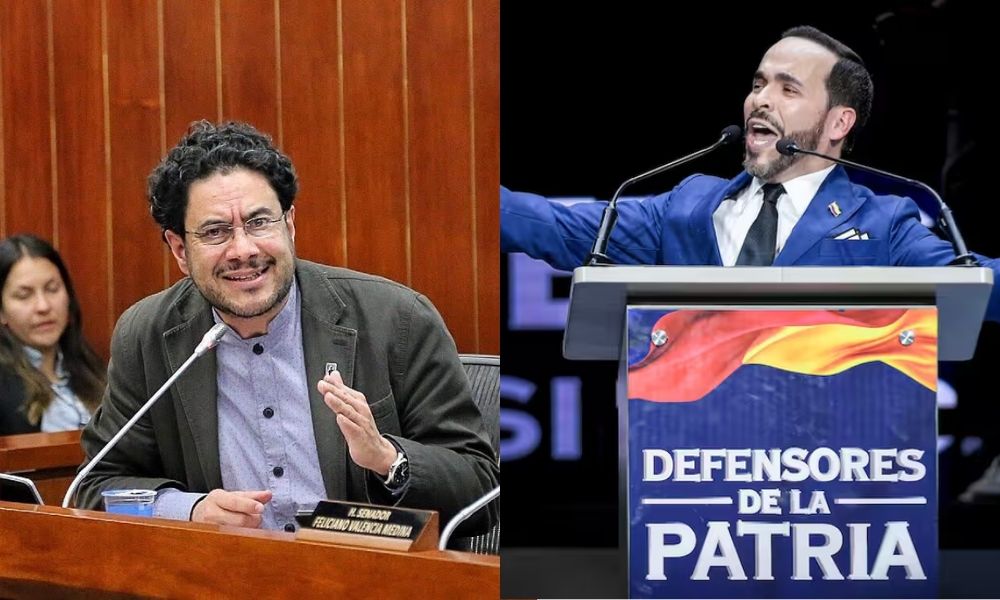
Colombia decidió el domingo la composición del Congreso de la República para los próximos cuatro años. Además, tres candidatos presidenciales fueron elegidos en las elecciones interpartidarias previas a la elección nacional del 31 de mayo, alternativas al actual escenario polarizado entre Abelardo de la Espriella e Iván Cepeda.
En esta jornada electoral estuvo en juego la separación de poderes. Estos últimos cuatro años demostraron el valor de un Congreso que le hizo contrapeso a la agenda reformista y, en ciertos escenarios, a acciones antidemocráticas del gobierno actual. Si bien el presidente, Gustavo Petro, inició con una coalición de gobierno con el Pacto Histórico, Partido Liberal, Partido de la U y Partido Conservador, que inicialmente le aprobó sus propuestas, esto cambió pronto. Los partidos adoptaron una posición de independencia que el presidente usó para su principal argumento: ingobernabilidad.
Pese a la narrativa de fraude del presidente, la mayoría se la llevó el Pacto Histórico con 25 senadores, sumada a la curul indígena que ha hecho parte de la coalición. El Centro Democrático ganó cuatro curules frente a 2022, pasó de 13 a 17. La fórmula, de volver a lista cerrada con el expresidente Álvaro Uribe Vélez funcionó, aunque no como preveían en el partido. Los partidos trandicionales, liberales y conservadores, que tenían un gran peso en el Congreso, pierden fuerza, especialmente los conservadores.
Sin embargo, ningún partido de manera independiente logró una mayoría absoluta en el Congreso. Por eso, siempre se requiere alianzas poselectorales de cara a una buena presidencia. Además, el desafío es que será un Congreso polarizado y con recientes escándalos de corrupción (caso UNGRD).
El próximo Congreso será fragmentado. Ninguna fuerza se acerca a mayoría absoluta y deberá haber coaliciones. Se observa un equilibrio entre la izquierda y la derecha; en Senado y Diputados respectivamente. Además, la elección del Congreso no necesariamente será favorable para el próximo gobierno. No se podrán aprobar reformas estructurales sin negociar entre distintos sectores.
Entre la integridad electoral y el orden público
El país se caracteriza por tener una histórica confianza en las autoridades electorales y los resultados, emitidos de manera rápida. Sin embargo, esta confianza se puso en duda desde la cabeza del Gobierno. Desde el 2025, el presidente insiste en una narrativa de fraude a través de X, vistos más de tres millones de veces, en los que contradice a instituciones como la Registraduría, la Misión de Observación Electoral (MOE) y los medios de comunicación. Recientemente lo llamó “fraude electrónico pactado por dinero”.
Esta situación es alarmante de cara a las elecciones presidenciales. Es gravísimo generar desconfianza en los resultados. Por eso, ha existido un esfuerzo riguroso de parte de las entidades estatales por transmitir un mensaje de integridad electoral. El liderazgo lo asumió el registrador, Hernán Penagos, que aseguró transparencia al expresar que se publicarán el 100% de las actas electorales. Asimismo, se desplegaron más de 240.000 integrantes de la Fuerza Pública y un millón de testigos electorales, un aumento del 162% frente a 2022.
Riesgos electorales
El MOE alertó un incremento de riesgo electoral (fraude y violencia) del 30% en comparación con el 2022. Algunos de estos riesgos se han materializado. Respecto a la compra de votos, el Ministro de Defensa anunció la incautación de $3.521 millones de pesos y 41 personas capturadas presuntamente estarían relacionadas con este delito.
Asimismo, las autoridades anunciaron que, a pesar del cierre de fronteras, aproximadamente 2.400 personas fueron movilizadas irregularmente desde Venezuela por una trocha en Norte de Santander. Presuntamente, el objetivo era redirigirlas en buses hacia sus puestos de votación. Según Defensa, el ELN podría estar relacionado con este hecho.
El magnicidio del precandidato presidencial por el Centro Democrático, Miguel Uribe en junio de 2025, dejó un precedente en términos de inseguridad. En el marco de estas elecciones, se reportaron diferentes hechos violentos, principalmente amenazas, constreñimiento y secuestros. Entre los casos que llaman la atención se encuentra la incineración del carro de campaña del candidato Mauricio Matri del Centro Democrático en Santander. También, el secuestro de los candidatos Andrés Vásquez (Partido Conservador) en Cesar y Ana Guetio (Curul de Paz ) en Cauca.
Además, durante la jornada se quemaron cuatro urnas en Calamar, Bolívar. El Ejército confirmó que frustró seis acciones terroristas con explosivos de las disidencias de las FARC en Cauca, Valle del Cauca y Nariño. Hubo un enfrentamiento entre el Clan del Golfo y las Fuerzas Militares en Antioquia y hostigamientos en Puerto López, Meta.
Consultas presidenciales: una alternativa viable
Las consultas presidenciales fueron el primer gran pulso de la carrera presidencial, dando posibilidades a nuevas candidaturas para la primera vuelta presidencial. Si bien, el propósito principal era definir una candidatura única entre partidos y/o coaliciones ideológicamente cercanas, sirvieron para medir la fuerza electoral previo a la primera vuelta.
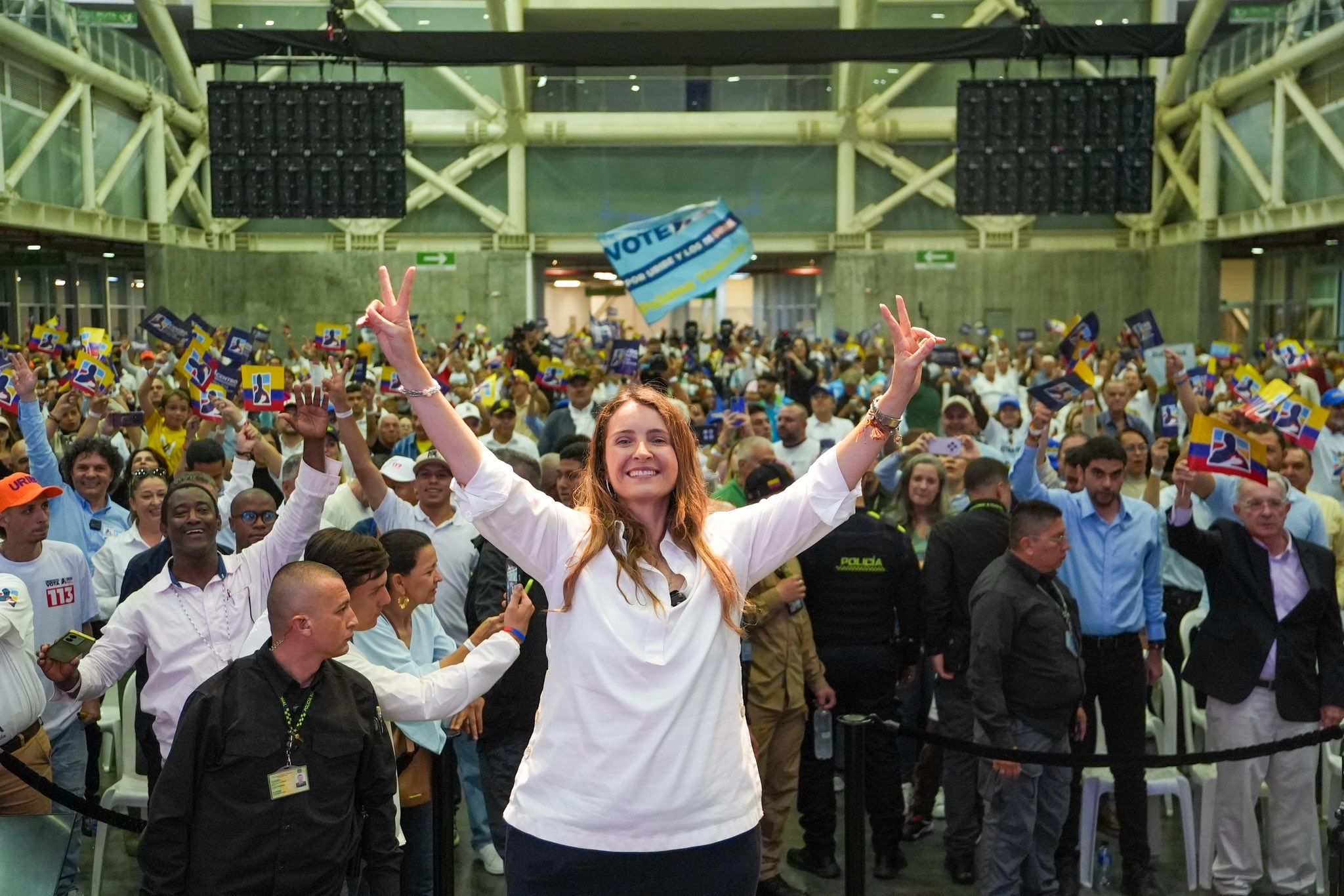
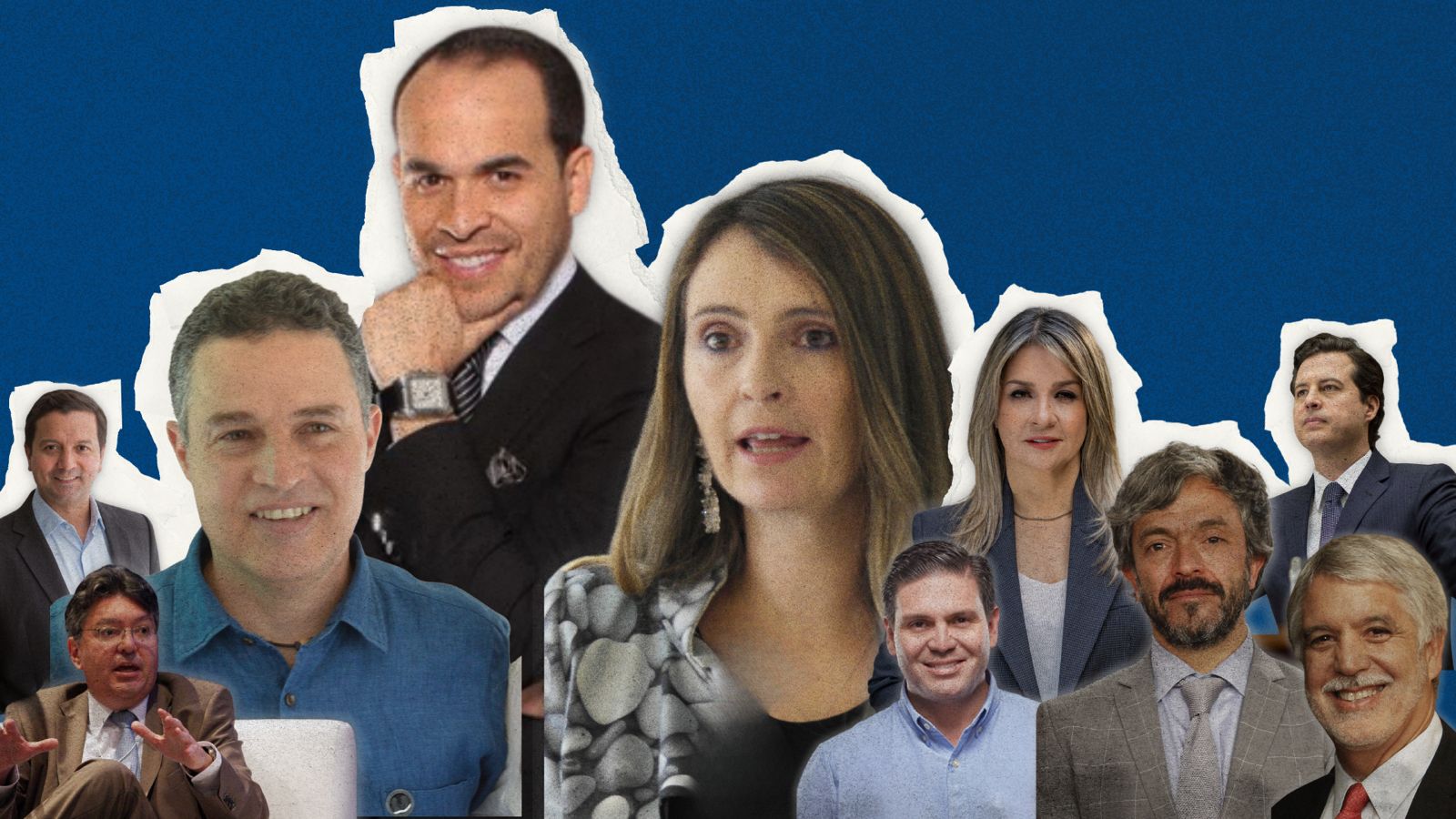
Por la centroderecha estaba la Gran Consulta por Colombia, con nueve precandidatos obtuvo casi seis millones de votos. La ganadora fue Paloma Valencia con más de tres millones de votos. Su liderazgo fue arrollador y duplicó el número de votos que obtuvo Iván Cepeda en 2025. Lo cual la posiciona como una candidata fuerte en la primera vuelta presidencial. Además, el segundo más votado fue Juan Daniel Oviedo con 1.2 millones, quién podría capturar los votantes del centro en la candidatura de Paloma Valencia.
Paloma Valencia, senadora y candidata por el Centro Democrático. Foto: X
Por la izquierda, estaba el Frente por la Vida, consulta que no fue apoyada de manera oficial por el presidente Petro. Solo obtuvo 588 mil votos y ganó el candidato Roy Barreras con 253 mil votos. Tras el resultado, Barreras manifestó su molestia con la falta de respaldo de la izquierda e incluso manifestó la posibilidad de apoyar a la derecha.
Desde el centro, en la Consulta de las Soluciones la ganadora fue Claudia López, exalcaldesa de Bogotá con 569 mil votos. A pesar de ser la ganadora, los resultados no fueron buenos. Se esperaba una votación de al menos un millón considerando su rol.
La primera vuelta no se decidirá necesariamente entre Abelardo De La Espriella e Iván Cepeda. Paloma Valencia surge como una opción con amplio respaldo. El centro político no lo tiene Claudia López, sino Juan Daniel Oviedo. Y la izquierda ideológica no llegará dividida a primera a vuelta, pero le hará falta la maquinaria de Roy Barreras.
Coordinadora de proyectos de la Fundación Konrad Adenauer en Colombia. Politóloga e internacionalista por la Universidad Javeriana de Bogotá. Magíster en construcción de paz con formación en el Centro William J. Perry de Estados Unidos y la Universidad de Linneaus de Suecia.
Directora de la oficina de la Fundación Konrad Adenauer en Colombia. Doctora en ciencias políticas por la Universidad Tecnológica de Chemnitz; magíster en relaciones internacionales por la Johns Hopkins School of Advanced International Studies y politóloga por la Universidad de Potsdam.
10 años de la respuesta de Colombia a la migración venezolana
Colombia ha afrontado la llegada de más de 2,8 millones de migrantes y refugiados venezolanos adoptando hacia esta población políticas con un enfoque de derechos e integración.
La respuesta del Estado colombiano frente al fenómeno migratorio proveniente de Venezuela, uno de los mayores flujos de movilidad humana del mundo que alcanza los 8 millones de personas, ha sido reconocida como una de las más solidarias y efectivas en un contexto global en el que priman políticas de contención y expulsión migratoria. A pesar de ser un país de renta media, Colombia ha afrontado la llegada de más de 2,8 millones de migrantes y refugiados venezolanos. Además, ha recibido a un número incierto de retornados colombianos y sus familias. Ha adoptado hacia esta población políticas con un enfoque de derechos e integración.
Al cumplirse una década de gestión frente a la crisis migratoria, resulta fundamental preservar la memoria sobre cómo las autoridades colombianas y la sociedad civil, con el respaldo de la cooperación internacional, han recorrido este desafiante y enriquecedor camino. Asimismo, es vital que las futuras autoridades nacionales, regionales y locales den continuidad y fortalezcan esta labor. Este proceso debe ser abordado en el largo plazo afrontando los retos que implica no solo la acogida sino la integración de los migrantes.
El Observatorio de Venezuela de la Facultad de Estudios Internacionales, Políticos y Urbanos de la Universidad del Rosario es un grupo académico que hace investigación, pedagogía, extensión y difusión del conocimiento sobre el caso venezolano y su relación con Colombia. A partir de 2004 el Observatorio viene haciendo seguimiento a la transformación del sistema político de Venezuela y las relaciones colombo-venezolanas. Desde 2015 aborda las dinámicas migratorias provenientes del vecino país, constituyéndose en un espacio de encuentro, intercambio de ideas y proyectos que buscan la resolución de problemáticas específicas. Igualmente, es un espacio de consulta por parte de distintos actores nacionales e internacionales.
Datos editoriales
Autores: Francesca Ramos Pismataro, Ronal F. Rodríguez, María Clara Robayo León y Txomin Las Heras Leizaola
ISBN 978-628-7708-29-7
Número de páginas: 407
Editorial: Fundación Konrad Adenauer, KAS Colombia, Universidad del Rosario y Observatorio de Venezuela.
Plataforma para el diálogo democrático entre los influenciadores políticos sobre América Latina. Ventana de difusión de la Fundación Konrad Adenauer en América Latina.
Santiago Peña: del alineamiento con EEUU a la visibilidad internacional
El presidente paraguayo profundiza el vínculo con los republicanos incluso antes de gobernar. Utiliza este instrumento como una estrategia de proyección internacional, con una reducción del margen de autonomía en favor de mayor previsibilidad política como socio internacional.
Artículo original en español. Traducción realizada por inteligencia artificial.
🎧 Escuchar este artículo
En un escenario regional donde los países latinoamericanos intentan redefinir cuál es el margen de maniobra posible en un sistema internacional cada vez más hostil y fragmentado, oscilando entre la búsqueda de autonomía relativa y distintas formas de alineamiento estratégico, Paraguay parece ya haber tomado una decisión. En este contexto, la figura de Santiago Peña adquiere una relevancia particular.
Desde la llegada de Santiago Peña a la Presidencia en agosto de 2023, la política exterior paraguaya ha atravesado un proceso de reposicionamiento. Aunque no se modifica sustancialmente el peso estructural del país en el sistema internacional, sí se incrementó de manera visible su proyección política y su acceso a espacios de alto nivel. Más que buscar equilibrios entre actores internacionales en competencia, el gobierno de Peña consolidó un alineamiento definitivo con Estados Unidos. Busca aumentar la presencia de Paraguay en la agenda política de Washington y abrir puertas en el plano internacional.
De la crisis al alineamiento
El punto de partida estuvo lejos de ser favorable. Antes de asumir el cargo, el nuevo gobierno debía gestionar las consecuencias diplomáticas derivadas de la designación por corrupción significativa aplicada en 2022 por el Departamento de Estado de Estados Unidos al expresidente y líder del oficialismo, Horacio Cartes. La medida introducía tensiones inevitables en la relación bilateral y proyectaba incertidumbre sobre el rumbo político del vínculo entre ambos países.
Frente a este escenario, la administración Peña evitó transformar la situación en un conflicto diplomático abierto. Durante el tramo final del gobierno de Joe Biden, Paraguay optó por una estrategia de manejo simultáneo de niveles políticos. Por un lado, preservó una relación institucional estable con la Casa Blanca, manteniendo la cooperación técnica y los canales interestatales tradicionales. Por otro, comenzó a fortalecer vínculos con actores relevantes del Partido Republicano, a partir de una lectura pragmática del sistema político estadounidense, donde los cambios de administración suelen redefinir prioridades de política exterior.
En ese proceso cobró especial importancia la relación con el entonces senador Marco Rubio. Se identificó como una figura influyente en la agenda hemisférica republicana y con fuerte presencia en debates vinculados a seguridad regional. Este acercamiento no respondió necesariamente a una estrategia sofisticada de largo plazo, sino a una práctica diplomática orientada a ampliar interlocutores en un contexto político incierto.
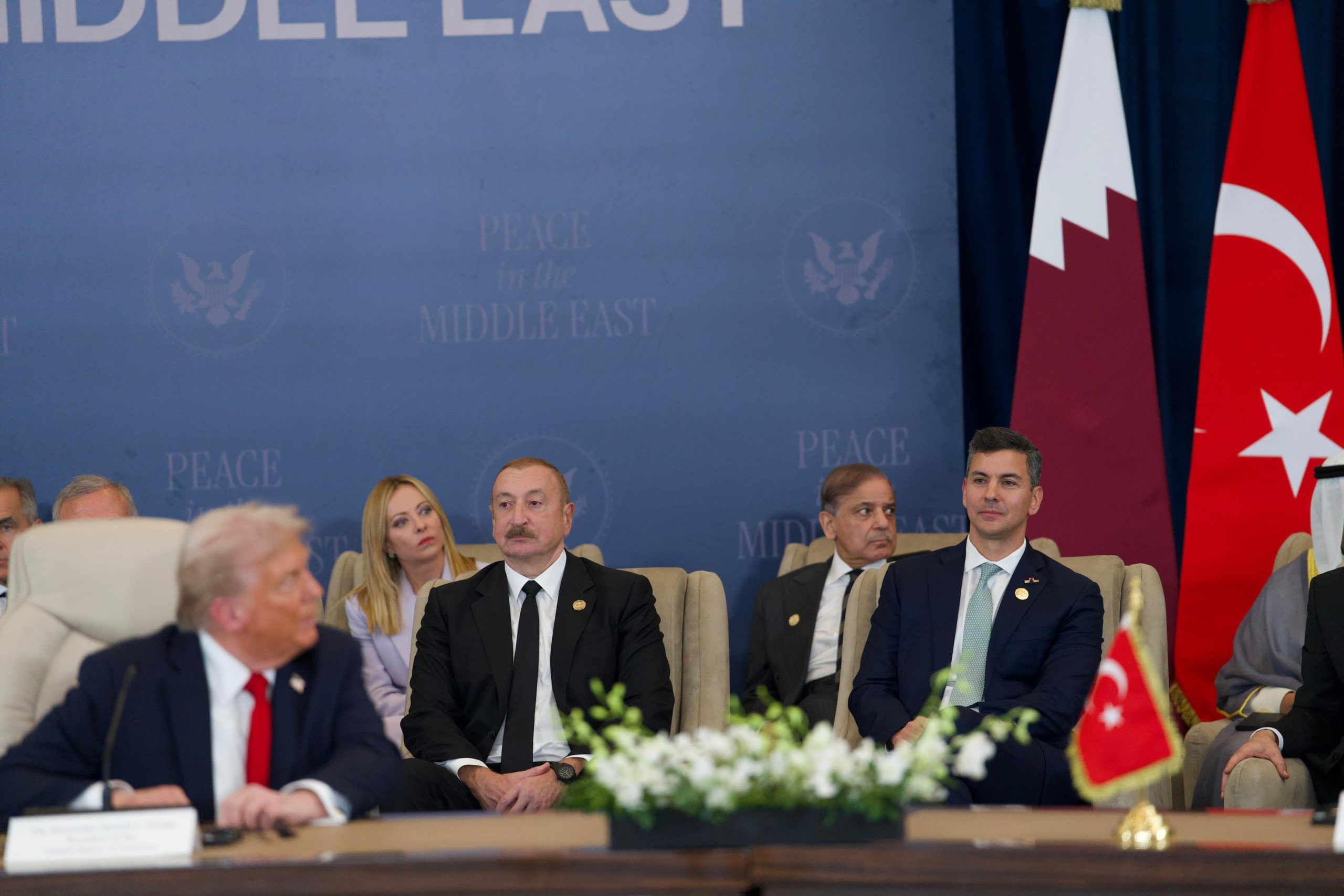
Santiago Peña en la cumbre Peace in the Middle East el 13/10/25. Fuente: RCC Noticias
¿Cuándo y por qué el cambio?
El cambio de escenario llegó con el triunfo electoral de Donald Trump. La llegada de Rubio al Departamento de Estado permitió que Paraguay interactuara con una dirigencia con la que ya existían canales políticos. A ello se sumó un elemento contingente pero significativo: el nombramiento de Christopher Landau como vicesecretario de Estado. Su historia personal, vinculada a Paraguay, contribuyó a facilitar un clima de interlocución particularmente fluido.
El fortalecimiento del vínculo, sin embargo, no fue inmediato. Durante los primeros meses persistió cierta cautela por parte de Washington. Paraguay no recibió inicialmente apoyos decisivos en espacios multilaterales. Se evidenció en la falta de respaldo a la candidatura de su canciller, Rubén Ramirez Lezcano, para la Secretaría General de la Organización de los Estados Americanos. Tampoco ocupó un lugar destacado en los primeros eventos políticos asociados al inicio del nuevo gobierno estadounidense. Más que un alineamiento automático, el proceso respondió a una acumulación progresiva de señales políticas.
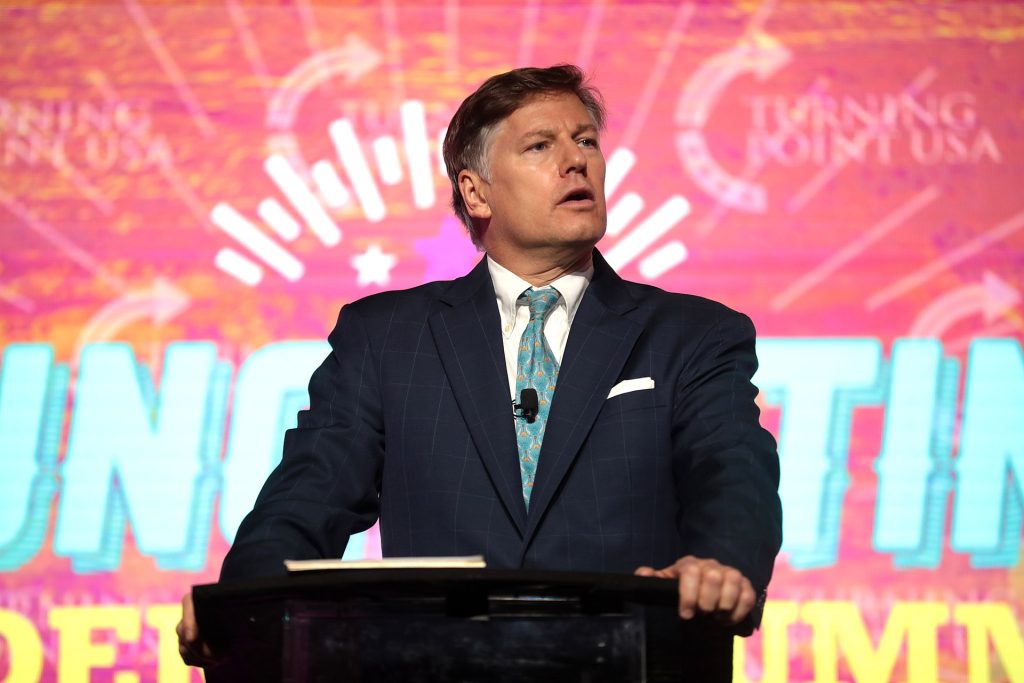
Christopher Landau, vicesecretario de Estado de Estados Unidos. Foto: Wikimedia Commons
Socio, ¿a qué costo?
Con el tiempo, Paraguay comenzó a consolidar una imagen de socio confiable mediante posiciones coincidentes con prioridades de la política exterior estadounidense. Algunas de estas coincidencias representaban continuidades históricas. El respaldo diplomático a Taiwán, sostenido por Paraguay durante décadas, adquirió una nueva relevancia en un contexto regional marcado por la expansión económica y tecnológica de China. Declaraciones cruzadas con el gobierno de Beijing y decisiones regulatorias que limitaron la participación de empresas chinas en proyectos vinculados a infraestructura tecnológica sensible, especialmente en el ámbito del 5G, reforzaron esa convergencia política.
El respaldo sostenido a Israel en foros internacionales también marcó una posición más disruptiva y contribuyó a profundizar afinidades con sectores influyentes de la política estadounidense. En la misma línea, el propio Santiago Peña manifestó recientemente su apoyo a la revitalización de la Doctrina Monroe impulsada por la administración de Donald Trump. Esta señal política refuerza la identificación del gobierno paraguayo con la visión hemisférica promovida desde Washington.
Paraguay ha sido tradicionalmente de los socios más estables de EEUU en América del Sur. Sin embargo, el período actual muestra un grado de convergencia política más amplio. La creciente coincidencia en votaciones multilaterales, posicionamientos diplomáticos y acuerdos bilaterales de cooperación en seguridad y migración, como la firma del Acuerdo sobre el Estatuto de las Fuerzas y el Acuerdo de Tercer País Seguro, sugieren una reducción del margen de autonomía tradicional en favor de una mayor previsibilidad política como socio internacional.
Visibilidad y previsibilidad como punta de lanza
En paralelo a estas definiciones, Peña desarrolló una intensa diplomacia presidencial orientada a reposicionar la imagen internacional del país. Viajes frecuentes, participación en foros económicos y políticos, entrevistas internacionales y reuniones bilaterales formaron parte de un esfuerzo sostenido por mejorar la receptividad hacia Paraguay en espacios globales donde su presencia había sido históricamente limitada.
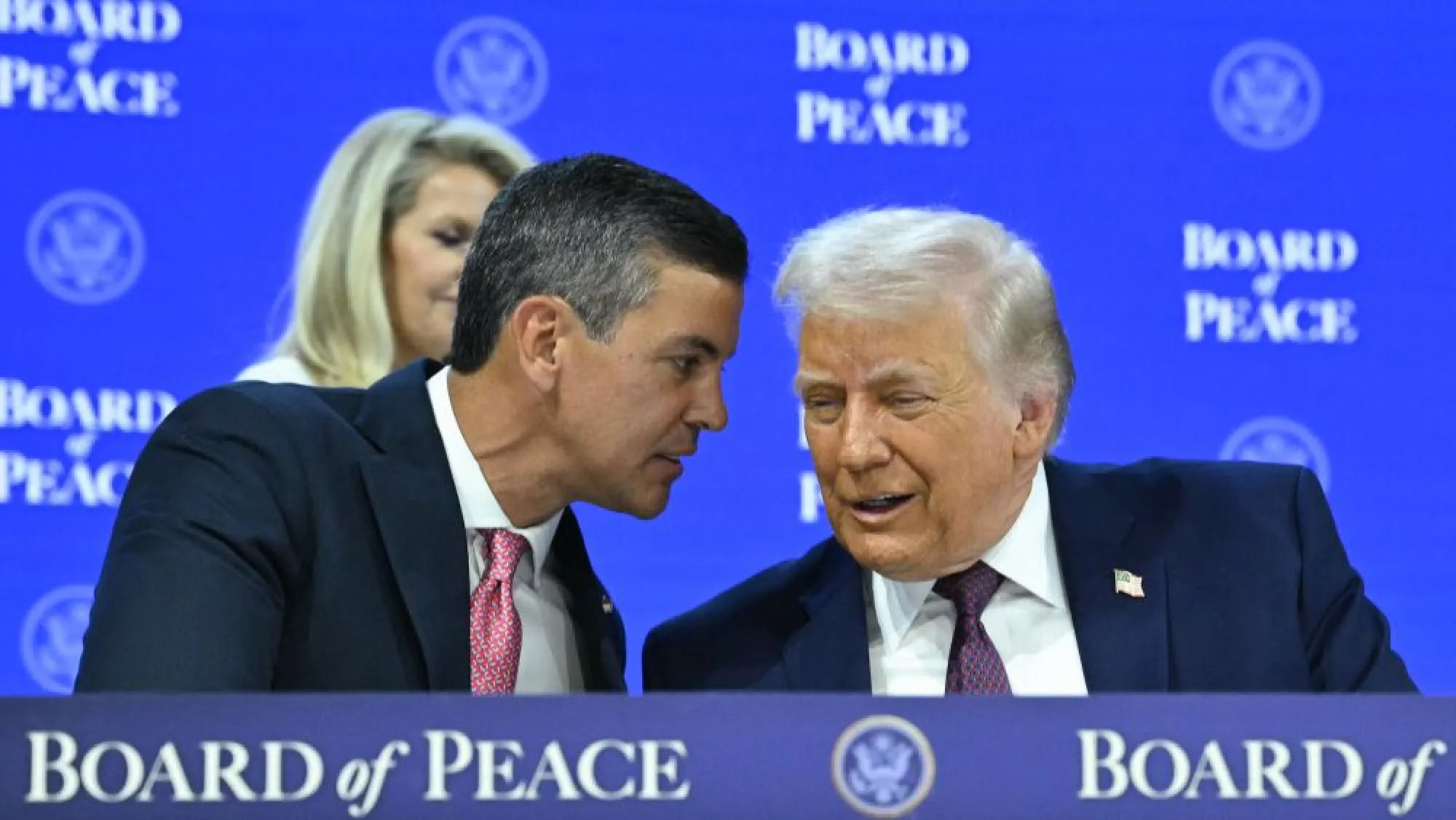
Este proceso contribuye a explicar su participación en instancias diplomáticas impulsadas por Washington. Por ejemplo, encuentros vinculados a iniciativas de diálogo en Medio Oriente como la Cumbre por la Paz realizada en Egipto y la nueva Junta de Paz promovida por el gobierno de Trump. La presencia del mandatario paraguayo como único líder latinoamericano en algunos de estos espacios refleja la consolidación de una relación política basada en un crecimiento de su imagen internacional que proyecta previsibilidad, estabilidad y alineamiento. También permite entender por qué otros dirigentes regionales cercanos a Washington, como Javier Milei o Nayib Bukele, no necesariamente han ocupado los mismos lugares en determinadas instancias diplomáticas.
La evolución reciente del vínculo bilateral incluyó además señales de reciprocidad política. Como la normalización progresiva del clima bilateral y la reducción de presiones sobre figuras centrales del oficialismo paraguayo, evidenciada en el levantamiento de sanciones que afectaban a Horacio Cartes. Desde la perspectiva del gobierno de Peña, el objetivo parece claro: traducir la cercanía política en oportunidades económicas, atraer inversiones y asegurar una mayor presencia del país en la agenda estratégica estadounidense.
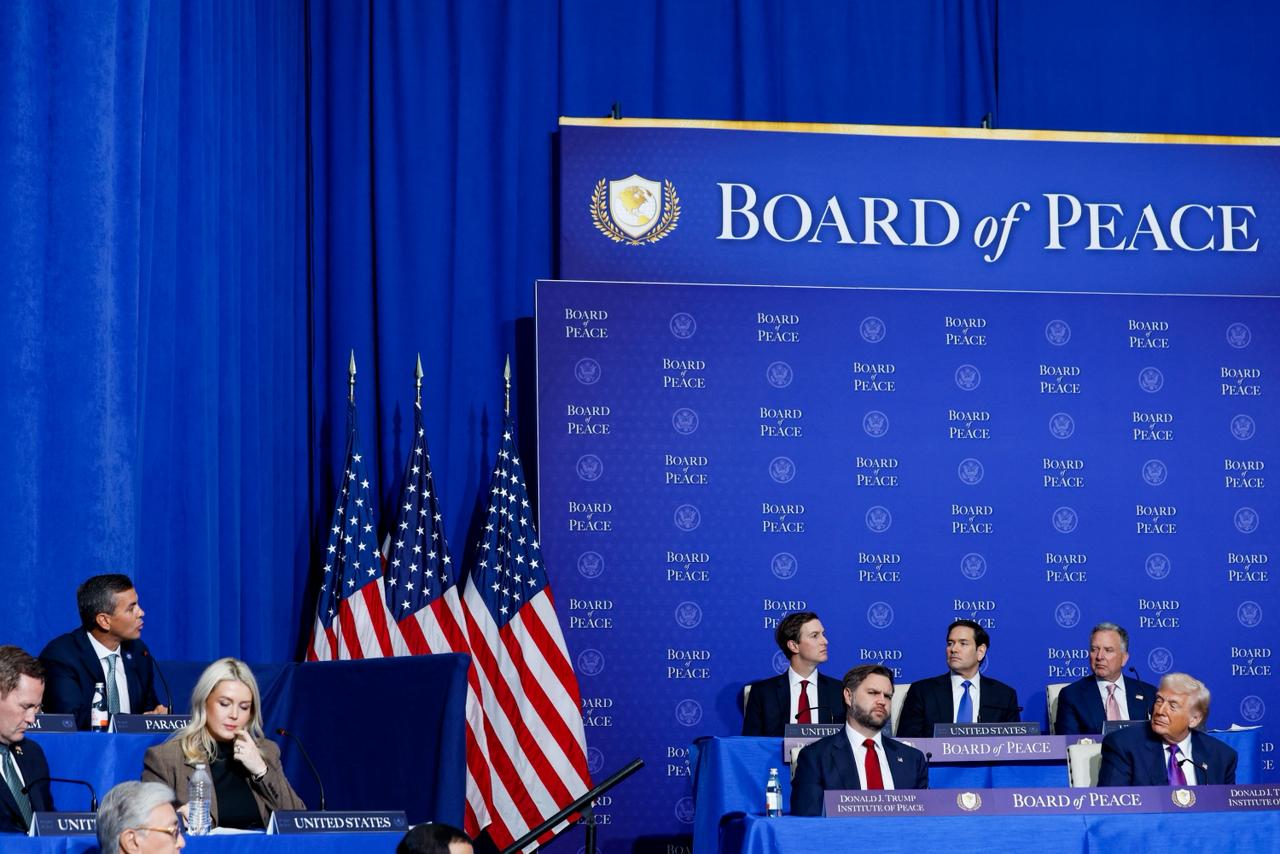
Santiago Peña en la Junta de la Paz en Washington el 19/02/26. Foto: Presidencia Paraguay
La estrategia de adaptarse al cambio
Más que una transformación profunda del lugar de Paraguay en el sistema internacional, lo que emerge es un ajuste en su forma de inserción externa. Paraguay no incrementó significativamente sus capacidades materiales ni su influencia estructural. Pero sí logró posicionarse con mayor frecuencia dentro de circuitos políticos relevantes. El gobierno combinó oportunidades de contexto, afinidades políticas y una diplomacia presidencial activa para proyectar una imagen de estabilidad y confiabilidad.
El caso paraguayo ilustra así una dinámica recurrente en la política internacional contemporánea. Para los Estados de menor escala, la relevancia no siempre deriva del poder material, sino de la capacidad de interpretar cambios en el entorno internacional y ofrecer previsibilidad en un sistema cada vez más volátil. Bajo el gobierno de Santiago Peña, Paraguay ha apostado precisamente a esa lógica. Convierte el alineamiento político en un instrumento de visibilidad internacional cuyas consecuencias y límites solo podrán evaluarse plenamente en el mediano y largo plazo.
Internacionalista y magíster en estudios latinoamericanos por la Universidad de Salamanca. Autora del libro “Paraguay, Política Exterior e Integración Regional. Un recorrido hacia la contemporaneidad” con Intercontinental Editora S.A. (2019). Coordinadora de ALADAA Paraguay.
Desencuentro para el feminismo y el problema de las narrativas
Con la tendencia creciente de las nuevas derechas, el debilitamiento del multilateralismo y el extremismo político, la agenda feminista y de derechos se entiende desde un nuevo encuadre retórico que implica un quiebre con los consensos alcanzados.
Artículo original en español. Traducción realizada por inteligencia artificial.
🎧 Escuchar este artículo
¿El feminismo pierde fuerza en las retóricas públicas y narrativas políticas? Según el Barómetro de Juventud y Género de 2025 de Fad Juventud, publicado en febrero de 2026, la mitad (49,2%) de los jóvenes españoles, hombres o mujeres, creen que el feminismo es una herramienta de manipulación política. Otros datos: el 38,4% de los jóvenes se declara feminista, casi 12 puntos menos que en el máximo registrado en 2021 (49,9%). Además, cuatro de cada 10 hombres de menos de 30 años cree que el feminismo no es necesario porque ya existe igualdad.
Esta desconfianza respecto a los derechos de igualdad es palpable en la opinión pública, en los liderazgos políticos e influenciadores, y refleja una nueva tensión en el debate de la agenda de derechos.
Péndulo discursivo: del consenso a la disputa
El siglo XXI mostró avances concretos respecto a la agenda de género: reconocimiento de la violencia de género como violación a los derechos humanos, tipificación del femicidio, legalización del aborto, transición de leyes de cupo a paridad en órganos de representación política.
En los ámbitos políticos, la agenda de género se trataba como un consenso democrático, impulsado por organismos multilaterales como la ONU, ONU Mujeres, Unicef, Unesco. Con asesoramiento, estimulación y premiación, impulsaban a los Estados a priorizar la agenda feminista alrededor del mundo, en consonancia con los Objetivos 2030. Buscaban cambios a partir de metas de igualdad, indicadores de género y presupuestos con perspectiva de género.
Pero, ¿por qué los jóvenes ya no creen en esta causa? ¿Falta autocrítica desde el feminismo? ¿Se presentó como monolítico, intransigente, extremista y por eso ahora se lo confronta? ¿Se llegó a un límite? Y, ¿esto implica un retroceso de los avances?
Beatriz Martín Padura, directora general de Fad Juventud, explica que los jóvenes están expuestos a “discursos contradictorios que influyen en su posicionamiento”. Y aunque la medición de opinión pública no necesariamente supone retrocesos lineales, sí evidencia “un escenario complejo donde conviven consensos amplios con percepciones divergentes”, añade.
Anna Sanmartín, directora de investigación y responsable del informe, explicó a El País que “la palabra feminismo está de capa caída”. Añade que el discurso triunfante entre los jóvenes es que “se ha invertido la discriminación, que ahora los hombres son víctimas y que la sociedad se ha pasado de frenada”. Según el estudio, el 50,8% “cree que los hombres están desprotegidos ante denuncias falsas por violencia de género” (frente al 44,2% en 2023), y el 44,6% considera que “se ha perdido la presunción de inocencia para los hombres” (37,3% en 2023).
“Entre la gente joven ha ido calando un argumentario, que determinados grupos políticos y líderes públicos sostienen y validan y que ha encontrado un altavoz en lo digital”, afirma la investigadora.
Politización: de causa noble a wokismo
El estudio de Fad Juventud no indica que la existencia de estos derechos haya cambiado, sino su estatus simbólico: de ser un acuerdo básico democrático, el feminismo pasó a ser una disputa cultural y política más amplia, un marcador identitario. En el ámbito político, hay una consolidación de liderazgos con una narrativa en oposición a la llamada agenda woke, asociada al progresismo, que engloba amplios derechos sociales, como los de la mujer.
Figuras centrales de la política lo demuestran. Donald Trump promovió eliminar lenguaje asociado a lo woke, incluyendo el término “feminismo”, “discriminación” “injusticia”, “mujer”, “privilegio” y “equidad” de la comunicación gubernamental. Además de términos vinculados a la migración y el cambio climático, lo que pone nuevamente al feminismo dentro de la bolsa woke. También terminó los programas de diversidad, equidad e inclusión (conocidos como DEI) impulsados en distintos niveles de gobierno, reafirmando el cambio cultural.
El caso de Javier Milei en Argentina es un ejemplo en América Latina. Su discurso desconfía del feminismo, lo cuestiona como imposición ideológica y relativiza las políticas de igualdad.
En su discurso en Davos 2025, Milei asoció el concepto de “liberación mediante la intervención del Estado” con el “wokismo”; causas como el “feminismo”, “equidad”, “inmigración” y “ecología” serían para el presidente argentino “cabezas de una misma criatura cuyo fin es justificar el avance del Estado mediante la apropiación y distorsión de causas nobles”. El daño radica en la politización de la causa, dejando al feminismo parado en la vereda del enemigo de izquierda, lo que profundiza la polarización.
El filósofo Miguel Pastorino explica: “Así como la izquierda monopolizó el tema de los derechos humanos, de la justicia social y el feminismo, la reacción juvenil más de derecha, a todos los temas que la izquierda monopolizó, por desconocimiento, los identifica como temas de izquierda”. Y ejemplifica: “Si Miguel habla de derechos humanos, es zurdo. Así causas nobles de lucha por la igualdad, se caricaturizan. El espacio público se ha transformado en un campo de exclusiones. El otro deja de ser interlocutor posible y se convierte en enemigo moral. Y cuando el adversario se convierte en enemigo, el lenguaje de los derechos deja de ser un puente y pasa a ser un arma arrojadiza”. En cierta medida, la apropiación de la izquierda hizo que la reacción al progresismo sea pegarle a la izquierda.
Milei agregó en Davos que el feminismo “en su versión más benévola es redundante, ya que la igualdad ante la ley ya existe en Occidente”, simplificando la problemática al equiparar igualdad jurídica con igualdad real (adquisitiva, violencia de género, distribución del poder).
En otro plano, esta narrativa hace eco en influenciadores que comunican el tema desde la confrontación. Como Agustín Laje en Argentina y Andrew Tate en Estados Unidos.
El poder presidencial como termómetro
Actualmente solo tres mujeres ejercen el liderazgo presidencial en América Latina: Claudia Sheinbaum en México, Delcy Rodríguez en Venezuela (interina) y Jennifer Geerlings-Simons en Surinam. En mayo, la presidenta electa de Costa Rica, Laura Fernández, se sumará a la lista. Tampoco hay mujeres liderando las preferencias ciudadanas del ciclo electoral actual en Colombia, Brasil y Perú.
A nivel mundial, el liderazgo que más se destaca es el de la primera ministra de Italia, Georgia Meloni. De hecho, el parlamento italiano aprobó en noviembre de 2025 el delito de feminicidio, lo que desmitifica que el feminismo sea una causa con bandera ideológica.
Encuadre y el problema de las narrativas
El tema de la mujer, feminismo en la discusión pública, se volvió un campo de batalla ideológica y de poder. En las narrativas políticas predominantes, se deja de discutir cómo aplicar derechos y se cuestiona la legitimidad de la agenda, redefiniendo el conflicto. Este giro implica un cambio de encuadrerespecto a la agenda feminista (y de derechos)y qué lugar tiene en la discusión y decisión pública. Es un quiebre político y cultural sobre la centralidad de esa agenda que, como analizaba la directora Fad Juventud, no necesariamente implica un retroceso jurídico.
¿Corren un riesgo los derechos? Puede ser algo difícil de proyectar. El entramado cívico y democrático de cada sociedad es diferente, y la capacidad para rever las normas varía según la cultura política del terreno.
Volviendo a los datos: que el 50% de los jóvenes españoles entrevistados crean que el feminismo es una herramienta política es un problema. En cierta medida, sugiere que lo ha sido. Ante esta situación, las mujeres, como objeto de la problemática, quedan fuera de foco. Pasa a ser más importante lo que la política, de izquierda o derecha, busca al utilizar el discurso feminista.
En este momento, la confrontación del feminismo, como parte de la agenda woke, simbólicamente deja a las mujeres que buscan la igualdad en el lugar de la izquierda. Los discursos de estos liderazgos solo profundizan la zanja entre los campos ideológicos: si la agenda de derechos es de la izquierda, no es de la derecha.
Es un lógica discursiva que genera más polarización y más resentimiento entre hombres y mujeres. ¿La brecha ideológica de género es, al final, un tema identitario?
Editora adjunta de Diálogo Político Periodista. Licenciada en Comunicación por la Universidad de Montevideo. Posgrado en Comunicación Política por la UM.
Juan Pablo Guanipa: “La gente está de acuerdo, pero tiene mucha preocupación con los tiempos”
El dirigente y expreso político habla sobre las pistas a seguir para entender el proceso de cambio en Venezuela. Es optimista, aunque confiesa que la crisis socioeconómica genera desesperación en la población.
Artículo original en español. Traducción realizada por inteligencia artificial.
🎧 Escuchar este artículo
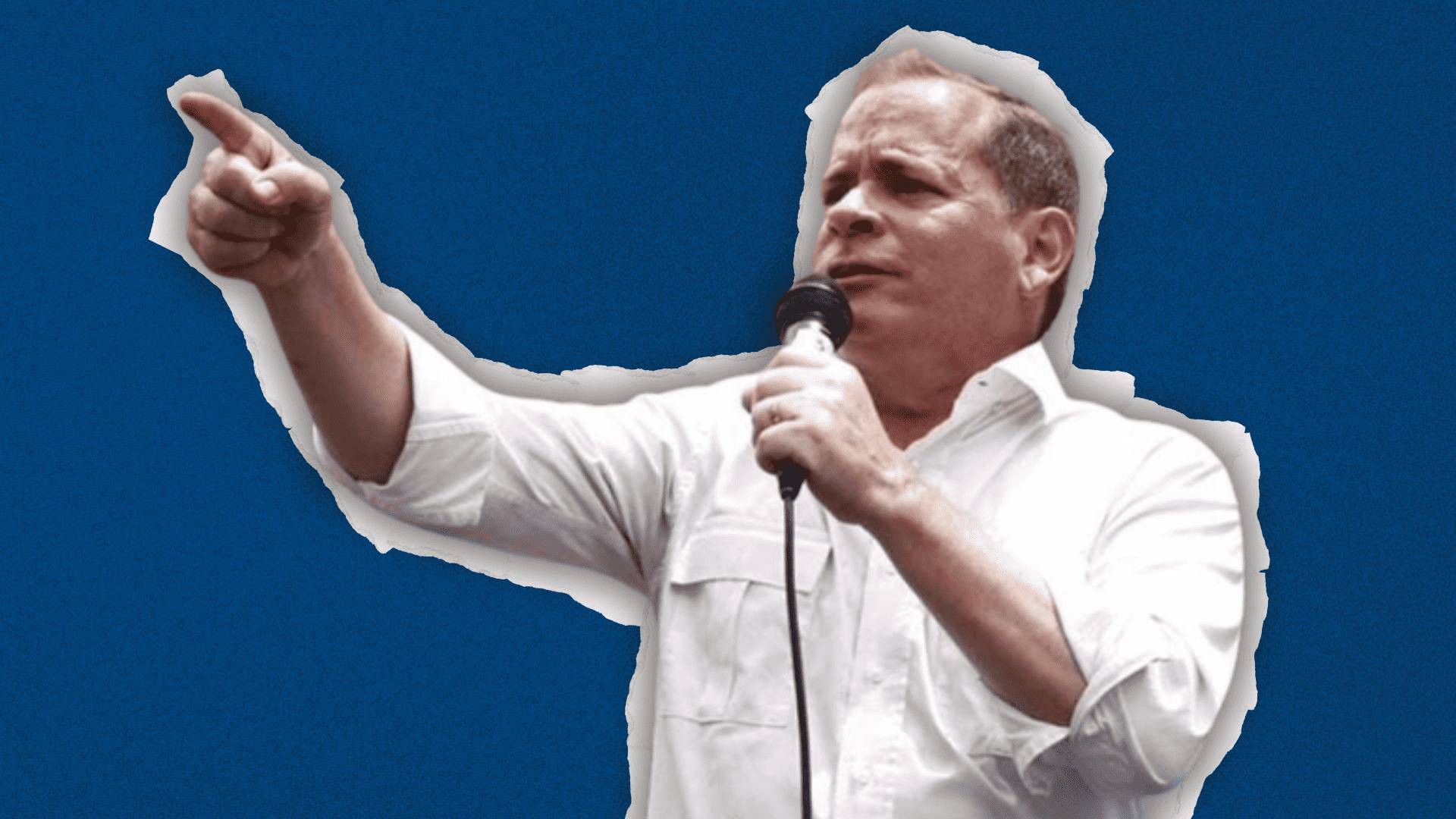
Luego de su liberación el 20 de febrero, Juan Pablo Guanipa volvió a realizar visitas a las barriadas y al activismo político en una Venezuela que atraviesa momentos decisivos tras décadas de dominio chavista.
Guanipa es un político del partido Primero Justicia con casi 30 años de trayectoria. Fue electo gobernador del Zulia en 2017, pero se le impidió asumir por no juramentarse ante la Asamblea Constituyente de mayoría chavista tras unas elecciones cuestionadas. Pasó por la clandestinidad y la cárcel luego de las presidenciales del 28 de julio de 2024. Es una figura clave de la oposición al lado de María Corina Machado y uno de los actores más relevantes del proceso político en Venezuela.
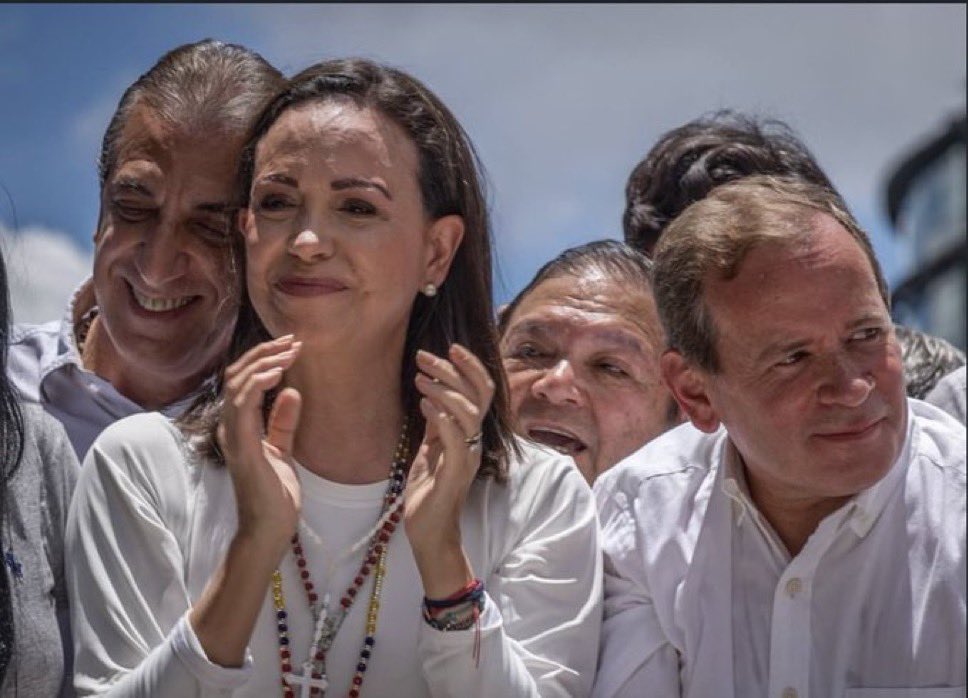
María Corina Machado y Juan Pablo Guanipa. Foto: @JuanPGuanipa
¿Cómo defines este momento político venezolano después de tu liberación y lo que se vive en el país?
—Con una palabra: transición. Creo que estamos en un momento de transición hacia la instauración de una democracia nuevamente en Venezuela. La habíamos perdido después de 40 años continuos. La llegada de Chávez al poder y luego de Maduro desarrolló un proceso que puso todo el poder en manos de una persona, de un autoritarismo que Venezuela no acepta y lo ha demostrado en muchas oportunidades. Después de todo lo que ha pasado, después del 28 de julio de 2024, cuando ganó Edmundo González y no se le reconoció el triunfo, de la persecución a tanta gente y luego la incursión de Estados Unidos, evidentemente el panorama político venezolano ha cambiado profundamente.
Hoy nos encontramos en ese proceso de transición hacia la democracia. Buscamos que se den todas las condiciones necesarias para poder culminar este proceso con una elección. Creo que todo debe terminar escuchando a la gente. No se escuchó a la gente el 28 de julio del 2024. Hay que lograr que empiece con buen pie el proceso democrático venezolano.
Injustamente encarcelado
La cárcel es siempre un momento difícil para cualquier ser humano. Pero para un preso político, encarcelado por sus ideas, por su forma de pensar, es doblemente difícil. ¿Es posible pensar que la cárcel deja algún tipo de enseñanza? ¿Dejó algún tipo de aprendizaje en ti como dirigente?
—Una sola hora de cárcel sin haber cometido ningún delito es una barbaridad. Es una profunda injusticia. Yo estuve diez meses en la clandestinidad y casi nueve meses en la cárcel sin haber cometido ningún delito. Eso produce indignación, y creo que la hemos tenido todos los presos políticos. Cuando tú llegas a la celda y te encierran allí, en mi caso te quedas solo. En otros casos había gente en celdas para 15, 16, 17 personas. Cuando te quedas allí, te preguntas: ¿qué hago yo aquí? ¿Qué necesidad tengo yo de estar aquí, de estar sin mi familia, sin la posibilidad de hacer lo que libremente un ser humano puede hacer?
En ese momento me puse un reto: a mí la cárcel no me va a vencer. A mí la cárcel no me va a amilanar, yo soy libre aun en prisión, con mi libertad interior no van a poder y no pudieron y le tengo que dar mil gracias a Dios por eso. Yo salí de la cárcel fortalecido físicamente, mentalmente, espiritualmente, emocionalmente, porque a pesar de las adversidades, a pesar de lo que allí viví, siempre traté de vencer los obstáculos que se me presentaron
¿La cárcel enseña? Sin duda que sí. Deja mucha enseñanza. En primer lugar, en medio de esas dificultades que vives, tratas de encontrarte más intensamente con Dios. Si ya crees en Dios, crees mucho más en Dios. Yo creo que cuando uno cae en una situación como esta, la tendencia puede ser a perder la fe o a fortalecer la fe. Yo, gracias a Dios, logré fortalecer mi fe en la cárcel y eso para mí fue sumamente importante.
Pero, además, después del primer mes, que fue el peor de los momentos que viví en la cárcel, logré que me dieran acceso a lecturas y que esto fuera algo importante en mi vida. Así pude leer, en unos ocho meses, 154 libros. Eso me ayudó muchísimo. Me refugié en la lectura y allí aprendí también adecuadamente a tomar nota, a sacar conclusiones.
Viví un proceso de fortalecimiento de la esperanza. Cuando uno está en la cárcel, no sabe cuándo va a salir, entonces eso te genera cierta incertidumbre. Decía: voy a salir de esto, voy a ver a mis hijos, voy a encontrarme con mi familia, voy a encontrarme con el país y eso evidentemente también ayudó en medio de las dificultades de la cárcel.
Por ejemplo, me hice una rutina de oración, de ejercicios, de lectura y periódicos. A mí me daban un periódico todos los días para tomarme una foto con el diario Últimas Noticias, que es del régimen, pero al menos me permitía leer la posición de Maduro, Delcy, Jorge Rodríguez, Padrino López, Cabello. Eso me permitía tener una parte de la realidad muy pequeñita, pero me permitía también deducir la realidad completa.
Cárcel El Helicoide, Caracas, Venezuela. Foto: Wikimedia Commons
La continuidad chavista
Después del parteaguas que fue el 3 de enero, el sistema chavista sigue manejando el país. ¿Cuál es el principal pilar de supervivencia del gobierno en este momento?
—Creo que es decisión de EEUU dejar por un tiempo al régimen de la vicepresidenta de Maduro, que desde mi perspectiva es tan ilegítima como Maduro, porque evidentemente Maduro no ganó el proceso electoral, desconoció el resultado, colocó a Delcy como vicepresidenta. Si él es ilegítimo, Delcy obviamente es ilegítima. EEUU tomó la decisión de que ellos siguieran para llevar adelante un proceso en el que van a tratar de estabilizar económicamente al país y van a tratar de lograr que lleguemos a un proceso electoral. Ese proceso electoral es el que va a definir el cambio político en Venezuela. Por eso digo que estamos en una en una realidad de transición.
¿Hay fisuras reales dentro del chavismo o el poder sigue estando cohesionado?
—Yo solo puedo especular sobre eso. Creo que sí hay fisuras, hay diferencias y creo que se van mostrando. Además, Delcy, en el cumplimiento de las órdenes que le dictan desde Washington, va a tener que afectar algunos intereses de algunos sectores del chavismo. Entiendo que se está produciendo en estos días, un cambio importante en el Ministerio Público, que va a haber otros cambios en el Ministerio de la Defensa y de otros ministerios. Todo eso genera fisuras dentro del chavismo y es parte de la dinámica de todo este proceso.
Tenemos una realidad y es que estos 27 años están terminando y eso nos va a permitir abrir otro capítulo importante en la historia del país.
Lugar de la oposición
¿Cuál siente que es el mayor patrimonio político de la oposición venezolana en este momento?
—Lo más importante es el apoyo del pueblo venezolano. El pueblo venezolano se manifestó de manera impresionante el 28 de julio de 2024. La gente que está en el poder trató de alguna manera secuestrar hasta la mentalidad del pueblo venezolano y no lo aceptamos. A mí me parece que eso es muy importante porque refleja el arraigo democrático que hay. Ese pueblo que tomó esa decisión se ha mantenido sólido, ha salido a la calle cuando ha sido necesario, ha protestado cuando ha sido necesario, ha votado cuando ha sido necesario, se ha abstenido cuando ha sido una estrategia en contra del régimen. Es decir, el pueblo ha actuado. Y para mí lo más importante en este momento es tomar en cuenta la opinión popular, la soberanía y la voluntad del venezolano: esa es la fortaleza más importante que tenemos.
Todos los dirigentes tenemos que actuar consustanciados con esa aspiración. Hay algunos que dicen ser opositores y que comienzan a decir que lo mejor es la estabilidad del país y que Delcy se quede allí para terminar el periodo. Primero, Maduro no es legítimo, segundo, ya no es presidente, así que hay una vacante absoluta. Yo creo que se debe declarar la vacante absoluta y proceder de acuerdo con lo que establece la Constitución.
Cuando salió de la cárcel, al menos de su primera excarcelación, lo primero que hizo fue recorrer puntos en Caracas para solidarizarse con presos políticos y sus familias. Desde que regresó a Maracaibo estuvo en gran cantidad de concentraciones con personas. ¿Qué tan popular siente la agenda de transición que estableció EEUU para Venezuela?
—La gente tiene mucha preocupación con los tiempos, es decir, está de acuerdo en que haya un proceso de transición y que haya un cambio político. Pero la situación socioeconómica es desesperante y en consecuencia es natural que la gente esté desesperada. Ahí es donde veo incertidumbre, quizás, desesperación de la gente.
Lo que les he dicho es: señores, yo los entiendo perfectamente porque sé lo que se está viviendo en cada una de las casas, pero entendamos también que tenemos 27 años. En mi caso, yo diría que son los años más productivos de la vida, dedicados a luchar en favor de que se instaure la democracia en Venezuela. ¿Cuánto nos falta? Pueden ser 6 meses, pueden ser 12 meses, pueden ser 18 meses. Vamos a tratar de que sea el menor tiempo posible. Pero sabemos que vamos hacia ese cambio político y tenemos que sentir la confianza y la seguridad de que eso se va a hacer con buena mano, con un buen desempeño y con un gran resultado.
Opositor venezolano Juan Pablo Guanipa. Foto: AP
En clave internacional
Como hombre de partido, dirigente de Primero Justicia, ¿considera que hay algún papel de parte de las democracias y los partidos políticos europeos en este contexto de cambios en Venezuela?
—Indudablemente que la participación europea es fundamental. Siempre he dicho que nosotros, los venezolanos, debemos tener una alianza natural [con Europa] porque somos parte del mundo occidental. Cuando tú veías a Chávez o a Maduro o a Delcy aliados con Rusia, Cuba, China, Irán, Turquía… yo no digo que no podamos tener relaciones comerciales con todo el mundo, pero nuestra relación histórica, geopolítica, cultural es con el mundo occidental y obviamente Europa.
Debo decir que a pesar de que Europa ha tomado algunas decisiones, a veces siento que quizás está ensimismada, cosa que es válida. Tienen sus propios problemas, tienen sus realidades y entonces eso hace que no estén tan involucrados en el caso venezolano. Yo quisiera un poco más de acción en ese sentido para que nos acompañen, porque cuando se acaba con un régimen democrático se deben encender las alarmas del mundo democrático. Nosotros tenemos que comprometernos muchísimo con la democracia en el mundo. Nos toca ver cómo peleamos para que Cuba y Nicaragua sean países democráticos. En ese esfuerzo siempre vamos a esperar el apoyo de Europa.
¿Puede haber un derrame de lo que ocurre en Venezuela en otras crisis como la de Cuba y Nicaragua?
—Siento que es posible, anhelo que eso pase. Creo que es justo y necesario. Tengo mucha esperanza con la posibilidad de que tengamos una América totalmente democratizada. Qué bueno sería que realmente Cuba sea libre, qué bueno sería que Nicaragua sea libre y que Venezuela sea parte de esa libertad y que no haya más dictaduras ni de izquierda ni de derechas en América y en el mundo.
Lo importante es que asumamos que la lucha por el poder no puede ser una lucha por el poder mismo, como si el poder fuera un fin en sí mismo, sin entender que el poder es un instrumento para la transformación social. ¡Qué mal le hace a los países la desesperación que algunos tienen por el poder! Están dispuestos a hacer lo que sea para tenerlo y para mantenerlo. Tenemos que lograr que en todos los países se entienda que tenemos que someternos a reglas de juegos y que, si uno pierde, bueno, pasa a ser oposición y espera una nueva oportunidad. Y que la democracia es el gobierno de las mayorías, con respeto a las minorías.
¿Qué detalles deberían observar los analistas para anticipar cambios en Venezuela?
—Yo creo que los analistas deberían seguir el proceso en el que estamos en Venezuela para lograr la estabilización democrática que nos parece fundamental. Nosotros estamos dando distintas peleas, que se pueden convertir en triunfos parciales y que pueden lograr que ese desiderátum democrático se dé. En primer lugar, la libertad de los presos políticos; en segundo lugar, el regreso de todos los exiliados; en tercer lugar, el cambio del Consejo Nacional Electoral; en cuarto lugar, lograr que los venezolanos puedan votar, estén donde estén, con el cambio del registro electoral; en quinto lugar, que todos los políticos estén habilitados. En sexto lugar, que los partidos políticos sean devueltos a sus liderazgos naturales. Hay que ver cómo todo eso va convirtiéndose en una especie de piedritas que se ponen para que podamos pasar el río adecuadamente hacia lograr la democracia en Venezuela.
Las opiniones expresadas en esta publicación son responsabilidad exclusiva de sus autores y no reflejan necesariamente la posición institucional de Diálogo Político ni de la Fundación Konrad Adenauer.
Doctor en ciencia política, magíster en estudios políticos y periodista. Profesor de la Universidad Católica del Uruguay y de la Universidad de Las Américas de Ecuador. Coordinador de proyectos en la Fundación Konrad Adenauer en Uruguay, y editor de Diálogo Político.
Ciclo electoral 2026, una prueba para la democracia latinoamericana
La configuración política regional de este año se configura a partir de las elecciones en Costa Rica, Colombia, Perú y Brasil. campañas atravesadas por la fragmentación política y mirada de Estados Unidos.
Artículo original en español. Traducción realizada por inteligencia artificial.
🎧 Escuchar este artículo
Distintas mediciones internacionales como el Democracy Index, de The Economist Intelligence Unit, o Varieties of Democracy (V-Dem), señalan que en 2025 la región experimentó otro año consecutivo de retrocesos democráticos. El índice sitúa a la mayoría de los países en las categorías de «democracias imperfectas» o «regímenes híbridos». Este fenómeno no es aislado: se enmarca en una crisis global de confianza en las instituciones liberales, y se relaciona con el impacto del ciclo electoral en América Latina.
Los datos del Latinobarómetro señalan que el apoyo a la democracia como sistema preferible de gobierno es apenas del 54% a nivel regional y en gran parte de los países (México, Colombia, El Salvador, Bolivia, Brasil, Perú, Paraguay, Ecuador, Honduras y Guatemala) no llega al 50%. Aunque el apoyo a la democracia muestra un repunte, sigue habiendo un porcentaje alto de personas dispuestas a sacrificar la democracia si sus problemas más apremiantes son resueltos (inseguridad, desempleo, inflación).
En este escenario, las elecciones regionales de 2026 no son solo una renovación de cargos, sino una prueba de resistencia para un orden internacional basado en el derecho que parece cada vez más fragilizado.
Costa Rica: desgaste y continuidad
El ciclo electoral en Latinoamérica inició en febrero con las elecciones generales de Costa Rica. Históricamente considerada el baluarte democrático de la región, el país ha dado muestras de latinoamericanización, como la fragmentación del sistema de partidos y la confrontación registrada entre el presidente saliente y el Poder Judicial y el Tribunal Supremo Electoral. A pesar de esto, la victoria de Laura Fernández (del gobierno de Rodrigo Chaves) reflejó un fenómeno particular: a pesar de la retórica confrontativa de la administración saliente, una parte del electorado premió la estabilidad macroeconómica.
Sin embargo, el sistema de partidos costarricense, antes un bipartidismo sólido, hoy es un archipiélago de siglas. Aunque el oficialista Partido Soberano del Pueblo alcanzó la mayoría impulsado por la victoria en primera vuelta de Fernández.
Laura Fernández, presidenta electa de Costa Rica, con el presidente Rodrigo Chaves. Foto: Presidencia
Colombia: entre el cambio y la reacción
Entre marzo y junio (en caso de segunda vuelta), Colombia renovará la totalidad del Congreso y elegirá nuevo presidente. Tras el primer gobierno abiertamente de izquierda en su historia moderna, el país llega a las urnas con una sociedad profundamente polarizada entre petristas y antipetristas.
La campaña oficial ofrece la continuidad del modelo de Paz Total y las reformas sociales impulsadas por el presidente, Gustavo Petro. Mientras, la centroderecha capitaliza la inseguridad y el estancamiento económico.
El panorama presidencial está ampliamente fragmentado, con más de veinte precandidatos. Pero Iván Cepeda (oficialismo) y Abelardo De La Espriella (conservador) concentran cerca del 50% de las preferencias. Sin partidos tradicionales hegemónicos, las coaliciones dominan el espectro político. En las elecciones legislativas del 8 de marzo se celebrará simultáneamente consultas partidarias en la que los ciudadanos podrán participar para definir las candidaturas de cara a las presidenciales.
Los meses previos a la elección han estado caracterizados por conflictos abiertos entre el oficialismo y los organismos electorales (Consejo Nacional Electoral y la Registraduría Nacional del Estado Civil), con el presidente Petro fomentando la narrativa del fraude.
Perú: inestabilidad y reformas institucionales
Tras la reciente destitución del presidente José Jerí y la designación de José María Balcazar, Perú llegó a los ocho presidentes en los últimos nueve años. Esto deja en claro el carácter estructural de la inestabilidad institucional del país. En abril y junio, celebrará elecciones generales bajo un nuevo marco institucional: el retorno a la bicameralidad, con el objetivo de dotar de mayor reflexión al proceso legislativo.
Perú es el caso de estudio por excelencia de la «democracia sin partidos». Con 36 precandidatos presidenciales (lo que obliga a un debate presidencial de seis días), la fragmentación asegura que quien gane la presidencia lo haga con un mandato débil y un Congreso hostil.
Desde hace seis años la política brasileña se mueve como un péndulo entre dos figuras: Luiz Inácio Lula Da Silva y Jair Bolsonaro. El primero influye en la política del país hace años (siete veces candidato presidencial). A sus 80 años, aún lidera las encuestas para ejercer nuevamente la presidencia por el periodo 2027- 2031. Por su parte, Jair Bolsonaro, presidente entre 2019 y 2023, cumple una condena de 27 años tras ser hallado culpable de un intento de golpe de Estado.
Aunque está inhabilitado para ser candidato, Bolsonaro tiene el peso electoral suficiente para designar al candidato que enfrentará a Lula en octubre. Se barajan varios nombres, entre ellos el de su esposa, su hijo (Flavio), o gobernadores como Tarsicio de Freitas (São Paulo).
Campañas de desinformación, que promueven la posibilidad de fraude electoral, afectan la credibilidad en el sistema de votación electrónico de Brasil, uno de los más avanzados y seguros del mundo. La capacidad del Tribunal Superior Electoral para blindar el proceso y generar legitimidad será crucial para evitar episodios de violencia política como los vistos en enero de 2023.
Elecciones subnacionales
Además de las elecciones a nivel nacional anteriormente abordadas, Bolivia, Paraguay y Perú celebrarán elecciones subnacionales.
En marzo será el turno de Bolivia, que afrontará las elecciones de gobernadores y alcaldes con un Tribunal Superior Electoral renovado, y con la interrogante de cómo impactará en los resultados el conflicto entre el presidente Rodrigo Paz y su vicepresidente Edmond Lara. También, el reordenamiento del Movimiento al Socialismo en las primeras elecciones que afronta como oposición tras haber estado en el poder por 20 años.
Los peruanos acudirán a las urnas por segunda vez en el año (o tercera en caso de segunda vuelta) para elegir 25 gobernadores, 196 alcaldes provinciales y casi 2000 distritales. Las elecciones estarán marcadas en gran medida por los resultados de las elecciones presidenciales y legislativas.
Finalmente, Paraguay celebrará elecciones internas partidarias en junio para definir las candidaturas que disputarán las municipales en octubre. El calendario electoral del Tribunal Superior de Justicia Electoral ha empezado en febrero con la auditoría del hardware y software de las máquinas de votación.
Patrones regionales
En el análisis político electoral es común sugerir hipótesis de patrones regionales que den luces sobre el comportamiento de los votantes. Durante los últimos años es práctica común analizar los resultados electorales en clave ideológica, identificando a los vencedores según su afiliación a la izquierda o a la derecha. Desde los tiempos de la marea rosa a los del Grupo de Lima, se han buscado generalizaciones que vayan hacia uno u otro lado del espectro ideológico.
Otra perspectiva ha sido la de continuidad versus alternancia, que plantea que los ciudadanos más que votar por una u otra ideología, premian o castigan a los oficialismos de acuerdo a su desempeño. En este sentido, durante 2024 y 2025 vimos continuidades en El Salvador (después de la controvertida eliminación de la restricción a la reelección), República Dominicana, México y Ecuador, mientras que las alternancias se dieron en Uruguay, Panamá, Venezuela (resultados desconocidos por la dictadura), Bolivia, Chile y Honduras.
Sin embargo, los liderazgos de la región muestran un nuevo rasgo: la mayoría pertenece o representa a nuevos partidos políticos que amenazan las organizaciones políticas tradicionales.
En las elecciones de este 2026 confirmaremos esta tendencia que ya empezó con buen pie en Costa Rica, y tiene grandes chances de asentarse con los resultados que se den en Colombia y Perú.
Director ejecutivo de Transparencia Electoral. Coordinador de DemoAmlat. Licenciado en estudios internacionales por la Universidad Central de Venezuela. Candidato a magíster en estudios electorales por la Universidad Nacional de San Martín de Argentina.
¿Por qué la decisión política de sacar los celulares de las aulas de clase?
La prohibición de celulares en las escuelas se ha extendido como restricción en el ambiente educativo con amplio apoyo público. La tendencia tiene consecuencias en la legislación, la convivencia y la sociedad.
Artículo original en español. Traducción realizada por inteligencia artificial.
🎧 Escuchar este artículo
Cada vez más países prohíben o limitan el uso de teléfonos celulares en las escuelas. Lo que hace una década parecía una medida extrema, hoy es parte de la realidad cotidiana en decenas de sistemas educativos. Según la UNESCO, en 2025 al menos 79 sistemas educativos habían adoptado algún tipo de restricción al celular en entornos escolares. ¿El objetivo? Crear aulas libres de distracciones digitales, mejorando la concentración de los alumnos, el rendimiento académico y la convivencia.
Varios estudios internacionales respaldan esta tendencia: se comprobó que, al eliminar los celulares en clase, la atención de los estudiantes mejora y sus calificaciones suben. Además, disminuyen problemas como el ciberacoso. En el Reino Unido uno de cada cinco menores había sufrido acoso en línea, un dato citado para justificar la intervención. Frente a esta problemática, la idea de desconectar la escuela pasó de ser un experimento local a una política pública ampliamente discutida.
Lo notable es que la regulación del celular escolar (nacida de preocupaciones pedagógicas y de salud mental juvenil) se convirtió en un asunto político. Gobiernos, parlamentos y partidos la impulsan como respuesta visible a la disrupción tecnológica en la educación.
Consenso y enfoques diversos
De Francia a Asia, de América Latina a Oceanía, la prohibición del celular en clase avanza con un consenso global, aunque con diferentes matices de aplicación. Francia fue pionera en 2018 al vetar los móviles en escuelas primarias y secundarias. Su ejemplo se replicó en otros países europeos. En Chile, el Congreso aprobó en 2025 una ley nacional que prohíbe los celulares en todas las aulas desde 2026. Las autoridades chilenas calificaron el uso irrestricto del móvil como “un flagelo… una de las principales pandemias” para los jóvenes. Brasil promulgó también en 2025 una norma federal en la misma línea con amplio apoyo popular.
En países sin una política única, las autoridades locales tomaron la iniciativa: varios estados de Estados Unidos (Florida, Texas, Nueva York, entre otros) impusieron vetos en 2023. En España numerosas regiones también prohíben el móvil en horario lectivo (con respaldo del gobierno central para unificar criterios). Australia ofrece evidencia del impacto: en el estado de Australia del Sur, un año después del veto, los incidentes vinculados a redes sociales bajaron 57%. Además, los directivos reportan mejoras en la atención y el clima escolar.
Este mosaico internacional muestra que, si bien cada lugar ajusta la política a su contexto, el diagnóstico de fondo es compartido. Limitar los celulares durante la jornada escolar ayuda a enfocar a los alumnos en el aprendizaje, reducir conflictos y proteger su bienestar.
En lo social, rédito político
Las restricciones a los celulares en el aula ya no son solo medidas educativas: se convirtieron también en decisiones de política pública. En muchos países, estas prohibiciones cuentan con respaldo de padres y docentes, convencidos de la necesidad de liberar al aula de teléfonos. La amplia aceptación social convirtió el asunto en una causa de apoyos transversales. Por ejemplo, la ley chilena de 2025 se aprobó sin apenas oposición. En Brasil la norma nacional unió a gobierno y oposición al estar respaldada por una clara mayoría social. Además, la medida ofrece un rédito político: atiende las preocupaciones de las familias y los maestros. Así, demuestra que las autoridades actúan frente a un problema real.
Sin embargo, no todo es armonía. La aplicación de estas políticas generó debates sobre la gobernanza educativa: ¿debe el Estado imponer una regla homogénea para todos, o dejar autonomía a cada comunidad escolar? Dinamarca vivió esa tensión en 2025, cuando el gobierno centralizó la prohibición pese a la resistencia de colegios partidarios de fijar sus propias normas. También se advierte que la prohibición, si no se acompaña de educación digital, es insuficiente. El argumento es que los alumnos deben aprender el uso responsable de la tecnología para minimizar sus riesgos.
Dentro de este tema se discute el efecto de estas medidas sobre las desigualdades. Para muchos, vetar los celulares nivela el terreno social en el aula. Otros dicen que podría acentuar brechas porque no todos los estudiantes tienen acceso a internet o dispositivos fuera de la escuela. Aunque esta opinión omite que lo que se regula es el uso recreativo o ajeno a lo pedagógico. En síntesis, la prohibición del móvil escolar goza de amplio apoyo. Sin embargo, conlleva el desafío de equilibrar la protección de los alumnos con la promoción de su autonomía y su preparación para un mundo digital.
Lo que está en juego
La oleada global de regulación al uso de celulares en escuelas demuestra que la sociedad está replanteando el lugar de la tecnología en la educación. Lo que está en juego va más allá de mantener las aulas libres de distracciones. Se trata de definir qué tipo de entorno queremos para formar a la próxima generación. Además, se trata de decidir cómo las políticas públicas responden a los desafíos de la era digital.
A corto plazo, las experiencias internacionales sugieren que limitar los celulares en clase puede mejorar el rendimiento académico y el bienestar estudiantil. Esto ocurre porque crea un ambiente más seguro y propicio para aprender.
A mediano y largo plazo, persiste el reto de integrar la tecnología en la educación de forma saludable y equitativa. Los vetos actuales abren la puerta a nuevas políticas complementarias. Por ejemplo, programas de alfabetización digital actualizados y ciudadanía en línea para que los jóvenes adquieran competencias tecnológicas y criterio en el uso de las redes. Estas competencias serán útiles una vez que las pantallas vuelvan a sus manos fuera del horario escolar.
Decisión política
Es probable que más países adopten aulas sin celulares como norma, dada la evidencia y la presión social. El éxito de esta revolución silenciosa dependerá de mantener el foco en el bienestar de los estudiantes y, a la vez, prepararlos para un futuro donde la tecnología seguirá presente.
En última instancia, prohibir el teléfono en el colegio es una decisión política sobre las prioridades colectivas: pone al bienestar y la educación por encima de la conveniencia inmediata de la conectividad. Además, permite que la escuela recupere su papel como refugio de aprendizaje, libre (al menos por unas horas) de las distracciones del mundo exterior.
Doctor en ciencia política, magíster en estudios políticos y periodista. Profesor de la Universidad Católica del Uruguay y de la Universidad de Las Américas de Ecuador. Coordinador de proyectos en la Fundación Konrad Adenauer en Uruguay, y editor de Diálogo Político.
¿Cómo impacta el conflicto de Irán en América Latina?
La escalada impacta en la región mediante el aumento de los precios de la energía, la presión inflacionaria, las reconfiguraciones diplomáticas y la disputa entre grandes potencias por influencia política y económica.
Artículo original en español. Traducción realizada por inteligencia artificial.
🎧 Escuchar este artículo
El ataque militar lanzado por Estados Unidos e Israel contra Irán el sábado 28 de febrero en la mañana marcó un punto de inflexión internacional. No se trata solo de un enfrentamiento entre países lejanos: es un evento que redefine el equilibrio global y que tendrá consecuencias reales para América Latina. Aunque la región no participe directamente, sí está inserta en el mismo sistema económico, energético y político que hoy se ve sacudido.
Las principales bajas del liderazgo iraní incluyen a Ali Khamenei, quien era el líder supremo y la máxima autoridad política, militar y religiosa del país, lo que representa el golpe más significativo al sistema de poder iraní en décadas. También murió Mohammad Pakpour, comandante de la Guardia Revolucionaria, la fuerza militar más influyente del país, y Abdolrahim Mousavi, jefe del Estado Mayor de las Fuerzas Armadas, responsable de coordinar todas las operaciones militares. Estas pérdidas afectan directamente el núcleo de mando estratégico y debilitan la estructura de control del régimen en el corto plazo.
En apenas 36 horas, respondí con ataques contra diez países: Israel, Jordania, Arabia Saudita, Emiratos Árabes Unidos, Catar, Baréin, Kuwait, Omán, Irak y Chipre, lo que marca una escalada sin precedentes en la región y agrava el riesgo de una confrontación a gran escala. Francia, Alemania y Reino Unido se declaron dispuestos a atacar a Irán para defender sus intereses en la región.
Este conflicto divide al mundo en bloques. Por un lado, el eje liderado por Estados Unidos y sus aliados tradicionales. Por otro, países como Rusia y China, que han criticado la operación y mantienen relaciones estratégicas con Irán. Esta división no es solo militar; es política, económica y tecnológica. América Latina no está al margen de esa realidad.
Ataque de Estados Unidos e Israel en Teherán. Foto: Majid Asgaripour/Wana News Agency, vía Reuters
¿Por qué ocurre esto?
Lo primero que hay que entender es que este ataque es el mayor ataque en años de tensiones acumuladas. Irán ha construido una red de influencia en Medio Oriente y ha desarrollado capacidades militares que sus adversarios consideran una amenaza. Estados Unidos, junto a Israel, decidió actuar para debilitar esa capacidad.
Desde la revolución islámica de 1979, Irán ha sido gobernado por un régimen religioso que concentra el poder en el líder supremo y limita libertades políticas, la oposición y los derechos de las mujeres. En enero de 2026, el país vivió una de las mayores olas de protestas en décadas, impulsadas por la crisis económica y el rechazo al sistema político. La represión fue extremadamente violenta. Algunas ONGs estiman que el número de fallecidos superó los 30.000 debido al uso de armas de fuego contra manifestantes y arrestos masivos. Estas protestas reflejan un profundo descontento social acumulado durante años frente a la falta de libertades y las duras condiciones políticas y económicas.
Protestas en Irán, entre diciembre de 2025 y enero de 2026.
Una nueva fase
América Latina también ha sido terreno de la influencia iraní. El régimen islámico del Ayatolá estrechó lazos con los gobiernos de Venezuela, Cuba, Nicaragua y Bolivia durante los primeros años del siglo. Desplegó una red de apoyo en medios de comunicación para transmitir mensajes afectos a su gobierno con plataformas como HispanTV, su cadena de noticias en español.
Además, hay un impacto directo en la economía cotidiana. Irán es un actor importante en el mercado energético global. Tras el ataque, fuerzas y aliados iraníes bloquearon el Estrecho de Ormuz, por donde transita 20% del petróleo y el gas que consume el mundo. En dos días fueron atacados tres buques.
Esto puede traducirse en gasolina más cara, aumento en los costos de transporte y presión inflacionaria. Es decir, una crisis en Medio Oriente puede sentirse en el bolsillo de cualquier ciudadano latinoamericano.
El ataque a Irán no es solo una noticia internacional más. Es una señal de que el orden global está cambiando. Y América Latina, quiera o no, forma parte de ese cambio.
El embajador cubano en Teherán, Alberto González Casals, felicita a la cadena iraní HispanTV por el 12 aniversario de su salida al aire. Foto: Representaciones Diplomáticas de Cuba en el Exterior, 2024.
¿Cómo afecta al comercio y a las relaciones de América Latina?
Precios del petróleo: Costo global: las crisis en Oriente Medio suelen encarecer el crudo, lo que se traduce en gasolina y electricidad más caras en la región.
La posición de Estados Unidos y su presión sobre la región: sigue siendo el principal socio financiero y político de muchos países latinoamericanos. Si aumenta la confrontación, Washington puede pedir apoyo diplomático o limitar relaciones con países cercanos a Irán.
El rol de China y Rusia en América Latina: China es el principal socio comercial de varios países latinoamericanos, y Rusia mantiene vínculos políticos y energéticos con algunos gobiernos.
Impacto económico: inflación, comercio y crecimiento. Las guerras generan incertidumbre financiera. Esto puede provocar: aumento del dólar, caída de inversiones, menor crecimiento económico. Las economías latinoamericanas, en su mayoría productoras de materias primas, suelen verse afectadas rápidamente.
Reacciones en foros: Votaciones y pronunciamientos de los gobiernos latinoamericanos en la ONU, OEA y otros foros. Sus posturas revelan qué países se alinean con EE. UU. y sus aliados, y cuáles con potencias como China o Rusia, y cuáles mantienen la neutralidad.
Mapa del Estrecho de Ormuz.
El conflicto entre Irán, Estados Unidos e Israel no es un episodio aislado ni lejano. Es una señal clara de que el mundo está entrando en una nueva etapa de tensiones globales, donde las decisiones de grandes potencias tienen efectos que se sienten incluso en los rincones más distantes del planeta. América Latina, aunque no sea protagonista directa, forma parte de este tablero internacional. Sus gobiernos, economías y sociedades están conectados a través de la energía, el comercio y la diplomacia.
En resumen, aunque esta contienda ocurre lejos, sus repercusiones alcanzan a la región. Seguir este tema es clave en el mundo de hoy: ayuda a entender cómo los asuntos globales impactan nuestra propia comunidad. Informarse de manera crítica (con fuentes confiables, contraste de datos y sin sensacionalismo) permitirá participar con criterio en los debates públicos y decisiones que definirán su futuro.
Plataforma para el diálogo democrático entre los influenciadores políticos sobre América Latina. Ventana de difusión de la Fundación Konrad Adenauer en América Latina.
¿Qué pueden aprender los partidos de Latinoamérica de la CDU alemana?
El congreso del partido que lidera el canciller alemán, Friedrich Merz, puede tomarse como referencia para los partidos latinoamericanos, cada vez más debilitados ante los extremos. Las diferencias son posibles si se cuidan las formas.
Artículo original en español. Traducción realizada por inteligencia artificial.
🎧 Escuchar este artículo
El congreso federal de la Unión Demócrata Cristiana (CDU), celebrado en Stuttgart la semana pasada, dejó varias claves sobre cómo un partido con tensiones internas se esfuerza por mantener la cohesión.
Mientras varias organizaciones políticos sufren los efectos de la polarización a sus adentros, la discusión política de la CDU puede verse como un ejemplo de cómo integrar diferencias internas y reforzar el liderazgo de su principal dirigente, el canciller Friedrich Merz.
Lección para América Latina
Los partidos tradicionales en América Latina atraviesan un proceso de debilitación mientras crece la tendencia a formar nuevos partidos. Esto amenaza con aumentar la fragmentación política, la ingobernabilidad y la desconfianza de los ciudadanos con los partidos políticos.
Ante esta realidad, la experiencia de la CDU puede aportar aprendizajes para fortalecer las democracias en América Latina. Los sistemas democráticos fuertes requieren estructuras partidarias robustas con reglas claras de debate interno. De esta manera, un liderazgo fuerte puede convivir con debates críticos si las reglas internas se respetan y se estructuran de manera transparente. Además, los límites a la colaboración con fuerzas antidemocráticas pueden reforzar consensos democráticos.
Los partidos latinoamericanos deben definir su rol y renovar su liderazgo ante los fenómenos populistas de distinto signo. El caso de la CDU, en un contexto de amenazas internas y externas que enfrenta Alemania, invita a reflexionar sobre cómo mantener la cohesión y el debate en un marco institucional.
Legitimidad del líder
Una de las imágenes que más llamó la atención fue la aparición de Angela Merkel, invitada al congreso por primera vez desde 2021. Su presencia es una señal de continuidad institucional y de referencia histórica para el partido, especialmente en el actual momento de quiebre del orden internacional. Su figura sigue actuando como un ancla para quienes valoran estabilidad y consensos amplios, así como también puede leerse como respaldo al jefe de gobierno.
Friedrich Merz alcanzó la reelección como presidente del partido con 91,17% de los votos de los delegados, un fuerte voto de confianza institucional a su liderazgo. Este nivel de apoyo legitima su persona, objeto de críticas internas por su estilo y decisiones políticas, y la línea estratégica que impulsa para el partido en un contexto político exigente.
Angela Merkel en el congreso de la CDU. Febrero, 2026. Foto: Reuters
Discusiones en términos democráticos
La CDU no está exenta de tensiones. Por ejemplo, respecto a cómo posicionarse frente a la Alternativa para Alemania (AfD, de ultraderecha,caracterizada por un discurso populista y extremo), sobre el legado político de Merkel, o el enfoque de Merz en inmigración o política exterior. Ante los debates internos, el congreso demostró que el intercambio puede darse sin que estas tensiones deriven en fracturas, mediante discursos y mesas de discusión, reforzando la cultura política dialoguista del partido.
De todos modos, el canciller Merz expresó el rechazo explícito a cualquier colaboración o coalición con el grupo ultraderechista AfD. “No permitiremos que esta gente de la llamada Alternativa para Alemania arruine nuestro país. Y por eso digo con plena convicción: este partido no puede ser socio de la CDU”, expresó Merz en Stuttgart. El canciller marcó un límite claro ante el extremismo y las formaciones que enfrentan cuestionamientos democráticos.
El congreso también puso sobre la mesa reformas sociales y económicas que, aunque no alcanzaron consensos inmediatos, son señales políticas de temas que preocupan al partido y que podrían estar en la próxima agenda parlamentaria. Por ejemplo, la propuesta de limitar el acceso de menores a redes sociales y un mandato político para avanzar en propuestas de pensiones y salud.
Las grandes coaliciones
La CDU gobierna en coalición con la socialdemocracia, el Partido Socialdemócrata de Alemania (SPD), una fórmula que en otros contextos suele leerse como signo de debilidad o falta de identidad política. Pero la formación de esta coalición (328 diputados de un total de 630) también deja un aprendizaje: las coaliciones amplias no son una limitante, pueden ser una oportunidad cuando se tiene claro el rumbo.
El liderazgo de Friedrich Merz se apoya en un contrato de coalición formal, firmado al inicio del gobierno, que fija prioridades, límites y mecanismos de resolución de conflictos. Este marco no elimina las diferencias ideológicas, pero las ordena institucionalmente, y evita que se traduzcan en crisis permanentes. La coalición se sostiene sobre tres pilares: un programa acordado por escrito, una división clara de responsabilidades y la aceptación mutua de que gobernar implica negociar sin perder identidad.
En tiempos de fragmentación política, esta experiencia sugiere que las coaliciones amplias no son necesariamente un obstáculo para la acción política. Pueden ser una herramienta de gobernabilidad cuando el rumbo está definido y las reglas son respetadas.
Plataforma para el diálogo democrático entre los influenciadores políticos sobre América Latina. Ventana de difusión de la Fundación Konrad Adenauer en América Latina.
Francisco Belaunde: “Al final, cualquier cosa se puede convertir en un motivo de impeachment”
La destitución del presidente interino de Perú José Jerí profundizó la inestabilidad política en plena campaña, con tensiones geopolíticas y revive el debate sobre los mecanismos para intervenir en el destino del gobierno.
Artículo original en español. Traducción realizada por inteligencia artificial.
🎧 Escuchar este artículo
La destitución del presidente interino José Jerí por parte del Congreso peruano vuelve a exponer una de las constantes más inquietantes: la fragilidad estructural del Poder Ejecutivo. La remoción presidencial se volvió un patrón, con ocho mandatarios consecutivos que no terminaron su periodo. El Congreso optó por el parlamentario José María Balcazar para ejercer el cargo hasta julio de este año, cuando asuma la Presidencia el candidato electo el 12 de abril, fecha prevista para las elecciones nacionales.
La censura de Jerí —en plena campaña electoral— reactiva el debate sobre procedimientos que permiten al Parlamento intervenir de forma decisiva en el destino del gobierno. El Legislativo, lejos de actuar como contrapeso institucional, emerge en esta crisis como un actor caótico y desprestigiado, que contribuye a una inestabilidad estructural.
El caso Jerí también permite leer la crisis peruana en clave geopolítica: la disputa entre Estados Unidos y China atraviesa decisiones internas, escándalos políticos y alineamientos partidarios. La debilidad institucional de Perú no solo compromete su gobernabilidad, sino que lo convierte en un terreno permeable a presiones externas. Francisco Belaunde, abogado, profesor y analista político internacional, analiza el caso con Diálogo Político.
El Congreso destituyó a José Jerí por moción de censura. En el caso de Boluarte fue vacancia por incapacidad moral. ¿Cuál es la diferencia y cuántos mecanismos tiene el parlamento para destituir presidentes?
—La diferencia es que Boluarte fue elegida en una fórmula presidencial. Entonces, era una presidenta que solamente podía ser vacada. En el caso de Jerí, era un parlamentario encargado de la presidencia. Ahí hubo un debate jurídico. Algunos decían, en la medida que este señor, parlamentario, se le ha dado el encargo de la Presidencia, en ese momento, ya no puede ser censurado como cualquier presidente del legislativo. Sino que, le corresponde ser vacado, lo que implica una mayor votación de parlamentarios, 87 sobre 130, por lo menos. Otros señalaban que Jerí era solamente un presidente encargado y, al seguir siendo parlamentario, le correspondía ser censuradocomo presidente del congreso, que implica una mayoría simple. Se impuso esa tesis, aunque algunos dijeron que era inconstitucional, y por ese motivo Jerí fue censurado.
Respecto a la segunda parte de tu pregunta, pues los mecanismos son esos. La vacancia por incapacidad moral, es un cajón de sastre, puedes meter cualquier cosa según las motivaciones políticas.
Ejecutivo, puerta giratoria
Es un recurso ambiguo.
—Es algo que se da en varios países, incluso en Estados Unidos puede haber un impeachment, contra el presidente. En la medida en que no haya una tradición institucional, al final, cualquier cosa se puede convertir en un motivo de impeachment. En el caso de Perú, ya es una exageración.
Ya que menciona la motivación política, la destitución de Jerí ocurrió en plena campaña electoral, a dos meses de las elecciones. ¿Cuál es el interés del Congreso?
—En el caso de Boluarte, fue básicamente por un asesinato, la muestra de que no estaba funcionando la política contra la inseguridad. Fue tal el escándalo que los partidos vieron que no les convenía con vistas a las próximas elecciones. Lo mismo ha pasado con Jerí. Que se haya reunido de manera clandestina con un empresario chino proveedor del Estado y las reuniones con estas mujeres jóvenes que al final terminaron siendo contratadas. El escándalo fue tal que varios partidos, por cálculo político, prefirieron destituirlo. Aunque otros no estaban muy afines, justamente por la elección. Pero hubo los suficientes votos para censurarlo.
La culpa de la inestabilidad
¿Por qué se podría beneficiar el Congreso de quitar al presidente en ese momento?
—El Congreso tal vez no, pero sí para los partidos que participan en las elecciones. ¿Por qué? A muchos, tal vez, iban a reprocharles la elección de Jerí: ustedes sostienen a un presidente que es claramente cuestionado y con razón. Algunos prefirieron salvarse de esa acusación.
¿Cómo puede explicar para la región, que entiende la política bajo una lógica presidencialista, el poder y el comportamiento que tiene el Congreso en Perú?
En un régimen parlamentario puro, quien decide la disolución del Congreso es el primer ministro. En el caso del Perú, quien decide es el presidente. Eso le da una lógica un poco extraña al sistema peruano. Pero el hecho que el parlamento pueda destituir al presidente es algo que se encuentra en todos los regímenes presidenciales. En Perú, efectivamente, se ha dado de manera mucho más intensa. Se ha convertido en una especie de operación de rutina.
Le llaman parlamentarismo de facto.
Lo que pasa en el Perú es algo que también ha pasado en otros países, pero de manera mucho mayor. Porque, es verdad que los que han asumido la presidencia de manera temporal son personas sumamente cuestionadas.
Detrás de las destituciones, la corrupción se repite como motivo político.
—Bueno, la corrupción siempre se ha dado, aunque en una época era más difícil de descubrir y más permisible. Los presidentes no caían por eso, finalmente caían por golpes de Estado. Esto es algo que se ha dado en parte por el escándalo de Odebrecht, que hace un estallido. Hubo tantos partidos y políticos involucrados, que muchos cayeron en Perú por ese tema. Algunos dirán: qué bien que el Perú ponga en la cárcel a sus presidentes. Otros estarán un poco avergonzados de que haya tantos presidentes en la cárcel.
China
En parte, Jerí fue destituido por reunirse de forma clandestina con empresarios chinos. ¿Esto debe analizarse desde una perspectiva geopolítica?
—Sí. Es más, el nuevo embajador de EEUU, el señor Bernie Navarro, que como gran parte de los embajadores de EEUU se mete en los asuntos internos de los países, publicó una foto con Jerí comiendo una hamburguesa. Y escribió: cambiando el menú. Comiendo una hamburguesa americana. Dio un mensaje muy claro: voltéense a EEUU y aléjense de China. Además, la Oficina de Asuntos del Hemisferio Occidental de EEUU lanzó un comunicado de preocupación por una sentencia judicial que le quita cierto margen de fiscalización a Ositran, organismo estatal encargado de la infraestructura de transportes portuarias de Chancay (puerto de inversión China). Expresaban el mensaje en favor de la soberanía de nuestros socios.
El escándalo es por haberse reunido de manera clandestina con un proveedor del Estado, un señor chino. Y si a eso le sumas la presión de EEUU a los países para que se alejen de China, entonces, claro, tienes un cóctel perfecto: el escándalo interno y la presión internacional.
El embajador estadounidense Bernie Navarro y el expresidente peruano José Jerí. Enero 2026. Foto: @USAmbPeru
Estados Unidos
Al mismo tiempo, en enero, Donald Trump designó a Perú como aliado principal no perteneciente de la OTAN, lo que le otorga beneficios y obligaciones en defensa.
—Sin duda. Además, ahora resulta que vamos a construir una base naval, con asesoramiento de EEUU. No sé si va a servir más para el Perú o para EEUU, la base que va a estar cerca del puerto de Chancay. Encima está el tema de la compra de aviones de guerra. Al final, terminamos haciendo cosas que no son de nuestro interés propiamente.
¿Cómo se manifiesta la tensión por las concesiones de Perú con China y la nueva lógica de patio trasero que impone EEUU?
—Hay mucha discusión. Algún candidato se jacta de su relación con Donald Trump, el que va primero en las encuestas, el exalcalde de Lima, Rafael López Aliaga. Entonces, partidarios suyos mantienen un discurso de privilegiar a EEUU. La izquierda se inclina más a China. También tiene que ver con lo que serían nuestras relaciones con el nuevo gobierno: ¿nos alineamos con quién?
Elecciones 2026
Lo que pasó con Jerí puso en segundo plano el proceso electoral del 12 de abril. ¿Cómo se transita la campaña presidencial, que busca electores, en un contexto de constante crisis ejecutiva?
—Es una campaña que, hasta ahora, estuvo un poquito apagada. Hay mucha gente que ya ni le interesa. La gran mayoría de los candidatos nadie sabe quiénes son. La gente está en otra, hay mucha desconfianza respecto de la política. La campaña se veía un poquito estancada, con una ligera ventaja de López Aliaga, seguido de Keiko Fujimori.
Lo interesante será la próxima encuesta. Habrá que esperar tal vez la próxima semana o diez días para ver un efecto del escándalo de Jerí y el nombramiento del nuevo presidente. Esa encuesta podría mostrar eventualmente una caída de López Aliaga, porque fue uno de los que más se pronunció en contra de la de la censura de Jerí. Muchos lo culpan ahora en la derecha porque al final asumió un presidente de izquierda (José Balcazar).
¿Qué se debe reformar para que el sistema político sea más estable? Y, ¿el nuevo Ejecutivo tiene la capacidad de incidir en el sistema político?
—El Ejecutivo puede presentar proyectos de ley. Muchos consideran que efectivamente tiene que hacerse algo, porque lo que está pasando es una aberración. Pero claro, también depende cómo salga en un próximo Congreso, estamos en manos de los que salgan elegidos.
—Primero, una reforma electoral, para impedir esta gran cantidad de candidatos. Eso también es resultado de las peleas en el parlamento. Después, el tema de la del presidente, poner una restricción para la vacancia, tal vez una reforma podría establecer de manera expresa que el presidente encargado reciba el beneficio de tener cierta estabilidad, que solamente pueda ser vacado, y no destituido únicamente por una censura.
¿Y la reforma de la cámara única en el parlamento?
—A partir de esta elección vamos a elegir también en un Senado yregresar al sistema bicameral. El problema es que vamos a tener un Senado con un poder que ningún Senado tiene. Normalmente, cuando son dos cámaras, Diputados adopta un proyecto de ley, de ahí pasa al Senado, lo revisa y lo reenvía a Diputados. La última palabra la tiene la Cámara de Diputados. Así ha sido siempre en todos los sistemas políticos.
Sin embargo, el esquema que se ha adoptado es un Senado con la última palabra en cuanto a los proyectos de ley. Es un cálculo típicamente politiquero, que tiene que ver con el hecho de que los actuales congresistas, la gran mayoría cuestionados, pretenden ser senadores a partir de este año. Entonces, hay un Senado que es atípico en cuanto a los sistemas políticos. Va ser un Senado, pues, todopoderoso, algo que no existe en otros países.
Plataforma para el diálogo democrático entre los influenciadores políticos sobre América Latina. Ventana de difusión de la Fundación Konrad Adenauer en América Latina.
¿Por qué la ley de amnistía aprobada en Venezuela es insuficiente?
El instrumento de la Asamblea Nacional chavista beneficia a algunos y excluye a otros. Ordena borrar los archivos y crea el riesgo de legalizar la impunidad. Además de los problemas de la legislación, queda sobre la mesa un llamado para evaluar “otros casos”. Acá el ABC de la ley.
Artículo original en español. Traducción realizada por inteligencia artificial.
🎧 Escuchar este artículo
La amnistía es un mecanismo de justicia especial donde el Estado extingue la responsabilidad de ciertos hechos. Normalmente la amnistía está vinculada a conflictos políticos, protestas, o situaciones en las que la justicia ordinaria no actuó de manera imparcial o proporcional. Su fin último es la búsqueda de la verdad, la construcción de memoria y la no repetición de los hechos.
Venezuela, un país que ha estado marcado por más de dos décadas de persecución y represión, necesita generar mecanismos de justicia especial. Esta justicia debe buscar cerrar ciclos de conflictividad y permitir una apertura a la convivencia política democrática.
En contextos de transición o pacificación las leyes de amnistía surgen como instrumentos de justicia especial. España (1977), Uruguay (1985) y Colombia (2016) son algunos ejemplos cercanos que muestran que esa amnistía puede ser un puente entre el pasado represivo y un futuro dónde la justicia sea imparcial.
El modelo de amnistía chavista
El 05 de febrero de 2026 se realizó la primera discusión del proyecto de ley de amnistía y tras dos semanas de consultas fue aprobada el pasado 19 de febrero por la Asamblea Nacional. Si bien la ley final aprobada incluye cambios relevantes respecto al proyecto original presentado por chavismo, mantiene vacíos que impiden hablar de reconciliación real. El alcance político de la ley revela tensiones internas entre las facciones del oficialismo y llama a seguir exigiendo justicia y transparencia.
La ley sigue siendo limitada para un país que demanda el reconocimiento por parte del Estado del uso sistemático de la justicia como mecanismo de persecución a quienes piensan distinto. Con prudencia podemos afirmar que este es un paso hacia adelante. La Ley comienza a ser vigente con su publicación en Gaceta Oficial y en ella se comprende una comisión especial para seguir analizando hechos amnistiables o “perdonables” por el Ejecutivo encargado.
Cambios y silencios
Desde el anuncio de una posibilidad de amnistía en enero, se esperaba una ley que no fuera perfecta. En este sentido, el texto aprobado introduce algunas modificaciones respecto a su primer borrador que era muy restrictivo.
El artículo 1 generaliza los hechos abarcados estableciendo que son amnistiables aquellas personas que incurrieran en “delitos o faltas acaecidas en el marco de los hechos y el ámbito temporal que se indican en esta Ley”. Elimina exclusividad para “hechos de violencia por motivos políticos” como decía el primer proyecto. Si bien este cambio parecía indicar una generalización, el artículo 8 describe una lista cerrada de hechos históricos que deja fuera más de diez años de persecución, especialmente dejando expreso la no posibilidad de amnistiar a los militares y civiles acusados por delitos de rebelión militar. La ley continúa excluyendo situaciones emblemáticas como la Operación Gedeón o el atentado con drones de 2018, pese a que fueron utilizados para encarcelar injustamente a decenas de personas.
El llamado para los “otros casos”
La verificación de los casos amnistiables corresponde a los tribunales y al Ministerio Público. Es decir, a los mismos órganos responsables de las violaciones que la amnistía pretende corregir. Si bien siguieron las recomendaciones dadas por la sociedad civil y el texto final incorpora una Comisión Especial de la Asamblea Nacional para el seguimiento, su rol es consultivo y no sustituye la necesidad de un mecanismo independiente.
Artículo 7. La amnistía objeto de esta Ley abarca a toda persona que se encuentre o pueda ser procesada o condenada por delitos o faltas, cometidos y acaecidos en el marco de los hechos objeto de amnistía, siempre que esté a derecho o se ponga a derecho luego de la entrada en vigencia de esta Ley.
Excepcionalmente, cuando la persona no se encuentre a derecho y permanezca fuera del territorio nacional podrá hacerse representar ante el tribunal competente, mediante poder otorgado a un abogado o abogada de su confianza y elección, sin que sea necesaria ninguna otra formalidad. Luego de presentada la solicitud de amnistía, la persona no podrá ser privada de libertad por los hechos previstos en esta Ley y deberá comparecer personalmente ante el tribunal competente a los fines del otorgamiento de la amnistía.
La amnistía solo abarcará a las personas que hayan cesado en la ejecución de los hechos constitutivos de delito o falta objeto de amnistía o cesen en su ejecución luego de la entrada en vigencia de esta Ley.
Una vez aprobada la ley en el hemiciclo, la mesa de la AN la presentó inmediatamente al Ejecutivo. Delcy Rodríguez la firmó y en su discurso pidió celeridad en la evaluación de loscasos que no entran en la Ley. Ese llamado puede tomar varios caminos: 1) dictar sentencias firmes, 2) decretar indultos; o por último 3) decretar sobreseimientos. La diferencia entre los tres es enorme. El primer mecanismo se refiere a olvidar por completo a aquellos que no son amnistiables y mantenerlos encerrados. El segundo se trataría de un simple perdón, pero sin reconocimiento de la injusticia. El tercero sería admitir que no hay pruebas suficientes para continuar el caso.
Pero más allá de todo, lo fundamental es recordar que Delcy Rodríguez no ha necesitado una ley para excarcelar cientos de presos políticos a la fecha.
Delcy Rodríguez presenta ley de amnistía. Foto: AFP
Señales políticas
Más allá del contenido jurídico, durante el proceso legislativo quedaron en evidencia las tensiones dentro del chavismo. Hay una fracción del oficialismo no quería una ley de amnistía, y la que quería, pareciera que lo quería por supervivencia y no por voluntad política.
Tras los hechos del 03 de enero y la extracción de Nicolás Maduro, el juego político, económico y social en el país ha cambiado. Estados Unidos ha marcado una agenda para Venezuela y pareciera que el gobierno encargado está decidiendo cumplirla. Sin embargo, el oficialismo no ha dejado a un lado su forma de hacer política, es decir, siguen siendo los mismos, pero ahora tienen una presión real y han decidido ser pragmáticos.
Cuando hablamos de reconciliación y pacificación en Venezuela, nos referimos a que es el Estado quien debe pacificarse. Hoy, con una ley de amnistía insuficiente, no podemos hablar de tal reconciliación. La Ley pareciera ser más un mecanismo necesario para que los Rodríguez frente a sus fracciones más radicales liberaran presos políticos sin reconocer la responsabilidad del Estado en la represión. La narrativa oficial insiste en que “ellos perdonan”, no en que el sistema judicial actuó de forma parcial y violatoria de derechos. Tras las excarcelaciones que se dieron durante la segunda quincena de enero a la fecha, quedaron sobre la mesa dos verdades: nunca necesitaron una ley para liberar a los presos. La otra es que, hoy, aún hay presos políticos en las cárceles.
El Helicoide, el principal centro de reclusión de presos políticos en Caracas. Fuente: Wikipedia
Ley contra el Odio
Más allá de esto, un detalle no menor es que Jorge Rodríguez reconociera públicamente la injusta aplicación de la Ley contra el Odio y la posibilidad de reformarla. Ese reconocimiento, aunque tardío, abre una grieta en el discurso oficial. Puede ser un gesto de democratización o simplemente el resultado del tutelaje internacional que hoy condiciona al gobierno. En cualquier caso, es un recordatorio de que las demandas de justicia no deben abandonarse.
Estados Unidos no se ha pronunciado sobre la ley aprobada, únicamente han insistido en la liberación de presos políticos y en el retorno seguro de quienes están en el exilio. Veremos si hay un pronunciamiento (que inferimos ocurrirá y será de “visto bueno”) y si esta ley encaja en los tres pasos anunciados por Washington para evaluar el comportamiento de los encargados del gobierno venezolano. Su reacción será clave para entender si la amnistía es un avance real o solo un gesto simbólico.
Memoria y no repetición
Un asunto central es que la ley de amnistía chavista mantiene la eliminación de registros y antecedentes de los beneficiarios. Esta disposición, lejos de promover reconciliación, puede borrar evidencia necesaria para reconstruir patrones de persecución. La preservación de la documentación es parte de la justicia transicional. Una amnistía que borra los archivos corre el riesgo de convertirse en un mecanismo de impunidad.
Venezuela necesita reconciliación real. Y esa reconciliación solo es posible si el Estado reconoce que utilizó la justicia de forma sistemática para perseguir a quienes piensan distinto. La ley aprobada es insuficiente, pero también demuestra que la presión ciudadana, académica y de organizaciones de derechos humanos ha obligado al oficialismo a abrir espacios que antes no existían.
La democracia no llegará sola. La democracia se construye todos los días. Y este es un momento para insistir en la verdad, la justicia y la no repetición.
Abogada especialista en Derecho Constitucional y Parlamentario. Ex Coordinador de Proyectos en la Fundación Konrad Adenauer. Especialista en procesos legislativos, políticas públicas y gobernanza. Formó parte del equipo de la Asamblea Nacional de Venezuela, donde trabajó en reforma constitucional y redacción legislativa.
El 8 de marzo, junto a las elecciones legislativas, Colombia celebrará consultas interpartidistas de distintos sectores políticos. La derecha moderada buscará definir un candidato único.
Artículo original en español. Traducción realizada por inteligencia artificial.
🎧 Escuchar este artículo
En septiembre de 2025, a menos de ocho meses de la primera vuelta presidencial en Colombia, la Registraduría anunció más de 70 precandidatos inscritos. La mayoría se postuló por recolección de firmas y no por partidos políticos. Hoy, la cifra se reduce a 15, pero sigue siendo alta y demuestra un sistema político fragmentado.
Por eso, el próximo 8 de marzo, día de las elecciones legislativas en Colombia, también se desarrollarán tres consultas interpartidistas: Gran Consulta por Colombia (centroderecha), Frente por la Vida (izquierda) y Consulta de las Soluciones (centro).
Hasta el momento, los dos candidatos que lideran las encuestas, y que podrían disputarse la segunda vuelta presidencial, son Iván Cepeda (izquierda) y Abelardo de la Espriella (derecha). El escenario expone la polarización del país entre la derecha radical y la izquierda tradicional, en línea con el Gobierno del presidente, Gustavo Petro.
Iván Cepeda y Abelardo de la Espriella.
Fuerza de la derecha
Ante esto, un gran fragmento de la centroderecha se propuso unirse en la Gran Consulta por Colombia para elegir a un candidato como alternativa para la Presidencia.
En esta instancia participan nueve candidatos: Juan Manuel Galán, exsenador del Nuevo Liberalismo, David Luna, exministro y exsenador de Cambio Radical, Vicky Dávila, periodista, Aníbal Gaviria, exgobernador de Antioquia, Mauricio Cárdenas, exministro de Hacienda, Juan Daniel Oviedo, exdirector del DANE, Paloma Valencia, exsenadora del Centro Democrático, Juan Carlos Pinzón, exministro de Defensa, y Enrique Peñalosa, exalcalde de Bogotá. La mayoría tienen experiencia en el sector público y una perspectiva técnica. El acuerdo es que todos apoyarán al ganador.
Nuevo candidato en la centroderecha
Paloma Valencia lidera la intención de voto con el 26,9% de favorabilidad para esta consulta según Atlas Intel. Es la candidata del Centro Democrático y tiene el respaldo del expresidente Álvaro Uribe. Se posiciona como la alternativa para los electores de la derecha más moderada, en relación con De La Espriella, además de su mayor experiencia política. Fue precandidata presidencial en 2018 y ha sido senadora tres veces entre 2014 y 2026.
Vicky Dávila es la segunda candidata con mayor aprobación: reconocida periodista, recientemente directora de la Revista Semana y abiertamente crítica del Gobierno Petro. Ha mantenido el discurso de ser una outsiderde la política, a pesar de ser cercana al uribismo. El tercer lugar es disputado entre Anibal Gaviria, Juan Daniel Oviedo y Juan Carlos Pinzón.
El resultado de esta consulta podría definir un candidato alternativo frente al actual panorama polarizado entre Iván Cepeda y Abelardo de la Espriella. Esta opción podría transformar el ajedrez político para la primera y segunda vuelta presidencial.
El verdadero giro no estaría solo en la convergencia electoral, sino en el tipo de liderazgo que podría emerger de esta consulta. La mayoría de los precandidatos comparten un perfil técnico, experiencia en la administración pública y una imagen de seriedad institucional. No están asociados a aventuras personalistas ni a discursos estridentes. En ese sentido, la eventual elección de uno de ellos podría representar una oportunidad histórica para Colombia: la consolidación de un liderazgo de centro con capacidad de gobernar y reconstruir consensos.
Una izquierda con grietas
Hasta hace tres meses parecía que la izquierda estaba unida ante las elecciones presidenciales. Los resultados de la consulta del Pacto Histórico en octubre anunciaban a Iván Cepda como el candidato único y predilecto del Gobierno de Petro.
Sin embargo, el panorama cambió. Nuevos candidatos de este sector manifestaron su interés en participar y se enfrentarán en la consulta denominada Frente por la Vida. Aunque Cepeda esperaba participar de este espacio, esta opción le fue negada recientemente. De esta manera, la izquierda se fragmenta ante la primera vuelta presidencial. Los aspirantes a esta consulta son Roy Barreras, exsenador y exembajado, Camilo Romero, exsenador y exgobernador de Nariño y Daniel Quintero, exalcalde de Medellín. Barreras lidera esta encuesta, un político tradicional que ha estado en todos los sectores, desde el uribismo hasta el petrismo, criticado por la izquierda.
Cepeda ha manifestado públicamente su molestia con varios de estos candidatos e incluso afirmó: “Quiero dejar claro que el 31 de mayo me presentaré a la primera vuelta como candidato único del Pacto Histórico”.
El Congreso también se elige
A pesar de que la mayoría de la atención esté en las elecciones presidenciales, el mismo día, 8 de marzo, se elegirá el nuevo Congreso de la República. Esto no es menor. En el parlamento está el poder de apoyar o frenar proyectos fundamentales como el presupuesto nacional o una Asamblea Nacional Constituyente, así como de ejercer control político en decisiones del ejecutivo.
Contar con mayorías será muy importante para el futuro presidente, pero especialmente mantenerlas. Esta es una lección aprendida del Gobierno de Petro, que empezó su mandato con mayorías pero no supo sostenerlas.
Coordinadora de proyectos de la Fundación Konrad Adenauer en Colombia. Politóloga e internacionalista por la Universidad Javeriana de Bogotá. Magíster en construcción de paz con formación en el Centro William J. Perry de Estados Unidos y la Universidad de Linneaus de Suecia.
Directora de la oficina de la Fundación Konrad Adenauer en Colombia. Doctora en ciencias políticas por la Universidad Tecnológica de Chemnitz; magíster en relaciones internacionales por la Johns Hopkins School of Advanced International Studies y politóloga por la Universidad de Potsdam.
El secretario de Estado no cambió el fondo en Múnich, pero sí algo decisivo: la forma. Con la apelación a una identidad compartida con Europa, reabrió el espacio para gestionar los desacuerdos en un mundo cada vez más áspero. ¿Cuál es la estrategia detrás? ¿Hacia dónde apuntan los Estados Unidos con este giro estratégico?
Artículo original en español. Traducción realizada por inteligencia artificial.
🎧 Escuchar este artículo
El discurso de Marco Rubio en la Conferencia de Seguridad de Múnich fue recibido en Europa con cierto alivio. No por una moderación del contenido, sino por la combinación de dos elementos que en los últimos años parecían haberse disociado: la forma de decir y la apelación explícita a lo que aún une a ambos lados del Atlántico. La sustancia se impuso al trumpismo del espectáculo, basada en el agravio y la descalificación, que distorsiona el debate y trivializa asuntos de fondo.
Algunos analistas progresistas insisten en que Rubio dijo, en sustancia, lo mismo que el vicepresidente Vance el año pasado. Y probablemente tengan razón en el plano del contenido. Pero eso no significa que nada haya cambiado.
Como bien nos hizo ver Jürgen Habermas, la legitimidad de la conversación pública no descansa solo en lo que se afirma, sino en las condiciones bajo las que se afirma. No es lo mismo criticar dentro de un marco que reconoce al interlocutor y acepta el intercambio argumentativo, que hacerlo desde la provocación o la deslegitimación del otro.
En la Conferencia de Seguridad de Múnich, el cambio no fue doctrinal, fue formal. Y, dadas las nuevas circunstancias geopolíticas, eso lo cambia todo.
El qué y el cómo
En política democrática las formas no son un detalle. Mantienen en pie el espacio común donde el desacuerdo puede tramitarse sin romperse. Rubio no se despojó de la doctrina internacional de la administración de Donald Trump. Pero al modificar el registro discursivo y anclar sus críticas en una identidad compartida, alteró de manera decisiva su recepción.
De ahí la sensación de alivio y los aplausos de pie que suscitaron sus palabras. No moderó el enfoque disruptivo del orden internacional que debe ejecutar, pero lo expresó dentro de un marco reconocible para sus interlocutores.
¿Quiere decir esto que los líderes europeos deben coincidir en todo con las causas y consecuencias de la gestión de la democracia liberal? De ningún modo. Significa algo más básico: que se reponen las condiciones mínimas para que el desacuerdo pueda procesarse de manera argumentativa.
El diagnóstico dibujado por Rubio fue el esperado. Europa no puede seguir descansando indefinidamente en la protección militar estadounidense. Ha persistido en decisiones económicas y energéticas que la vuelven vulnerable. La migración masiva sin control ha impactado de manera visible en la cohesión social, en la vida urbana y en las costumbres. Y, el multilateralismo ha funcionado, en demasiadas ocasiones, como un refugio retórico frente a la incapacidad de decidir. Nada de eso fue suavizado. El contenido fue duro y directo.
Pero esta vez, la administración republicana, en la voz de Rubio, evitó deliberadamente el tono acusatorio y la gestualidad de ruptura. Eligió una forma de decir que remitía a una conversación entre pares, incluso cuando el mensaje implicaba una exigencia asimétrica.
En un clima internacional saturado de confrontación verbal, su tono civilizado destacó casi por contraste. No hubo sarcasmo, ni desdén, ni voluntad de humillación como nos tiene acostumbrado Vance. Esa elección formal no fue estética, sino estratégica.
Identidad como anclaje
A ese registro se sumó un segundo movimiento clave: la apelación a lo que une. Rubio construyó su crítica desde la pertenencia, no desde la exterioridad. Reivindicó una historia común, una civilización compartida, tradiciones culturales y espirituales que atraviesan el Atlántico desde hace siglos. Las referencias a las raíces cristianas de Occidente no operaron como afirmación religiosa ni como gesto identitario excluyente, sino como recordatorio de una genealogía política común.
Ese punto es central para entender el efecto del discurso. En una Europa atravesada por tensiones culturales profundas, donde la inmigración masiva ha modificado de manera visible los modos de vida, las costumbres y hasta la experiencia cotidiana del espacio urbano, la apelación a una identidad compartida funciona como anclaje. Para amplios sectores europeos, en particular los más tradicionales, el problema no es solo económico o de seguridad, sino civilizatorio. Rubio no negó ese trasfondo. Lo nombró sin dramatizarlo y sin convertirlo en consigna.
Lo más relevante para los líderes europeos es que dejó en claro que para la Casa Blanca de Donald Trump, EEUU y Europa están unidos por lazos culturales y espirituales profundos; que una Europa fuerte y capaz de perdurar es un interés compartido; y que la historia del siglo XX confirma que el destino de ambos lados del Atlántico está inevitablemente entrelazado.
Marco Rubio y Friedrich Merz en la Conferencia de Seguridad de Munich 2026. Foto: CSM
Un mensaje procesable
Ese doble gesto, forma civilizada y énfasis en lo común, permitió que un mensaje exigente se interpretara como razonable. No eliminó el malestar, pero lo volvió procesable. Rubio no habló como un tutor impaciente ni como un socio que amenaza con retirarse, sino como alguien que exige corresponsabilidad desde un vínculo previo. Para muchos dirigentes europeos, fue una pausa en un clima de hostilidad creciente, una música familiar en medio del ruido.
La exigencia central de que la alianza transatlántica no puede seguir funcionando como un esquema de dependencia estructural adquirió otra tonalidad. Se le exige a Europa asumir costos reales en defensa yseguridad si pretende sostener su peso político, pero sin presuponer una retirada ordenada ni un repliegue aislacionista por parte de EEUU. Más que un ultimátum, ya usual en estos tiempos, fue una advertencia seria.
Rubio también cuestionó la confianza automática en las instituciones multilaterales, subrayando la incapacidad de las Naciones Unidas para prevenir o contener los principales conflictos de las últimas décadas. ¿Alguien puede ponerlo en duda?
No rechazó el multilateralismo en abstracto, pero lo despojó de su aura moral. En su planteo, las instituciones no reemplazan la voluntad política ni la capacidad material. Solo funcionan si hay Estados dispuestos a sostenerlas.
¿Nuevo pacto?
Quedan, de todas formas, algunas preguntas de fondo. El tono amable de Rubio, ¿inaugura una conversación más civilizada y sostenida entre EEUU y Europa? ¿Se trató apenas de un ajuste táctico para facilitar una transición incómoda?
Solo el tiempo dirá si este tono, más agradable para oídos europeos, iniciará un diálogo exigente o si se trata apenas de un recurso momentáneo para hacer digerible un mensaje que, en lo sustancial, no ha cambiado.
Miembro del Consejo de Redacción de Diálogo Político. Investigador y analista en el think tank CERES. Profesor de periodismo en la Universidad de Montevideo.
Las élites de la izquierda latinoamericana. Reconfiguración y poder en el nuevo orden multipolar
El artículo examina cómo las élites latinoamericanas vinculadas a la izquierda se reconfiguraron tras el fin de la Guerra Fría y el inicio del siglo XXI, aprovechando el escenario multipolar para consolidar sus estrategias políticas y ampliar su influencia regional.
A fines de los años noventa concluyó una etapa de debilitamiento de los Estados nacionales. Esa fragilidad se expresó en dos planos. Por un lado, la irrupción de actores económicos transnacionales generó una competencia interna que antes estaba regulada o directamente contenida por los propios Estados. Por otro, la disolución de la Unión Soviética y el final de la Guerra Fría dieron lugar a un sistema internacional unipolar que redujo de forma drástica los márgenes de acción estratégica fuera de las fronteras nacionales.
Con el nuevo siglo, los gobiernos de izquierda que llegaron al poder en América Latina enfrentaron un escenario diferente. Así pudieron impulsar un retorno a la regulación estatal. Promovieron un capitalismo más cerrado, articulado con élites vinculadas al aparato público. En algunos casos también contaron con corporaciones transnacionales dispuestas a aceptar las nuevas reglas.
Al mismo tiempo, la progresiva vuelta a un mundo multipolar abrió oportunidades estratégicas externas. La erosión de instituciones y normas internacionales que limitaban la soberanía nacional absoluta reforzó el poder interno de los Estados. En ese marco, China, Rusia e Irán aparecieron como socios posibles, sin exigir reformas democráticas o compromisos en derechos humanos.
Los Estados latinoamericanos se hicieron más fuertes hacia adentro y ganaron margen de maniobra en un sistema internacional en disputa. Ese fortalecimiento estuvo impulsado, sobre todo, por el auge de los commodities exportables.
Como consecuencia, esos gobiernos y las élites nacionales que los sostenían —en su mayoría de izquierda— también se consolidaron.
Este artículo analiza cómo la nueva izquierda latinoamericana —y sus élites— respondieron a los efectos del colapso soviético. Lo que pudo haber sido una crisis, lo transformaron en una oportunidad para adaptarse, fortalecerse y expandirse como nunca antes había ocurrido.
Los que mandan (e influyen)
Antes de avanzar es necesario precisar qué entendemos por élites. Para este trabajo se usará la definición de Turchin (2023, p. 17), que ofrece la flexibilidad suficiente para aplicarla a la coyuntura latinoamericana. Según este autor, las élites son aquellas personas que poseen mayor poder social y, por lo tanto, logran influir en otras, de diferentes maneras.
La capacidad de influir es hoy un rasgo central y novedoso. Esto interpela las visiones más anacrónicas, que reducen las élites a las viejas oligarquías del siglo XIX (García Delgado et al., 2018). Los profundos cambios sociales y tecnológicos de las últimas décadas vuelven insostenible esa mirada y hacen necesaria su revisión (Merkel, 1994).
En ese marco, la idea de élite como oligarquía suele presentarse como un obstáculo permanente al triunfo popular. Se le atribuye una voluntad homogénea y sistemática de impedir los procesos de transformación promovidos por las mayorías sociales, también concebidas como homogéneas y esencialmente bondadosas (Cannon, 2006). Sin embargo, la realidad es siempre más compleja que este relato.
Las viejas y nuevas élites latinoamericanas
Este trabajo no busca seguir de manera exhaustiva la trayectoria histórica de las élites latinoamericanas ni elaborar una radiografía detallada de cada país. Ese ejercicio sería monumental.
Lo que interesa destacar es, primero, que un rasgo común ha sido su heterogeneidad. Lejos de constituir bloques monolíticos, las élites siempre mostraron fragmentaciones, disputas y enfrentamientos, motivados por diferencias ideológicas, intereses sectoriales y lógicas de poder.
Concebir las élites como sectores con capacidad de influencia permite ver un panorama dinámico y activo en el que distintos grupos disputan el poder. Incluso hay élites entre los derrotados o los que no alcanzan el poder. En este marco, la propia élite nacional se configura como un cuerpo en tensión y en conflicto permanente.
Un segundo rasgo recurrente de las élites latinoamericanas ha sido la persistencia de un nacionalismo intenso, donde el latinoamericanismo funcionó como una variante supranacional.
Este nacionalismo constituyó no pocas veces un punto de encuentro entre sectores de izquierda y de derecha dentro de las élites, unidos en su rechazo a los valores y prácticas atribuidos a los Estados Unidos. Esta dinámica contrasta con Europa y Estados Unidos, donde la división entre izquierda y derecha se configuró de manera más rígida y excluyente.
No se trata de un fenómeno reciente ni exclusivo de la segunda mitad del siglo XX. Desde 1898, con el triunfo estadounidense en la guerra contra España, se consolidó en la región un rechazo hacia esa nueva potencia global. Estados Unidos era percibido como portador de un individualismo y un materialismo que chocaban con tradiciones muy arraigadas en América Latina.
A diferencia del siglo XIX, cuando muchas élites tomaban a Estados Unidos como referencia, otros sectores —intelectuales, políticos y académicos— adoptaron un romanticismo hispanista. Este se vinculó a veces con el catolicismo integrista y, en otros casos, con distintas vertientes de un pensamiento latinoamericanista emergente.
El nacionalismo latinoamericano
Como ha demostrado Quijada (1998), la idea de América Latina surgió entonces como una construcción impulsada por sectores de la élite que buscaban reforzar una pretensión universalista y, al mismo tiempo, contraponerse al avance de Estados Unidos en la región. Años más tarde, ese terreno resultó fértil para el surgimiento de discursos populistas de diverso signo —civiles y militares, de izquierda y de derecha—.
En el contexto de la amenaza comunista de las décadas de 1960 y 1970, especialmente tras la Revolución cubana, las élites latinoamericanas no se alinearon automáticamente con Estados Unidos. Por el contrario, muchas de ellas procuraron mantener perfiles nacionalistas que preservaran ciertos márgenes de autonomía.
Incluso desde esos mismos sectores surgieron afinidades hacia proyectos cercanos al comunismo. También se abrieron a contactos con países del llamado sur global y con los movimientos de liberación nacional en África y Asia. Esto contrasta con ciertas lecturas académicas e intelectuales de izquierda que imaginaron un respaldo uniforme (Vommaro y Gené, 2018).
Este escenario diverso y tensionado explica, en parte, las respuestas autoritarias de otros grupos de la élite, en muchos casos articulados a través de liderazgos personalistas de corte autoritario o, directamente, mediante golpes militares o revoluciones.
Esta síntesis muestra que las élites latinoamericanas no pueden reducirse a una aristocracia cerrada ni a una oligarquía meramente extractiva —como en Bull (2013)—. En realidad, constituyeron un universo heterogéneo e ideologizado, con rasgos nacionalistas y confrontativos frente al pasado, el presente y el futuro, y atravesado también por la violencia.
Los resultados de esas disputas tampoco fueron homogéneos, sino variables según los contextos nacionales.
La élites latinoamericanas constituyeron un universo heterogéneo e ideologizado, con rasgos nacionalistas y confrontativos frente al pasado, el presente y el futuro, y atravesado también por la violencia.
La izquierda latinoamericana después del socialismo real
En América Latina, la caída del Muro de Berlín no tuvo el mismo impacto que en Europa. Allí fue un acontecimiento aturdidor para amplios sectores intelectuales y políticos. Para la izquierda latinoamericana, en cambio, el efecto fue más limitado.
Esto se explica porque nunca fue enteramente marxista ni se definió solo en relación con el comunismo soviético. Aunque adoptó elementos socialistas, sus matrices ideológicas fueron más heterogéneas, combinando influencias del nacionalismo, el catolicismo de inspiración jesuita, el populismo y diversas tradiciones políticas nacionales.
Por eso, las élites políticas e intelectuales no quedaron paralizadas tras el colapso soviético. La izquierda regional era más plural, híbrida y enraizada en tradiciones locales, antes que en una estricta filiación marxista-leninista.
Esa variedad, que a veces dificultaba la acción colectiva, encontró en Cuba un gran facilitador. La isla ofreció un horizonte común de resistencia frente a Estados Unidos y, al mismo tiempo, un modelo propio —distinto del soviético— para organizar luchas sociales y políticas en la región.
Esto potenció su influencia y le permitió desempeñar un papel destacado en la articulación de las élites latinoamericanas más izquierdistas. Estas no eran socialmente marginales, como suele señalar la literatura académica, ni homogéneas en torno a los ideales revolucionarios.
La relación de Cuba con la Unión Soviética tampoco fue de seguidismo total. La isla tenía proyectos propios y, por eso, estuvo más cerca de guerrillas urbanas y organizaciones armadas que de los tradicionales —y burocráticos— partidos comunistas.
Los partidos comunistas latinoamericanos, por su parte, desempeñaron un papel a menudo ambiguo o incluso contradictorio. En ocasiones, sus estrategias políticas los llevaron a respaldar opciones difíciles de justificar desde una ortodoxia revolucionaria.
Existe, por tanto, una tradición de diversidad en las élites latinoamericanas. A partir del siglo XXI, esa tradición experimentó un cambio sustantivo con la emergencia delsocialismo bolivariano. Dicho proyecto impulsó una ofensiva regional orientada a homogeneizar en su favor a las distintas trayectorias de las élites nacionales, tensionando con aquella pluralidad histórica.
El cambio en la historia de las élites
Una de las pruebas de que la izquierda latinoamericana supo enfrentar los efectos de la caída del socialismo es que ya en 1990 —incluso antes de la disolución de la urss— contaba con una estrategia para responder a la crisis.
La creación del Foro de São Paulo en ese mismo año fue un punto de inflexión. Reunió a políticos, movimientos sociales, intelectuales, figuras del mundo cultural, dirigentes religiosos y representantes de diversas corrientes de izquierda.
El propósito era articular un programa y estrategias comunes que pronto se difundieron por la región, favorecidos por el rechazo a los gobiernos de la década de 1990.
La llegada de Hugo Chávez al poder y su alianza con el comunismo cubano dieron al movimiento un liderazgo claro, un relato aglutinador y recursos significativos derivados del auge petrolero. Ese impulso se consolidó con el ascenso de nuevos gobiernos en Argentina, Bolivia, Brasil y Ecuador, favorecidos también por un contexto económico favorable.
Durante la llamada marea rosa —el ciclo de gobiernos progresistas y de izquierda en América Latina desde inicios de los 2000— emergieron nuevas élites políticas, culturales, intelectuales, tecnocráticas y burocráticas.
Estas se articularon en torno a los recursos estatales, pero también con un renovado capital político y simbólico, legitimado en nombre de la redistribución social, la soberanía nacional y la integración regional.
Un punto decisivo en este proceso fue el Festival contra el ALCA, realizado en Mar del Plata, Argentina, en noviembre de 2005, en paralelo a la IV Cumbre de las Américas. Este fue un hito político-cultural que mostró al mundo las estrategias de las nuevas élites.
Se combinaban los discursos de Chávez, la presencia multicolor de los movimientos sociales latinoamericanos, representantes del mundo artístico-cultural —con Manu Chao— y referentes populares extrapolíticos como Diego Maradona.
También participaron figuras emergentes como Evo Morales, a quien la prensa europea y norteamericana presentaba con una imagen idealizada y romántica, difícil de sostener en la realidad. Lo mismo ocurriría poco después con el ecuatoriano Rafael Correa.
Un nuevo programa iliberal
El retorno a una multipolaridad cada vez más acentuada y el auge económico y político de las izquierdas del siglo XXI derivaron en un poder con pocas restricciones. Como estrategia original para su expansión —y legitimación— adoptaron agendas vinculadas tradicionalmente a valores posmateriales europeos como el feminismo, la defensa del medio ambiente, el multiculturalismo o los derechos humanos y civiles.
Sin embargo, vaciaron estos contenidos de sus raíces liberales y los reformularon en clave identitaria y autoritaria. Así construyeron un relato políticamente correcto destinado a marginar o cancelar a disidentes y opositores.
En el plano teórico, estas transformaciones fueron sistematizadas por pensadores como Ernesto Laclau y Chantal Mouffe, cuyas elaboraciones ofrecieron un marco ideológico y académico para la acción.
La acción transnacional fue una de sus señas de identidad. Por ello, Grundberger (2023) los bautizó acertadamente como la galaxia rosa. Estos grupos se reconocían mutuamente, más allá del país, el tipo de organización o el sector de la izquierda al que pertenecieran.
Espacios como el Consejo Latinoamericano de Ciencias Sociales (CLACSO), el Grupo de Puebla, la Internacional Progresista, diversas ONG transnacionales y la prensa progresista latinoamericana y europea se convirtieron en narradores pretendidamente «independientes».
Estos actores legitimaron acciones destinadas a desestabilizar a todo gobierno que intentara revertir o limitar las políticas bolivarianas. También contribuyeron a justificar las prácticas más autoritarias de los gobiernos aliados y a cancelar a sus críticos.
Ante la crisis de referentes de la izquierda europea, las agendas latinoamericanas comenzaron a proyectarse sobre el viejo continente. De manera inédita, también influyeron en sectores de las élites estadounidenses, tradicionalmente más cohesionadas durante la Guerra Fría.
Con el tiempo, el tradicional flujo de financiamiento de Europa hacia América Latina se invirtió. Desde la región —en particular desde Venezuela— comenzaron a financiarse intelectuales, organizaciones no gubernamentales y partidos políticos europeos, además de actores en otras regiones.
Ese proceso dio a la galaxia rosa una proyección más global.
La sobreproducción de élites
La combinación de abundantes recursos, liderazgos carismáticos, privilegios estatales para los adherentes y un relato ideológico cuidadosamente elaborado permitió a estas élites tomar el control de instituciones nacionales y supranacionales vinculadas a la cultura, la educación y la defensa de derechos.
Al mismo tiempo, favoreció la expansión del empleo público en beneficio de sus simpatizantes y la conformación de impresionantes tramas de corrupción como las del Partido de los Trabajadores de Brasil en torno a Petrobras destinadas al financiamiento ilegal de la política.
Según el país, los distintos gobiernos distribuyeron grandes negocios entre las fuerzas armadas, los políticos más poderosos, los testaferros del poder, sus publicistas y los líderes territoriales. También canibalizaron el Estado entre sus partidarios.
Apelando a lo que Turchin (2023) denomina sobreproducción de élites, los gobiernos otorgaron al mismo tiempo microcuotas de poder a sectores barriales, sindicales, estudiantiles, intelectuales y del crimen organizado. Lo hicieron creando cargos, repartiendo recursos estatales y desplazando adversarios políticos. Muchos fueron despedidos, segregados o directamente exiliados.
Así se consolidó un universo de élites —autopercibidas— que creció de manera exponencial. Sus beneficios aumentaron incluso en un contexto de pobreza creciente, lo que reforzó la defensa de su estatus.
La renovada y consistente inserción de estas izquierdas en las élites les permitió afrontar períodos fuera de los gobiernos nacionales. Resistieron desde la oposición, los gobiernos subnacionales, las instituciones académicas o artísticas, y los movimientos sociales, con apoyo de sus redes transnacionales e incluso con fondos de cooperación internacional.
Mientras tanto, en la vereda de enfrente ocurría todo lo contrario.
¿Quién se opone a la marea rosa?
Un factor clave que explica el acceso al poder de los partidos de la marea rosa y sus sucesores es la debilidad de sus adversarios. Los sectores democráticos, liberales y conservadores, del centro a la derecha, nunca comprendieron la naturaleza del desafío que enfrentaban. Por eso no advirtieron con claridad que, una vez en control del Estado, las nuevas élites de izquierda difícilmente estarían dispuestas a ejercer —o a abandonar— ese poder siguiendo estrictamente las reglas del juego democrático.
En el caso venezolano, esto se tradujo en dinámicas propias de un Estado de corte totalitario. En Argentina, en cambio, se expresó en la subordinación de la sociedad civil al Estado. El resultado fue un país difícil de gobernar con otras lógicas que no fueran la dádiva clientelar y la corrupción.
El estado en que los gobiernos del Movimiento al Socialismo dejaron a Bolivia —y la gobernabilidad del futuro presidente— es una incógnita que no parece sencilla de resolver. Lo mismo puede aplicarse a Honduras, a Nicaragua y a los procesos que actualmente recorren Colombia y México.
La lucha por el relato
Lo cierto es que aquello que no forma parte de la izquierda regional carece hoy de un relato común, de espacios y relatos compartidos y de redes transnacionales que articulen a sus actores. Tampoco cuenta con mecanismos simbólicos ni referentes culturales capaces de consolidar una identidad colectiva. Fuera de la galaxia rosa, todo es fragmentación.
Además, estos sectores no lograron unificarse electoralmente ni coordinar acciones conjuntas en congresos fragmentados. En muchos casos, esto dejó a sus propios gobiernos a merced de la ofensiva de la izquierda.
Un punto de inflexión fueron los conflictos sociales y políticos orquestados contra los gobiernos de Guillermo Lasso en Ecuador (2022), Mauricio Macri en Argentina (2017), Dina Boluarte en Perú (2022-2023), Iván Duque en Colombia (2019 y 2021) y Sebastián Piñera en Chile (2019).
Estos episodios fueron coordinados y diseñados para abrir las puertas del poder a la izquierda, algo que efectivamente logró en varios de esos países.
Un gran triunfo de la izquierda consistió en construir e imponer, como sentido común, una narrativa sobre sí misma. La presentó en clave naíf y maniquea, mientras que al mismo tiempo elaboraba un relato sobre su oposición, ubicándola en el campo de la desacreditada ultraderecha.
Las políticas impulsadas por la marea rosa permitieron no solo la consolidación de gobiernos de izquierda en sus países de origen. También favorecieron la proyección de una segunda ola, que llevó al poder a liderazgos significativos en otros Estados latinoamericanos, como Andrés Manuel López Obrador en México, Gustavo Petro en Colombia y Xiomara Castro en Honduras.
Esta nueva etapa otorgó mayor vitalidad a dinámicas de carácter autoritario. Se orientaron a la captura del Estado, la neutralización de la oposición, el control de la libertad de expresión y, en algunos casos, a la presión sobre el poder judicial para asegurar la continuidad de sus políticas. Un ejemplo de ello es la trayectoria de Claudia Sheinbaum, sucesora de López Obrador.
Otra de las características originales de los tiempos actuales es la aparición de un nuevo animal transnacional que agrupa Estados, guerrillas y carteles. Este fenómeno se observa con Venezuela y Cuba a la cabeza, en vínculos con organizaciones criminales como el Tren de Aragua o el Cartel de los Soles.
Conclusiones
La multipolaridad que abrió el siglo XXI favoreció la acción transnacional de la izquierda latinoamericana, donde la unipolaridad de los años noventa la había limitado.
En un mundo con múltiples actores en disputa, se ampliaron las posibilidades de desarrollar estrategias de ambigüedad geopolítica, de flexibilidad en la alineación internacional y de oposición al norte global.
El ingreso masivo de recursos y la consolidación de gobiernos fuertes —que eliminaron o debilitaron controles institucionales para neutralizar a las oposiciones— permitió completar una agenda que constituía el núcleo del proyecto político de la izquierda regional.
La izquierda se adaptó a las particularidades nacionales, aunque con un objetivo común: apropiarse de la élite para dar mayor profundidad a los cambios y asegurar su sustentabilidad en el tiempo.
Paradójicamente, mientras estaba en el poder, responsabilizaba de sus fracasos a una élite que en muchos casos ya había dejado de existir.
Así, una élite que en el pasado había sido heterogénea, contradictoria y diversa —incluso atravesada por la violencia— terminó por transformarse en algo mucho más homogéneo.
El pensamiento de izquierda quedó vinculado de manera casi indisoluble al Estado, a sus recursos y privilegios, y encontró en ellos la base de legitimidad y durabilidad de sus proyectos.
El progresismo se convirtió, a la vez, en el sentido común que articula los relatos de la academia y del mundo cultural.
En la medida en que a estas élites no se les enfrenten otras, ideológicamente opuestas, en el plano político, cultural, discursivo y de movilización social, la izquierda del siglo XXI seguirá en el poder —aunque no gobierne—.
Bibliografía
Bull, B. (2013). Elites and environmental governance in Latin America: A framework for studying a contentious issue. ENGOV Working Paper Series n.º 2. University of Oslo.
Cannon, B. (2016). The right in Latin America: Elite power, hegemony and the struggle for the state. Routledge.
Gibson, E. L. (1996). Class and conservative parties: Argentina in comparative perspective. Johns Hopkins University Press.
Turchin, P. (2023). Final de partida: Élites, contraélites y el camino a la desintegración política. Debate.
Vommaro, G., y Gené, M. (Comps.). (2018). Las élites políticas en el Sur: Un estado de la cuestión de los estudios sobre la Argentina, Brasil y Chile. Universidad Nacional de General Sarmiento.
Historiador por la Universidad de Buenos Aires. Máster en Estudios Latinoamericanos. Doctor en Procesos Políticos Contemporáneos por la Universidad de Salamanca. Profesor e investigador de la Facultad de Ciencias Sociales de la Universidad de Buenos Aires.
¿Está América Latina a punto de incorporarse al BRICS?
En este artículo se analizan las razones que han impulsado las relaciones de América Latina con los países del BRICS en los últimos años. Se examina el papel de Brasil, el nuevo panorama geopolítico y la reciente expansión del BRICS a la luz de los desafíos y oportunidades que se abren para América Latina.
En los últimos años, varios países latinoamericanos han buscado un mayor acercamiento al BRICS como una estrategia de política exterior. Invitaron a Argentina formalmente a unirse al grupo en octubre de 2023, pero esta rechazó la invitación unos meses más tarde. En enero de 2025, con la ampliación del BRICS+, Cuba y Bolivia fueron incorporados como países socios. Por invitación de Brasil, México, Uruguay y Colombia participaron en la cumbre de los BRICS celebrada en Río de Janeiro el pasado mes de julio. ¿A qué se debe el creciente interés de América Latina por el bloque BRICS? ¿Por qué los países latinoamericanos tardaron más de una década para mostrar su interés en unirse al BRICS?
La respuesta a ambas preguntas reside en cómo han cambiado el mundo y el BRICS desde principios del siglo XXI. El origen del agrupamiento BRICS marca un cambio decisivo en la gobernanza mundial: de un acrónimo económico concebido de forma especulativa, se ha convertido en una alianza con creciente relevancia política y diplomática. Esta transformación responde a las aspiraciones de las potencias emergentes de reconfigurar el orden internacional hacia un mundo más multipolar.
El término BRIC, introducido por el economista Jim O’Neill de Goldman Sachs en 2001, designa a Brasil, Rusia, India y China como economías emergentes con un potencial de crecimiento económico superior al de los países del G7, convirtiéndolos en destinos estratégicos de inversión. Aunque los informes iniciales de O’Neill estimaban el peso económico conjunto de estos países, la evolución del BRIC fue el resultado de decisiones políticas más que de dinámicas del mercado financiero. El grupo informal BRIC empezó a consolidarse como entidad política en 2006, cuando los ministros de asuntos exteriores de Brasil, Rusia, India y China establecieron encuentros anuales al margen de la Asamblea General de las Naciones Unidas.
La coordinación diplomática entre las potencias emergentes se fortaleció tras la crisis financiera mundial de 2008, que evidenció la necesidad de reformar las instituciones financieras internacionales. La primera cumbre de jefes de Estado de los BRIC, organizada por Rusia en Ekaterimburgo en 2009, marcó el inicio de reuniones anuales que dotaron al bloque naciente de «cuerpo y contenido» (García y Bond, 2018). La inclusión de Sudáfrica en 2010, promovida por China, formalizó el acrónimo BRICS en 2011 y amplió notablemente su representación geográfica.
En los últimos dos años, el BRICS ha duplicado su tamaño y ha introducido una nueva categoría de países socios. Representando el 45 % de la población mundial, el 35 % del producto interior bruto (PIB) global medido en paridad de poder adquisitivo (PPA) y casi la mitad de la producción mundial de petróleo, los países del BRICS+ se han consolidado como una fuerza relevante en los asuntos internacionales actuando como plataforma del sur global (Heine, 2025). Si bien América Latina aún no ha incrementado su presencia en el BRICS, el cambiante panorama geopolítico ofrece perspectivas prometedoras, aunque no exentas de desafíos, que analizaré en las secciones siguientes.
América Latina y la formación del BRICS
América Latina no formaba parte de la visión original concebida por el BRICS, al menos en términos de representación y composición. Quienes concebían al grupo exclusivamente como una asociación de economías emergentes y de rápido crecimiento —entre ellos el propio O’Neill— sostenían que México debía ser incluido. Cuando el BRICS comenzó a asumir un perfil más político, surgieron otras agrupaciones centradas en el potencial de inversión —como MINT (México, Indonesia, Nigeria y Turquía) o CIVETS (Colombia, Indonesia, Vietnam, Egipto, Turquía y Sudáfrica)— que destacaban a algunas de las economías más abiertas de América Latina (O’Neill, 2013). Sin embargo, dentro del BRICS, Brasil desempeñó el papel de mediador y al mismo tiempo gatekeeper entre el grupo y el resto de los países latinoamericanos.
Brasil, miembro fundador y único representante latinoamericano en el BRICS, colabora con los demás miembros del bloque, impulsado por varias motivaciones clave: la búsqueda de prestigio e influencia geopolítica, una mayor cercanía con China y una forma de seguro frente a un posible aislamiento diplomático por las potencias occidentales (Stuenkel et al., 2025). Bajo la presidencia de Lula da Silva, Brasil articuló de manera coherente una estrategia multialineada, orientada a fortalecer los vínculos con otras economías emergentes, sin descuidar sus relaciones con los socios tradicionales en Estados Unidos y Europa (Berg et al., 2024). Este enfoque posicionó al BRICS como una plataforma para articular los intereses del sur global, amplificando la voz de Brasil en foros clave de la gobernanza mundial como la onu, la omc y las instituciones de Bretton Woods. Brasil desempeñó un papel particularmente activo en la configuración de la arquitectura institucional del BRICS, proponiendo soluciones y coordinando las negociaciones de iniciativas clave, entre ellas el Nuevo Banco de Desarrollo (NBD) y el Acuerdo Contingente de Reservas (CRA).
El papel de Brasil
En lo que respecta a su papel en América Latina, Brasil no actuó de manera totalmente independiente, sino que buscó conciliar sus aspiraciones de liderazgo regional con su participación en el BRICS. Brasil se destaca como la nación más extensa y económicamente relevante de Sudamérica, y ejerce una influencia regional significativa que se extiende a sus países vecinos. El Banco Nacional de Desarrollo Económico y Social de Brasil (BNDES), por ejemplo, ha destinado históricamente la mayor parte de sus desembolsos a América Latina. En la Cumbre de Fortaleza, de 2014, los jefes de Estado del BRICS se reunieron con los líderes de la Unión de Naciones Suramericanas (UNASUR) y otorgaron al bloque una nueva dimensión regional.
Si bien Brasil ha buscado proyectar los intereses de América Latina dentro del brics, se ha enfrentado con diversos desafíos derivados de las asimetrías existentes con sus vecinos de la región. Mientras que los países más pequeños de Sudamérica como Bolivia, Paraguay y Perú tienden a mostrar cierto resentimiento hacia el papel regional de Brasil y su dependencia del gobierno y de las multinacionales brasileñas, los competidores de tamaño medio como Argentina, Venezuela y Colombia cuestionan la autoproclamada condición de Brasil como portavoz de la región en los foros multilaterales (Malamud, 2011). Además, la expansión de la influencia de China y Rusia en América Latina se produjo, en muchos casos, a expensas de la posición regional de Brasil, lo que disminuyó los incentivos de este para apoyar la adhesión de nuevos países latinoamericanos al BRICS.
Los intereses crecientes de los países BRICS en América Latina
El período comprendido entre 2013 y 2019 fue testigo de una profunda transformación en la geopolítica mundial, marcada de manera significativa por el ascenso de China bajo el mandato del presidente Xi Jinping. Allí se redefinió la dinámica interna del BRICS, evidenciando un contraste notable con el estancamiento económico que atravesaban algunos de sus miembros clave como Brasil y Sudáfrica. Bajo el impulso de China, el BRICS evolucionó desde un enfoque predominantemente económico y comercial hacia una agenda más integral que abarca dimensiones políticas y de seguridad, alineada con las prioridades estratégicas de Pekín (Zhao, 2025).
Como era previsible, la expansión económica de China se tradujo en un interés cada vez mayor por América Latina. Para 2024, el comercio creció hasta alcanzar la cifra récord de 518.000 millones de dólares. En veinte años, los bancos de desarrollo chinos han otorgado más de 120.000 millones de dólares en préstamos a América Latina y el Caribe, frecuentemente a cambio de petróleo y para financiar proyectos energéticos y de infraestructura, principalmente en Venezuela, Brasil, Ecuador y Argentina.
Además, China es actualmente el principal socio comercial de Sudamérica y el segundo más importante de Latinoamérica, después de Estados Unidos (Roy, 2025). Sin embargo, esta relación comercial a menudo reprodujo una dinámica de tipo norte-sur, dado que casi tres cuartas partes de las exportaciones latinoamericanas a China consisten en productos primarios. Mientras China exportaba productos manufacturados, los países latinoamericanos proveían principalmente materias primas y productos agrícolas (García y Bond, 2018).
En un contexto de creciente protagonismo de China dentro del bloque, la creación del Nuevo Banco de Desarrollo durante la Cumbre de Fortaleza de 2014 marcó un punto de inflexión en la institucionalización del BRICS y en su aspiración de reformar la gobernanza financiera mundial. La estructura del NDB, que permite explícitamente la adhesión de países ajenos al BRICS, constituye una fuente alternativa de financiación para el desarrollo de las naciones latinoamericanas. Un atractivo central es la promesa de una financiación exenta de las condiciones políticas que suelen imponer instituciones occidentales como el Banco Mundial y el FMI, un aspecto especialmente valorado por los países en desarrollo (García y Bond, 2018).
A su vez, el Acuerdo Contingente de Reservas (CRA), creado durante la Cumbre de Fortaleza, funciona como una red de seguridad financiera para ayudar a los países del BRICS a prevenir presiones de liquidez a corto plazo y a prestarse apoyo mutuo. Con un capital inicial de 100.000 millones de dólares estadounidenses, el CRA tiene como objetivo fortalecer la red de seguridad financiera mundial y complementar los mecanismos internacionales existentes. Para los países latinoamericanos —especialmente aquellos que enfrentan sanciones internacionales o buscan reducir su dependencia del dólar estadounidense— el CRA y otras iniciativas del BRICS como el sistema de pagos alternativo BRICS Bridge y la promoción del comercio en moneda local constituyen instrumentos estratégicos para sortear los sistemas financieros dominados por Occidente (Klomegah, 2024).
La pandemia trajo nuevas oportunidades
La pandemia de covid-19 redefinió el panorama de la cooperación internacional, abriendo nuevas oportunidades para el fortalecimiento de las relaciones entre América Latina y los países del BRICS. El nacionalismo vacunal de Occidente y la falta de cooperación con el sur global ofrecieron a China, India y Rusia la oportunidad de fortalecer sus vínculos con distintas regiones del mundo —incluida América Latina— a través de la diplomacia de las vacunas, la financiación alternativa y propuestas de cooperación sanitaria global (Heine, 2025). Aunque el grupo BRICS no logró articular una respuesta colectiva sólida frente a la pandemia, ha mantenido una postura clara respecto a la importancia de la equidad sanitaria, la transferencia de tecnología, la investigación y vigilancia conjuntas, así como el acceso equitativo a medicamentos y vacunas (Moore, 2022). Para las naciones latinoamericanas, la pandemia —sobre todo durante la administración estadounidense de Trump, percibida como hostil— incrementó el atractivo del grupo BRICS como alternativa a los socios occidentales tradicionales.
¿Qué motiva a los países latinoamericanos a integrarse al BRICS?
La expansión reciente del grupo BRICS, consolidada con la adhesión de Egipto, Etiopía, Irán y los Emiratos Árabes Unidos en 2024, seguida por la de Indonesia en 2025, evidencia el predominio de las motivaciones geopolíticas en la configuración del bloque. La ampliación del BRICS+ está concebida explícitamente para reconfigurar el equilibrio de poder mundial, desplazándolo de la unipolaridad estadounidense hacia un orden internacional multipolar y no occidental, impulsado por las ambiciones de los distintos Estados miembros. Esta expansión también ha despertado un creciente interés entre varios países latinoamericanos, motivados por diversas consideraciones geopolíticas y económicas.
— Venezuela considera su incorporación al BRICS como una plataforma estratégica para contrarrestar la influencia de Estados Unidos y mitigar el impacto de las sanciones internacionales que han limitado su acceso a la financiación y a los mercados globales. El régimen de Nicolás Maduro concibe al BRICS como un medio para acceder a la financiación del ndb, diversificar sus vínculos económicos y efectuar transacciones en monedas distintas al dólar estadounidense, contribuyendo así a debilitar el orden unipolar liderado por Estados Unidos. Venezuela ha consolidado alianzas políticas, financieras, militares y energéticas con China y Rusia, miembros fundadores del BRICS (Holtzmann et al., 2024; Mijares, 2025).
— Nicaragua ha expresado un gran interés en unirse al BRICS. El presidente Daniel Ortega considera que esta agrupación constituye una plataforma para que países tanto poderosos como en desarrollo promuevan un mundo multipolar y afronten los desafíos de la pobreza y el hambre. La solicitud de adhesión de Nicaragua también refleja su intención de posicionarse como «plataforma regional de Rusia» y de fortalecer sus vínculos con China (Berg et al., 2024; Holtzmann et al., 2024).
— Bolivia, con sus vastas reservas de litio, considera que su adhesión al BRICS representa una oportunidad para impulsar el desarrollo tecnológico y económico, reducir la dependencia del dólar estadounidense y atraer inversiones para su sector minero, especialmente de empresas rusas y chinas. Bolivia ha participado activamente en las negociaciones para asegurar financiamientos del ndb y diversificar su comercio, reduciendo su dependencia del dólar (Holtzmann et al., 2024).
— Cuba, con lazos históricos con Rusia desde la Guerra Fría, considera que su integración al BRICS constituye una herramienta clave para mitigar la crisis económica, fortaleciendo la cooperación con Rusia, China e Irán para contrarrestar las sanciones y el embargo estadounidense. Rusia, en particular, ha desempeñado un papel activo en la reestructuración de la deuda de Cuba y en la firma de acuerdos económicos (Berg et al., 2024).
— Colombia, en cambio, aborda su relación con el BRICS con cautela. Aunque el gobierno del presidente Gustavo Petro busca diversificar sus alianzas internacionales y atraer nuevas inversiones, mantiene prudencia para no poner en riesgo sus vínculos históricos con Estados Unidos, su principal socio en seguridad y economía. Para Bogotá, la colaboración con el BRICS representa una oportunidad de ampliar sus opciones estratégicas sin implicar un realineamiento total (Mijares, 2025).
— Durante la presidencia de Javier Milei, Argentina optó por retirar su solicitud de adhesión al BRICS, argumentando diferencias ideológicas y una política exterior orientada a disminuir su dependencia financiera y económica de China, además de evitar colaboraciones estratégicas con Rusia. Este caso evidencia las divisiones ideológicas y los distintos grados de alineamiento con los valores occidentales en América Latina, factores que condicionan la relación de la región con el BRICS (Bingyun, 2024).
Sin embargo, la expansión del BRICS ha comprometido a los miembros fundadores democráticos como Brasil e India. Cada vez es más difícil presentar al BRICS como una entidad no confrontativa y no alineada. El cambio en el equilibrio de poder —con las autocracias superando en número a las democracias dentro del BRICS+— ha generado preocupación de que el bloque esté adoptando una orientación más abiertamente antioccidental y centrada en Pekín. Este déficit democrático podría llevar a países como Brasil a distanciarse del BRICS, revirtiendo una década de participación entusiasta, ante el incremento de cargas y la percepción de haber perdido control sobre la dinámica interna del bloque (Berg et al., 2024).
El presidente de Brasil, Luiz Inácio Lula da Silva.
¿Qué beneficios puede obtener el BRICS con su expansión hacia Latinoamérica?
China, potencia económica hegemónica dentro del BRICS, concibe esta expansión como un puente estratégico para aprovechar y moldear el poder transformador de los países no occidentales, con el objetivo de impulsar una reforma del sistema internacional. Pekín utiliza las invitaciones selectivas de adhesión para consolidar su liderazgo en el sur global, con el propósito de promover un orden mundial centrado en su interés estratégico. Esto incluye fortalecer vínculos comerciales y expandir su influencia a escala global, actuando a menudo como una póliza de seguro frente a un posible aislamiento de Occidente (Holtzmann et al., 2024).
Las motivaciones de Rusia para promover la expansión son claramente antioccidentales y buscan consolidar al BRICS como una herramienta destinada a reducir el dominio global de Estados Unidos y a desarrollar mecanismos financieros y comerciales que eludan las sanciones impuestas por Occidente. Moscú busca estrechar vínculos con países latinoamericanos autoritarios como Venezuela, Cuba y Nicaragua, con el objetivo de ampliar su influencia geopolítica bajo el pretexto del antiimperialismo. El apoyo activo de Rusia a estos países subraya su impulso geopolítico hacia un mundo menos dominado por Estados Unidos (Holtzmann et al., 2024).
India, que sigue una política de multialineamiento utiliza el BRICS como plataforma alternativa para consolidar su liderazgo internacional, promover la multipolaridad y reafirmar su papel en el sur global. India apoyó la incorporación de todos los nuevos miembros del BRICS, interpretándola como una adaptación de las instituciones internacionales frente a los retos contemporáneos. Sin embargo, India también procura evitar que el bloque se transforme en una camarilla abiertamente antioccidental o que quede completamente bajo la influencia de China, equilibrando su compromiso con el BRICS y sus relaciones estratégicas con socios occidentales (Holtzmann et al., 2024).
Brasil ha mantenido una postura más ambigua respecto a la ampliación del BRICS. Durante años, Brasilia se ha opuesto a ella, temiendo que su influencia en el bloque disminuya mientras la de China y Rusia se fortalece. El objetivo constante de Brasil ha sido evitar que los países del BRICS adopten una postura abiertamente antioccidental, dado que ello amenazaría sus relaciones históricas con Estados Unidos y Europa (Illueca, 2025). Brasil apoyó tácitamente la entrada de Colombia al grupo, aunque sus reservas habrían bloqueado el avance de la solicitud de Venezuela para obtener la condición de miembro de pleno derecho durante la cumbre de Kazán, según el llamado del presidente ruso Vladimir Putin a que ambos países «resuelvan sus diferencias» (Berg et al., 2024).
Conclusión
La relación entre América Latina y el BRICS está marcada por contradicciones internas y presiones externas (Serbin, 2023). El grupo BRICS, pese a sus objetivos declarados de promover un orden mundial más equitativo y democrático, enfrenta divergencias internas que abarcan diferencias significativas en su trayectoria histórica, estructuras económicas, sistemas políticos y ambiciones de poder. La rivalidad entre China y la India, la posición geopolítica singular de Rusia y el creciente predominio de China dentro del bloque contribuyen a generar fricciones internas. Los críticos sostienen que el BRICS corre el riesgo de reproducir los mismos patrones imperialistas que afirma desafiar, dado que los beneficios se concentran principalmente en las élites metropolitanas de los países miembros y en sus socios secundarios en las periferias externas (García y Bond, 2018).
Resulta poco probable que las economías latinoamericanas adopten a corto plazo una postura conflictiva frente a sus socios occidentales tradicionales, dado que sus vínculos comerciales y de inversión con Estados Unidos y la Unión Europea siguen siendo los más relevantes (Baumann, 2025). Por ello, si el BRICS desea obtener un amplio apoyo para un nuevo modelo de gobernanza global, deberá ofrecer incentivos atractivos y construir una red de respaldo sólida más allá de sus miembros inmediatos.
Por su parte, Occidente percibe al BRICS como una llamada de alerta y se ve impulsado a reforzar la cooperación con el sur global, a integrar más estrechamente a los países BRICS con orientación hacia Occidente en las estructuras de gobernanza global existentes y a promover nuevas asociaciones económicas y acuerdos de libre comercio (Holtzmann et al., 2024).
La firma de acuerdos, como el tratado comercial entre la UE y el Mercosur, junto con la priorización de las relaciones con países como India constituyen medidas fundamentales para prevenir un vacío de poder que otras potencias, especialmente China, podrían aprovechar. La nueva administración de Trump ha adoptado un enfoque distinto, amenazando a todos los países del BRICS con aranceles masivos con la intención de debilitar el bloque y alejar a los países latinoamericanos de la influencia de China. Hasta el momento, la estrategia estadounidense ha fracasado (Martin, 2025).
En conclusión, la relación entre América Latina y el BRICS es un proceso dinámico y en constante evolución. La ampliación del bloque y su retórica crecientemente antioccidental brindan a las naciones latinoamericanas la posibilidad de consolidar vínculos estratégicos y políticos con Moscú y Pekín, aunque generan desafíos significativos, sobre todo para las democracias de la región. Si bien el BRICS ofrece una fuente alternativa de financiación y un espacio para cuestionar la hegemonía occidental, enfrenta críticas por perpetuar desigualdades económicas y por aumentar las obligaciones geopolíticas de sus miembros. El futuro de esta relación dependerá de la capacidad del BRICS para resolver sus contradicciones internas, establecer una agenda de desarrollo verdaderamente inclusiva y sostenible, y consolidar un apoyo más amplio entre los países en desarrollo, al mismo tiempo que maneja relaciones cada vez más tensas con Estados Unidos y otras potencias occidentales.
Referencias
Baumann, R. (2025). Latin America and the Likelihood of Influence of the BRICS. DINTE Policy Brief.
Malamud, A. (2011). A Leader Without Followers? The Growing Divergence Between the Regional and Global Performance of Brazilian Foreign Policy. Latin American Politics and Society, 53(3).
Mijares, V. et al. (2025, 31 de marzo). Colombia and Venezuela. En S. Patrick et al., BRICS Expansion and the Future of World Order: perspectives from member states, partners, and aspirants. Carnegie Endowment for International Peace.
Moore, C. (2022). BRICS and Global Health Diplomacy in the Covid-19 Pandemic: Situating BRICS’ diplomacy within the prevailing global health governance context. Revista Brasileira de Política Internacional, 65(2).
Stuenkel, O. (2025, 31 de marzo). Brazil. En S. Patrick et al., BRICS Expansion and the Future of World Order: perspectives from member states, partners, and aspirants. Carnegie Endowment for International Peace.
Zhao, T. (2025, 31 de marzo). China. En S. Patrick et al., BRICS Expansion and the Future of World Order: perspectives from member states, partners, and aspirants. Carnegie Endowment for International Peace.
Doctor en Ciencias Políticas. Profesor en la Escuela de Administración de Empresas de San Pablo da la Fundación Getulio Vargas. Coordinador del Observatorio de Extrema Derecha.
La geopolítica de la energía y sus nuevos ejes globales
La transición energética reconfigura el poder global. Petróleo y gas coexisten con minerales críticos, hidrógeno verde e infraestructuras eléctricas como ejes estratégicos. China domina tecnologías limpias; Estados Unidos y Europa responden con proteccionismo. Esta competencia multipolar por recursos, manufactura e infraestructura redefine las jerarquías geopolíticas del siglo XXI.
La energía siempre ha sido un eje de poder y conflicto internacional. Hoy, ese vínculo entre geopolítica y energía atraviesa una transformación profunda. La transición hacia energías renovables y la difusión acelerada de tecnologías limpias están reconfigurando jerarquías de poder y debilitando viejos patrones de dependencia.
Al mismo tiempo, la fragmentación de las cadenas de valor globales y el resurgimiento del proteccionismo se expresan con fuerza en el ámbito energético: desde la competencia por dominar la fabricación de baterías, paneles solares y turbinas, hasta las disputas por la refinación de minerales críticos o el despliegue de infraestructuras de hidrógeno verde. Estos procesos anuncian un escenario de mayor rivalidad, donde las políticas industriales se convierten en instrumentos de poder geopolítico.
Sin embargo, los combustibles fósiles continúan siendo un pilar del sistema energético mundial. La guerra en Ucrania mostró hasta qué punto el gas natural sigue siendo un arma de presión geopolítica, mientras que el petróleo mantiene su papel como insumo clave del transporte y la industria global. Más que quedar relegados, estos recursos están siendo atravesados por nuevas dinámicas: se diversifican los proveedores, cambian las rutas de abastecimiento y se intensifica la competencia entre grandes potencias por asegurar suministros en un contexto de transición.
La erosión de alianzas tradicionales y la aparición de nuevos polos de influencia configuran un escenario más inestable y competitivo, donde los combustibles fósiles conviven con el ascenso de minerales críticos, el hidrógeno verde y la electrificación masiva. Examinar cómo estas dinámicas redefinen jerarquías, alianzas y vulnerabilidades es clave para entender el futuro del orden internacional.
La energía como eje del poder global
Durante gran parte del siglo XX, la geopolítica de la energía estuvo dominada por el petróleo y el gas. El control de estos recursos era relativamente directo: extracción, transporte y consumo. Las crisis petroleras de los años setenta mostraron cómo la dependencia de los hidrocarburos podía redefinir economías enteras y otorgar un poder desproporcionado a países productores. En ese contexto, los Estados del Golfo emergieron como actores decisivos del orden internacional, mientras que potencias consumidoras como Estados Unidos, Europa y Japón diseñaron sus estrategias de seguridad nacional en función de garantizar acceso estable y asequible a esos recursos (Center on Global Energy Policy, 2023).
En las últimas décadas, ese esquema comenzó a diversificarse. El auge del gas natural licuado, la irrupción dev Estados Unidos como exportador neto de hidrocarburos gracias al shale, y la consolidación de nuevos polos de demanda en Asia. Estos desplazaron los ejes tradicionales del poder energético. Hoy el mercado de fósiles es más líquido y multipolar, con actores estatales y privados que compiten en un terreno donde la logística, la infraestructura y la capacidad de negociación pesan tanto como las reservas bajo tierra.
A esta transformación se superpone la transición energética. A diferencia del petróleo y el gas, recursos finitos cuyo valor geopolítico se concentra en su extracción y transporte, las energías renovables dependen de una arquitectura mucho más compleja: cadenas de valor que abarcan la minería de minerales críticos, la refinación y el procesamiento industrial, el dominio de tecnologías de punta y la construcción de redes eléctricas capaces de sostener la electrificación masiva. El poder energético ya no se mide solo en barriles o metros cúbicos, sino en capacidad tecnológica, control de insumos estratégicos y resiliencia de infraestructuras globales.
Gas y petróleo: aún decisivos
Aunque el avance de las energías renovables es innegable, el petróleo y el gas siguen siendo fundamentales en el sistema energético mundial. Su importancia responde no solo a la inercia histórica, sino a su densidad energética, su facilidad de transporte y almacenamiento, y su papel insustituible en sectores como el transporte, la industria pesada y la petroquímica. Según la Agencia Internacional de Energía (IEA), la demanda global de combustibles fósiles alcanzará un pico hacia 2030, pero se mantendrá en niveles elevados durante décadas: incluso bajo escenarios de transición ambiciosos, los fósiles seguirán representando cerca del 60 % de la matriz energética mundial en 2050, frente a alrededor del 80 % actual (International Energy Agency [IEA], 2025).
La persistencia de los hidrocarburos se refleja también en su centralidad geopolítica. La invasión rusa a Ucrania reconfiguró el mapa gasífero europeo, exponiendo la vulnerabilidad regional frente a la dependencia del gas y acelerando la construcción de terminales de gas natural licuado (GNL) en Alemania y otros países. Estados Unidos, Qatar y Noruega ganaron terreno como exportadores clave, mientras que China e India reforzaron sus lazos con Rusia y los países del Golfo para asegurar abastecimiento. Este contexto ilustra la coexistencia de una competencia multipolar por el acceso a fósiles con el despliegue gradual de energías limpias.
La transformación de Estados Unidos en exportador neto de hidrocarburos, gracias al desarrollo de recursos no convencionales o shale, es otro de los cambios estructurales del panorama reciente. Hoy este país es el mayor productor de crudo: 13,2 MMbbl/día (millones de barriles por día) frente a 7,8 de Arabia Saudita, y de gas natural: 2.700 MMm³/día (millones de metros cúbicos por día) frente a 1.600 de Rusia. Esto le otorga una autonomía inédita y refuerza su influencia en los mercados internacionales (International Energy Agency [IEA], 2025).
El auge del GNL y la reconfiguración logística
Las proyecciones de la IEA confirman que la demanda de gas natural seguirá creciendo en el corto y mediano plazo, impulsada por Asia, antes de estabilizarse en torno a mediados de siglo. El mercado de GNL muestra la misma tendencia: Shell (2025) estima que el comercio mundial se ubicará entre 550 y 600 millones de toneladas anuales en 2030, hasta un 49 % más que en 2023, y entre 620 y 690 millones hacia 2040. A fines de 2024, la capacidad global de licuefacción alcanzó los 494,4 MTPA (millones de toneladas por año), con proyectos adicionales en desarrollo por 1.122 MTPA, mientras que la capacidad de regasificación ascendió a 1.064 MTPA. Estados Unidos se ha consolidado como principal oferente, seguido de Australia, Qatar y Rusia, mientras que los mayores importadores son China, Japón, India y la Unión Europea. La irrupción de plantas flotantes de licuefacción ha dinamizado aún más este mercado, reduciendo costos y acelerando los plazos de puesta en marcha de nuevos proyectos.
Minerales críticos: ¿el nuevo petróleo?
La electrificación masiva de la economía requiere volúmenes inéditos de minerales estratégicos. El litio, el cobalto, el níquel, el cobre y las tierras raras se han convertido en insumos esenciales para baterías, turbinas eólicas, paneles solares y vehículos eléctricos. El control de estos recursos será tan central en el siglo XXI como lo fue el petróleo en el siglo XX.
La producción está altamente concentrada. Australia, Chile y China dominan el litio, mientras que Argentina emerge con proyectos que podrían ampliar su participación (Centro de Estudios Internacionales UC, 2024). Chile y Perú, junto con la República Democrática del Congo y China, producen más de la mitad del cobre mundial. El cobalto depende de manera crítica del Congo y, en menor medida, de Indonesia. Kazajistán y Sudáfrica controlan gran parte del cromo, y la bauxita —clave para turbinas, baterías y cables— se concentra en Australia, Guinea y China. América Latina, especialmente el triángulo del litio (Argentina, Bolivia y Chile), se ha convertido en un espacio de interés estratégico para China, Estados Unidos y Europa.
Pero el poder no se juega solo en la extracción. La verdadera palanca está en el procesamiento y la manufactura. China refina cerca del 70 % del litio mundial, domina la separación de tierras raras y concentra la mayor parte del grafito para baterías. Además, produce la mayoría de los paneles solares, aerogeneradores y baterías, consolidando un liderazgo difícil de desafiar (Castillo y Purdy, 2022). Estados Unidos y Europa han lanzado estrategias para reducir su dependencia, con leyes como el Inflation Reduction Act y el Critical Raw Materials Act, buscando desarrollar capacidades de refinado, reciclaje e industrialización local. Sin embargo, competir con la escala y la integración vertical de China sigue siendo un desafío enorme (Sesini, 2025).
Este panorama alimenta un debate en los países productores del sur global sobre cómo capturar mayor valor agregado. Restricciones a la exportación de minerales en bruto —como las aplicadas en Indonesia para el níquel o en Zimbabue para el litio— reflejan la ambición de impulsar industrias locales, aunque también plantean riesgos de inversión y tensiones comerciales (Organisation for Economic Co-operation and Development [OECD], 2024).
Lo cierto es que, en un sistema energético en transición, la competencia por minerales críticos ya está moldeando nuevas jerarquías y redefiniendo los términos de la seguridad energética global.
Hidrógeno verde e infraestructuras eléctricas: nuevos vectores del poder energético
Otra dimensión emergente de la transición es el hidrógeno, en particular el hidrógeno verde. Se trata de un combustible producido mediante electrólisis del agua con energía renovable, lo que lo convierte en una alternativa sin emisiones a los combustibles fósiles para sectores donde la electrificación directa es difícil. Alemania, Japón, Corea del Sur y la Unión Europea lo ven como una solución para descarbonizar industrias intensivas, mientras que Uruguay, Chile, Namibia y Australia surgen como potenciales exportadores.
Esta nueva ruta del hidrógeno abre interrogantes sobre infraestructura, regulación, transporte, disponibilidad de electrolizadores y soberanía tecnológica. La incógnita es si funcionará como herramienta de cooperación global o se convertirá en un nuevo campo de rivalidad geopolítica.
Pero la transición no se limita a nuevos combustibles: exige también una modernización radical de las redes eléctricas de transmisión y distribución. La interconexión regional y global se vuelve vital para sostener sistemas más dependientes de renovables. Europa avanza hacia un mercado eléctrico más integrado que incluye conexiones con el norte de África, mientras que China promueve su Iniciativa Global de Energía Interconectada (GEIDCO) para articular redes transcontinentales. El control de estas infraestructuras puede convertirse en un instrumento de poder: quien controla el flujo eléctrico puede condicionar a sus vecinos.
Al mismo tiempo, emergen nuevos desafíos: almacenamiento a gran escala, estabilidad de redes con alta penetración de renovables y ciberseguridad. El despliegue del hidrógeno y el fortalecimiento de las infraestructuras eléctricas no son procesos paralelos, sino complementarios: ambos requieren inversiones gigantescas, coordinación internacional y reglas de juego claras.
En conjunto, estos procesos muestran que el poder energético del futuro dependerá menos de pozos y ductos, y más de redes, nodos e innovaciones tecnológicas. Paralelamente, el cambio climático introduce nuevos riesgos: eventos extremos que afectan la generación, la demanda y la distribución de energía, forzando a pensar en sistemas más descentralizados, resilientes y adaptativos.
Transición, industria y proteccionismo
La transición energética ya no se mide solo en recursos o en infraestructura, sino en la capacidad de construir industrias enteras alrededor de las tecnologías limpias. La producción de baterías, paneles solares, vehículos eléctricos y electrolizadores define hoy tanto la autonomía de los Estados como su proyección de poder. Quien domine estas cadenas de valor no solo asegura empleos y crecimiento interno, sino que también establece estándares globales e influye en el rumbo de la transición.
China ocupa el centro de este tablero. Produce más del 70 % de las baterías y paneles solares del mundo, cerca del 65 % de los aerogeneradores y alrededor del 60 % de los vehículos eléctricos vendidos en 2024. Su trayectoria ya no consiste en imitar tecnología extranjera, sino en innovar, escalar producción y controlar segmentos críticos de la cadena. Con un mercado interno gigantesco y una integración vertical difícil de replicar, se ha convertido en el referente de la industria verde global.
Estados Unidos y Europa buscan reducir su dependencia y revitalizar sus sectores industriales. La Inflation Reduction Act desató una ola de inversiones en energías limpias que continúa incluso en estados tradicionalmente republicanos, aunque desde 2025 su aplicación se ha visto limitada (Kupzok, 2025). La nueva administración profundizó el giro proteccionista con aranceles generalizados y políticas de relocalización orientadas a reconstruir cadenas de suministro dentro del país.
Europa, por su parte, combina subsidios selectivos con instrumentos regulatorios como el Mecanismo de Ajuste de Carbono en Frontera (CBAM), que grava las importaciones de bienes intensivos en carbono y presiona para que la producción limpia se concentre dentro de la Unión (García-Herrero y Schindowski, 2024). Pero las estrategias de Washington y Bruselas no siempre convergen: compiten por atraer inversiones, difieren en el diseño de incentivos y muestran tensiones crecientes en torno al comercio transatlántico.
La industrialización verde se ha convertido así en una dimensión central de la competencia geopolítica. China consolida su liderazgo en las tecnologías del futuro, mientras que Estados Unidos y Europa intentan responder con estrategias fragmentadas y costosas. El resultado no es un desacople absoluto, sino una fragmentación controlada: las cadenas globales siguen funcionando en segmentos no estratégicos, pero los nodos clave de la transición —baterías, autos eléctricos, tecnologías renovables— se organizan bajo una lógica de competencia, protección y poder.
El desafío de la transición energética no es solo técnico, sino profundamente geopolítico. La competencia por tecnologías limpias ha derivado en medidas proteccionistas como el Inflation Reduction Act de Estados Unidos o las estrategias de autonomía estratégica de la Unión Europea. Esto puede afectar a países en desarrollo, que ven limitada su capacidad de integrarse en cadenas de valor globales.
Almacenamiento de baterías de iones de litio.
Conclusión: escenarios de un orden en transición
La geopolítica de la energía se ha vuelto más compleja, policéntrica y volátil. El petróleo y el gas siguen siendo pilares del sistema energético, pero ya no concentran por sí solos el poder estratégico. A su lado emergen minerales críticos, nuevas infraestructuras eléctricas y tecnologías como el hidrógeno verde, que amplían el mapa de recursos y capacidades decisivas. El resultado es un tablero donde conviven viejas y nuevas fuentes de influencia, donde las disputas ya no se limitan a la extracción de recursos, sino que abarcan cadenas de valor enteras.
El dominio de China sobre la manufactura de tecnologías limpias, la respuesta proteccionista de Estados Unidos y la búsqueda de autonomía estratégica en Europa muestran que la transición energética no es solo un desafío ambiental: es también una competencia industrial y geopolítica. Los países del sur global, con abundantes recursos minerales y renovables, se ven atraídos a esta pugna, pero enfrentan el dilema de cómo convertir esas ventajas en desarrollo sostenido y no quedar atrapados como simples proveedores.
En este escenario, la transición energética definirá tanto el futuro del planeta como la arquitectura del poder internacional. Lo que está en juego no es únicamente qué energía se consume, sino quién controla la tecnología, la infraestructura y la capacidad de adaptarse a un mundo más inestable. Comprender esta dinámica es esencial para anticipar los conflictos, las alianzas y los márgenes de cooperación que marcarán la política global en las próximas décadas.
Centro de Estudios Internacionales UC. (2024). Minerales críticos para la transición verde. Autores: Roberto Ovalle S., Diego Rojas T. y Jorge Sahd K. Pontificia Universidad Católica de Chile.
Vicecanciller de Uruguay entre 2022 y 2025. PhD en Ciencias Políticas y Relaciones Internacionales. Magíster en Economía, por
University of Southern California. Maestría de la School of Foreign Service de Georgetown University.
Doctor en Relaciones Internacionales por la London School of Economics. Associate Fellow de Chatham House en Londres, especializado en transición energética y geopolítica, con un enfoque particular en el papel de China en el sur global.
Brasil: ¿por qué tantas incertidumbres para predecir su papel global?
Brasil no puede predecir su papel en términos globales ante un mundo polarizado e incierto cuyos conflictos contaminan su política, desafían sus valores y ponen en peligro su deseo de consolidarse como una democracia.
Durante décadas, Brasil ha ocupado la posición de gigante dormido en el imaginario global. Para un país de 8,5 millones de kilómetros cuadrados de superficie, más de 200 millones de habitantes, una de las diez economías más grandes del planeta, abundantes recursos naturales en sectores estratégicos y una reconocida capacidad en el sector agroindustrial, el reto está condicionado a comprender por qué Brasil no tiene índices significativos en términos de desarrollo socioeconómico y no es capaz de ejercer un protagonismo internacional más significativo.
En perspectiva comparada, se trata de una nación violenta y desigual, con uno de los diez coeficientes de Gini más altos del mundo, solo comparable con los países del África subsahariana, donde los retos de la pobreza, en la mayoría de los casos, son mucho más preocupantes.
El protagonismo simbólico frente a la violencia interna
Uno de los principales retos de Brasil está relacionado, sin duda, con el intento de tener una mayor presencia en la perspectiva global como actor estratégico. En un mundo extremadamente polarizado en términos ideológicos, ¿qué significaría esto si la larga tradición remite a una capacidad de mantenerse independiente, coherente y pacificador? Simbólicamente, el país reúne elementos relevantes en relación con la comunidad internacional. Por ejemplo, desde la 10.ª sesión de la Asamblea General de las Naciones Unidas en 1955 Brasil ha protagonizado el discurso de apertura. El honor no está institucionalizado, pero le representa una señal importante. El gesto está asociado a la capacidad diplomática de Oswaldo Aranha, que presidió la segunda Asamblea General de la ONU en 1947 y desempeñó un papel decisivo en la aprobación de la resolución que preveía la partición de Palestina y la creación del Estado de Israel. ¿Hay espacio hoy en día para posiciones de este tipo en un mundo cada vez más polarizado y simbolizado por conflictos que dan lugar a tesis y argumentos que sugieren una nueva guerra mundial? Es difícil de creer.
Oswaldo Aranha
La polarización histórica: PT versus PSDB (1989-2014)
Al mismo tiempo en que el mundo se muestra así, en Brasil no se puede afirmar que reine la paz y que la nación sea víctima de algo que prima contra sus valores absolutos. El país no es pacífico, y sus conflictos se extienden a cuestiones de naturaleza política. En los últimos años, los incidentes de carácter relacional han puesto a la nación en situaciones cada vez más complejas. Parte de ese desafío se relaciona con el marcado radicalismo ideológico que se vive en el mundo. Brasil solo reproduce esa realidad. Así, más allá de las cuestiones socioeconómicas caracterizadas por intensos problemas de convivencia, la política se ha convertido en un escenario de extremos radicales.
Por ejemplo: las elecciones presidenciales brasileñas se caracterizan por una lógica de polarización desde la reanudación del voto directo en el proceso de redemocratización vivido a lo largo de los años 1980, lo que no es inusual en varios países democráticos. En 1989, en las primeras elecciones nacionales desde 1961 debido al golpe de Estado de 1964, el derechista Fernando Collor y el izquierdista Luiz Inácio Lula da Silva pasaron a la segunda vuelta, en la que ganó el primero por un margen de solo seis puntos porcentuales: 53 % frente a 47 % de los votos válidos.
En las seis elecciones siguientes (1994-2014), las candidaturas del Partido de los Trabajadores (PT), de izquierda, siempre estuvieron entre las más votadas, enfrentándose a los candidatos del PSDB, partido nacido en el centroizquierda en los años 1980 y clasificado más hacia el centro en una parte significativa de ese período. La polarización, en estos casos, siempre enfrentó directamente a estos dos partidos, y es importante destacar que ambos concentraron, en la primera vuelta presidencial del período destacado, un mínimo del 70 % de los votos válidos en 2002 y un máximo del 90 % en 2006.
Algo cambió en 2014. Al igual que otras naciones, Brasil vivió un amplio proceso de cuestionamiento de las instituciones y representaciones democráticas y políticas. En lo que se denominaron las jornadas de junio de 2013, el país fue testigo de una amplia insatisfacción de grandes sectores de la sociedad que salieron a las calles en decenas de ciudades bajo el lema #nãomerepresenta. Aun así, 2014 volvió a enfrentar al PT contra el PSDB en las elecciones, con una concentración entre ambos del 75 % de los votos válidos. Fue, todavía, la última vez.
El ascenso de Bolsonaro y la radicalización extrema
Aquel año, tras las elecciones, un diputado federal de extrema derecha con ideas autoritarias y poco comprometido con la democracia afirmó que la animosidad de aquellas elecciones presidenciales lo convertiría en presidente en 2018, bastaba con que la escalada de radicalismos se mantuviera viva. Jair Bolsonaro, quien fue diputado federal por Río de Janeiro siete veces, que logró presentarse como la novedad necesaria para los desafíos políticos de una nación en conflicto, se refería al hecho de que la derecha estaba perdiendo la vergüenza, ocupando parte de las calles en manifestaciones democráticas y preparada para defender una bandera conservadora e intensa contra la izquierda, tachada de amenaza comunista y corrupta.
En 2018, el PSDB perdió su protagonismo y el enfrentamiento contra la izquierda se volvió más visceral con el ascenso de una derecha radical. La polarizada elección presidencial opuso a estos dos lados del espectro, y el centro se desmoronó. Jair Bolsonaro, en ese momento miembro de un pequeño partido llamado PSL, al que se afilió cerca de la fecha límite legal para adherirse a las candidaturas que disputarían formalmente los votos, se enfrentó al exalcalde de São Paulo, Fernando Haddad, del PT, quien reemplazó al entonces inelegible Lula. El exlíder había estado encarcelado desde el 7 de abril de 2018 hasta el 8 de noviembre de 2019 por cargos de corrupción que posteriormente fueron anulados). Entre Bolsonaro y Haddad sumaron el 75 % de los votos en la primera vuelta.
Sin embargo, la polarización ya no era la misma. Escapó del ámbito de la contienda electoral y se alojó en agudas diferencias que causaron violencia y profundos rasgos de intolerancia entre familias, amigos y la sociedad en general. Las distancias se observaron en los hábitos de consumo, los comportamientos, la vestimenta y la adopción de formas y estilos de vida.
En 2022, Lula —libre de los procesos por acusación de corrupción tras decisiones judiciales controvertidas— y Bolsonaro —en busca de la reelección tras un gobierno marcado por altos índices de rechazo, especialmente asociados a la forma en que gestionó la pandemia por covid-19— se enfrentaron en las urnas. Entre ambos obtuvieron un porcentaje sin precedentes del 92 % de los votos válidos en la primera vuelta, en una campaña extremadamente acentuada. Además, el balotaje se caracterizó por un equilibrio total y una diferencia de solo dos millones de votantes, el 1,8 % de los votos válidos.
La negación electoral y el intento de golpe
Más allá del pequeño margen, las encuestas indicaron un alto rechazo de los votantes a ambos candidatos, en porcentajes igualmente sin precedentes. El libro Biografía del abismo (Nunes y Traumann, 2023) narra precisamente el escenario de polarización más allá de las urnas.
Bolsonaro no aceptó la derrota. Durante buena parte de su gobierno, el entonces presidente intensificó las críticas al sistema de votación electrónica adoptado en Brasil, que, además de las mejoras introducidas a lo largo de décadas, fue el mismo que se utilizó para registrar su propia victoria en 2018.
En 2022, con posibilidades reales de ser derrotado por Lula, Bolsonaro reunió a embajadores internacionales en un evento oficial para criticar la supuesta inseguridad electoral del país. Además, desafió a la justicia y amenazó a los ministros de la Suprema Corte de Justicia. Al salir del poder, sin reconocer inmediatamente la derrota y autoexiliándose en Estados Unidos sin dar posesión a su sucesor, comenzó a trabajar como líder de la oposición en un delicado umbral entre un fuerte discurso contrario a Lula y afrentas a las instituciones democráticas. De regreso a Brasil, llegó a estar una noche en la embajada de Hungría en Brasilia por temor a ser arrestado.
En junio y octubre de 2023, debido a la reunión con los embajadores en 2022 y al abuso de poder en las elecciones, fue condenado por el Tribunal Superior Electoral y quedó inhabilitado electoralmente, perdiendo sus derechos políticos. Además, por liderar un intento de golpe de Estado que tuvo varios capítulos entre 2021 y enero de 2023, fue condenado a prisión en septiembre de 2025.
Entre Estados Unidos y el BRICS
La polarización extrema que experimentó Brasil se extendió a las relaciones internacionales y se entrelazó con dinámicas similares en otras naciones. Estados Unidos es, hoy en día, el ejemplo más importante de cómo las decisiones políticas radicales se confunden con las cuestiones comerciales y la lógica de las relaciones internacionales.
La derecha brasileña se mostró más afín a Washington, sobre todo a los gobiernos de Donald Trump, mientras que la izquierda se mostró más cercana a la idea de desarrollar agendas junto con los BRICS, un grupo formado inicialmente por cuatro países y que hoy en día suma un total de once: Brasil, Rusia, India, China, Sudáfrica, Arabia Saudita, Egipto, Emiratos Árabes Unidos, Etiopía, Indonesia e Irán.
La polarización también hizo que las relaciones en el propio continente sudamericano se guiaran por el espectro ideológico. Por ejemplo: en Argentina, la victoria del derechista Javier Milei alejó, al menos en el discurso, al Brasil gobernado por el izquierdista Lula da Silva.
La cuestión, en todos estos casos, se centró en comprender qué eran las bravuconadas ideológicas para complacer a los votantes adoctrinados en el entorno virtual, universo esencial y estratégico del nuevo orden político, y en qué medida se verían afectados el pragmatismo comercial y económico.
El tarifazo de Trump y el nacionalismo brasileño
Este punto parecía marcar la agenda de las relaciones entre países: presidentes radicales con discursos intensos en el plano virtual para deleite de un electorado hipnotizado, sin afectar aspectos centrales de sus economías.
En Brasil, por ejemplo, la familia Bolsonaro fue acusada, sobre todo durante la pandemia, de ataques xenófobos contra China en algunas ocasiones; pero, más allá de las explicaciones, a veces poco convincentes, el comercio entre los países se mantuvo firme y en expansión. Entre 2000 y 2024, China pasó de ser el décimo comprador de productos brasileños al primer lugar, con un volumen en dólares que más que duplica al actual segundo comprador, Estados Unidos.
Nada es más representativo en términos comerciales que esta pareja para Brasil, y nada simboliza actualmente de manera más marcada los retos que la polarización política plantea a las relaciones internacionales. Esto se debe a que el campo de las bravuconadas virtuales ha perdido parte de su relevancia con el nuevo gobierno de Trump. Más allá de los discursos agresivos, las declaraciones sin sentido y las falsedades exageradas, este empresario elegido para otros cuatro años en el poder en 2024 ha adoptado posturas radicales desde su regreso a la Casa Blanca en enero de 2025. Es un comportamiento poco acorde con la nación que dice representar de manera más simbólica los principios generales de la democracia, simbolizados aquí, por ejemplo, en la amnistía a los condenados por los ataques al Capitolio tras la derrota de 2020 frente a Joe Biden.
Vale hacer una digresión: los proyectos de evaluación del estado de la democracia señalan que Estados Unidos ya no es considerado una democracia plena. Según el último informe de V-Dem (Varieties of Democracy), basado en el escenario de 2024, varios países están perdiendo el estatus que los vincula mínimamente con la realidad democrática. Al respecto, afirma: «La magnitud de lo que está sucediendo en Estados Unidos no tiene precedentes y nos lleva a examinar más de cerca lo que parece ser el episodio de autocratización más rápido que ha vivido Estados Unidos en la historia moderna» (Varieties of Democracy, 2025).
Donald Trump ha ido más allá del mundo de las fake news y de la incitación virtual. Él ha emprendido una guerra comercial contra el mundo, ha desafiado a las instituciones internacionales con recortes en la financiación y ha puesto al mundo en alerta. Ha enfriado la relevancia de la diplomacia y ha comenzado a negociar nuevas condiciones comerciales con prácticamente todo el planeta, en un tono violento para los estándares internacionales.
En Brasil, la medida se conoció como el tarifazo. El país se salvó inicialmente con un pequeño aumento en relación con las tarifas aplicadas al promedio mundial. A continuación, con cifras erróneas de una balanza comercial favorable a los norteamericanos, falsamente reportada como deficitaria, Washington anunció una tributación de alrededor de 50 puntos porcentuales. Confrontado por empresarios de su propio país y ante la percepción de que algunos sectores internos eran demasiado estratégicos para sufrir, Trump dio marcha atrás parcialmente. Aun así, mantuvo su posición sobre áreas económicas y puso a Brasil en alerta.
Parte de las dificultades brasileñas se vieron atenuadas por nuevos contactos comerciales en todo el mundo. Los empresarios y el Estado actuaron de manera coherente en algunos casos, y las relaciones con países como Alemania, México y China, entre otros, revirtieron parte de los problemas.
La ideologización beneficia a Lula: el efecto Trump
Pero, en Brasil, la ideologización permitió que los discursos radicales se apoderaran de la realidad.
El gobierno de Lula da Silva se benefició de parte de las medidas, y los índices de evaluación del gobierno brasileño mejoraron a los ojos de la opinión pública doméstica. Al igual que hizo en otras naciones con las que entró en conflicto declarado, el presidente de los Estados Unidos contribuyó a reforzar el sentimiento de nacionalismo y dio un nuevo impulso a la imagen de los mandatarios. Así ocurrió en Australia y Canadá durante las elecciones, y en Brasil no fue diferente. Entre junio y septiembre de 2025, la valoración positiva del presidente Lula da Silva aumentó según diferentes encuestadoras: 4 puntos porcentuales para el instituto Datafolha; 2,5 puntos para Quaest (julio-agosto); 3 puntos para PoderData (junio-julio); y 3,4 puntos para Paraná Pesquisa (junio-agosto). Según los análisis, una parte significativa de estos aumentos se debió a las imposiciones de Trump.
Guerra judicial, amenazas externas y narrativas extremistas
La tendencia actual es al alza de las valoraciones positivas de Lula. El gobierno de Trump admitió que sus posiciones contrarias a Brasil estaban asociadas a razones de naturaleza político-ideológica. El juicio del expresidente Bolsonaro, su aliado, en la Corte Suprema, sería el principal argumento. Su hijo Eduardo, diputado federal electo por São Paulo, se refugió en Estados Unidos y desde entonces ha afirmado que el país necesita enfrentarse a una guerra para librarse de lo que sería una dictadura del Supremo, que condenó a su padre. La influencia de su narrativa sobre la Casa Blanca sería el detonante de sanciones económicas con aranceles e imposiciones de restricciones a miembros del poder judicial brasileño, utilizando en este caso la Ley Magnitsky contra el relator del caso que condenó al expresidente Bolsonaro a más de 27 años de prisión por intento de golpe de Estado.
La opinión pública internacional tuvo poco efecto. La edición del 30 de agosto de 2025 de The Economist elogió el juicio de Bolsonaro por intento de golpe de Estado y criticó abiertamente a Estados Unidos por su manejo de la invasión del Capitolio y su aparente retroceso democrático. Trump habló frontalmente en contra del juicio. Al término de la sentencia, el 11 de septiembre de 2025, se declaró sorprendido y decepcionado, y los miembros de su equipo trataron de hacer nuevas amenazas económicas.
Desde Estados Unidos, Eduardo Bolsonaro declara la guerra a la justicia brasileña y afirma que la familia del ministro Alexandre de Moraes, relator del caso, debe ser perseguida. En manifestaciones públicas previas a la semana decisiva del juicio, políticos y líderes religiosos endurecieron su tono contra la Corte Suprema y, sobre todo, contra el relator del caso más importante de la historia de Brasil, que condenó de forma inédita a un expresidente, exministros y miembros de la alta cúpula militar del país, históricamente involucrada en golpes de Estado sin ningún tipo de castigo durante décadas. En un evento de la derecha celebrado en la Avenida Paulista de São Paulo el 7 de septiembre de 2025, día de la Independencia de Brasil, se vio cómo se desplegaba una enorme bandera estadounidense mientras simpatizantes portaban carteles en inglés solicitando la ayuda de Trump. Este es el ritmo actual de la política en Brasil, extremadamente densificada por radicalismos de todo tipo, caracterizados por noticias falsas y la construcción de narrativas absurdas.
En este contexto, el país se prepara para acoger la COP30 en Belém, capital del estado de Pará, en la región amazónica. Se trata del evento medioambiental más importante del planeta. A pesar de los diversos problemas estructurales y económicos de la ciudad, especialmente en infraestructura y alojamiento, el objetivo es hacer de este evento un hito más para posicionar al país como un actor importante en el ámbito medioambiental.
Nos encontramos ante otra de las promesas asociadas al gigante dormido. Durante décadas Brasil ha buscado consolidarse como una potencia en turismo y medioambiente. Si bien se han logrado avances significativos en este último ámbito, estos se ven ensombrecidos por los datos de deforestación y, sobre todo, por discursos ideológicos radicales. Aquí hay una confusión entre el progreso y la destrucción de las reservas naturales, entre los avances económicos y la preservación de los bosques. Se duda del calentamiento global y se atribuyen a las divinidades algunos desastres naturales como las inundaciones y las sequías.
Amenazas regionales: Venezuela bajo la mira estadounidense
Finalmente, respecto a la postura estadounidense, bajo un gobierno que amenaza con quitarle Groenlandia a Dinamarca, dominar el Canal de Panamá, convertir Gaza en un balneario turístico, anexar Canadá como un estado de su sistema federativo que ha sido centralizado, y aplastar o aislar a México, Venezuela —vecina fronteriza de Brasil— también se ve amenazada. Dueña de la mayor reserva de petróleo del mundo y gobernada por un dictador desde hace años, la nación intensifica sus relaciones con Estados Unidos en torno de sus reservas naturales de petróleo y, al mismo tiempo, asiste al posicionamiento de buques de guerra en su costa. ¿Qué significa esto exactamente? ¿Qué pretende Trump, que dice querer la paz en Ucrania y en la Franja de Gaza pero, al mismo tiempo, no parece comprender la complejidad de estos conflictos en el norte de Sudamérica?
Desafíos de Brasil como actor global
Determinar el rol de Brasil como actor global en los próximos años implica analizar múltiples dimensiones.
Por un lado, debe enfrentar su pasado y la eterna promesa de consolidarse como un gigante —que se describe como adormecido en diversas interpretaciones—. Por otro lado, desafía un presente marcado de un intenso conflicto ideológico que ha radicalizado el panorama político de la nación, arrastrando a sectores de la sociedad hacia la desconfianza en la política o hacia el elogio descarado y radical de la izquierda o la derecha, sin posibilidad de diálogo. Finalmente, también desafía el futuro: aunque el país atraviesa un momento de extremos, históricamente se ha destacado por mantener buenas relaciones con prácticamente todas las naciones.
El Brasil que inaugura las conferencias de la ONU es hoy un país atrapado en conflictos internos y, simultáneamente, amenazado internacionalmente por una superpotencia que cuestiona la soberanía de su sistema judicial.
En una reciente declaración sobre libertad de expresión —claramente favorable a las grandes tecnológicas que operan en Brasil—, la portavoz de la Casa Blanca, Karoline Leavitt, afirmó que Trump no teme «utilizar el poder económico y militar de Estados Unidos para proteger la libertad de expresión en todo el mundo». El contexto: las empresas tecnológicas, que generan enormes ganancias en Brasil, se ven amenazadas por regulaciones judiciales y proyectos legislativos relacionados con el juicio de Bolsonaro.
La amenaza fue criticada por la diplomacia brasileña. Sin embargo, la pregunta central permanece:¿en qué medida la lógica democrática, la soberanía nacional y la diplomacia serán capaces de ofrecer valores que nos permitan comprender el rol de un país que enfrenta problemas internos históricos y se sumerge en los complejos retos del actual conflicto ideológico que vive una parte significativa del planeta? La promesa de un país desarrollado con potencial en medioambiente, agroindustria y fortalecimiento institucional para la defensa de la democracia, definitivamente no puede materializarse sin una comprensión clara de su rol global en el contexto actual.
Referencias
Nunes, F., y Traumann, T. (2023). Biografía del abismo. La polarización política en Brasil 2018-2022. Harper Collins Brasil.
Varieties of Democracy. (2025). Informe sobre la democracia. Instituto V-DEM.
Cientista político. Doctor por la Universidade de São Paulo. Coordinador de cursos de posgrado en la Fundação Escola de Sociologia e Politica de São Paulo (FESP) y presidente del Movimento Voto Consciente.
El auge iliberal y la construcción del narcisismo político
El auge iliberal y la construcción del narcisismo político no representan un accidente ni una simple reacción al «exceso» de modernidad. Son la forma contemporánea del viejo despotismo: una combinación de mitología nacionalista, moralismo punitivo, ingeniería institucional y espectáculo digital.
Durante gran parte del siglo XX, la democracia en América Latina fue asediada por dictaduras militares que irrumpían mediante golpes de Estado estruendosos, al compás de botas y tanques. Hoy, en pleno siglo XXI, el deterioro democrático ocurre de manera más silenciosa y, paradójicamente, legitimada: ya no son los militares quienes irrumpen, sino los propios ciudadanos que, a través de las urnas, eligen líderes narcisistas que transforman la política en un proyecto personalista.
La democracia ya no muere en la oscuridad de los cuarteles, sino en medio de aplausos, campañas virales y promesas de salvación nacional. Y aunque ya no abunden los golpes militares, sí hay políticos, candidatos y partidos que reivindican procesos dictatoriales de manera abierta y sin tapujos, y banalizan los genocidios encabezados por las dictaduras latinoamericanas, como en el caso de Argentina o de Chile.
En estos tiempos presenciamos, además, una tendencia en distintas sociedades del mundo que votan con fe ciega a líderes de una nueva derecha que prometen un paraíso en la tierra, orden, mano dura y el retorno a los valores de Occidente —un Occidente que remite, en realidad, al de la Edad Media o al de los años cincuenta del siglo pasado, cuando la religión atravesaba la política de pies a cabeza.
Con ese espejo retrovisor moral, figuras narcisistas y populistas llegan al poder con el proyecto de vaciar la democracia y convertirla simplemente en un mecanismo para ellos —y únicamente ellos— llegar al poder y luego mantenerse en él. El ejemplo más claro es el de Viktor Orbán en Hungría, ídolo de los distintos personajes que acompañan a la nueva derecha en ascenso, que puso en marcha un proyecto político, social y cultural titulado democracia iliberal. El resultado es la consolidación de un tipo de liderazgo narcisista que desprecia los límites, se alimenta del conflicto y transforma la política en un espejo que solo refleja su propia imagen: violencia, ira, inseguridad, bronca, ganas de destruirlo todo.
Los mesías electos
A las autocracias y teocracias en desarrollo les bastan las urnas, el descontento social y un ejército de trolls en redes sociales. Los mesías electos llegan con un discurso que mezcla indignación y promesas de un pasado mejor, pero el verdadero cambio empieza por desmontar aquello que podría limitar su poder: Parlamentos incómodos, jueces independientes, medios críticos, opositores. El orden se convierte en excusa para legitimar la concentración de poder, y lo más grave es que muchas sociedades lo compran. La política, con una marcada tendencia hacia las autocracias, se reconfigura bajo una lógica amigo-enemigo en la que toda disidencia es traición, y la democracia, una debilidad.
El perfil de estos nuevos autoritarismos, también ejemplificados a la perfección en la figura de Donald Trump, comparte rasgos inconfundibles: son políticos personalistas que no gobiernan con propuestas y consensos, sino con narrativas mesiánicas y discursos de odio que, muy rápidamente, se convierten en crímenes de odio. El político narcisista no escucha: dicta. No negocia: impone. Las redes sociales se convierten en su escenario favorito, donde cada discurso, cada gesto, cada provocación está diseñada para maximizar la atención y la adoración que rellena su ego roto y alimenta la destrucción del otro, del enemigo. En este ecosistema, los datos y los derechos humanos importan menos que los likes, y la república cede ante el espectáculo grotesco que invoca inquisiciones o imposiciones morales a través del poder.
Esta maquinaria política necesita conflicto permanente. La calma es enemiga del liderazgo narcisista, porque en ausencia de crisis su figura pierde relevancia. Por eso se fabrican enemigos, se exageran amenazas y se inflama la polarización. La democracia es convertida así en un campo de batalla entre bandos irreconciliables, donde el adversario ya no es alguien con ideas distintas, sino un enemigo que debe ser derrotado o eliminado del espacio público.
Nosotros, los buenos
El discurso se simplifica al extremo: nosotros, los buenos, la gente de bien, los verdaderos nacionales, contra ellos, la casta, los traidores, los antipatria, los parásitos mentales. Esta división no es un accidente, sino una estrategia de poder: impide acuerdos, destruye puentes y justifica medidas autoritarias bajo el pretexto de «defender al pueblo».
En ese proceso, las instituciones dejan de ser garantes de derechos para convertirse en obstáculos. El Congreso es pintado como un nido de corruptos; la justicia, como una trama de jueces vendidos; los organismos de control, como burocracias inútiles; y el ejercicio del periodismo como una persecución personal hacia el líder del culto político. La meta es clara: concentrar el poder en el líder y vaciar de contenido cualquier estructura que pueda limitarlo. El que disiente es silenciado, escrachado o judicializado. Ya no se discuten ideas: se eliminan voces. La arquitectura democrática permanece, pero sin cimientos.
Nada de esto sería posible sin una parte de la sociedad dispuesta a aplaudirlo. No hay autoritarismo sin audiencia. Una porción de ciudadanos, movida por el miedo, la frustración o la fatiga, acepta el látigo como remedio a la incertidumbre. Otra, directamente, lo celebra. El problema no es solo la debilidad de las instituciones, sino la pérdida de la cultura democrática. Hemos olvidado que la democracia no es solo votar: es aceptar límites al poder, convivir con el disenso, proteger los derechos humanos alcanzados, incluso de quienes no piensan o viven como uno. Sin esa memoria, los experimentos autoritarios siempre parecen atractivos… hasta que es demasiado tarde.
Reaprender la democracia liberal exige reconocer que no es un estado natural, sino una construcción frágil —porque debe ser cuidada— que se sostiene en reglas, tolerancia y participación activa. Defenderla implica también desactivar el narcisismo político, y eso requiere una ciudadanía más exigente, más crítica y menos adicta al mito del salvador.
No necesitamos mesías que encarnen la nación; necesitamos instituciones sólidas, prensa libre y responsable, acabar con el bullying desde la política y los discursos de odio, sociedades dispuestas a abandonar el pensamiento mítico y políticos que comprendan que el poder no les pertenece.
Formas de la democracia
Todo ello obliga a precisar de qué hablamos cuando hablamos de democracia. La democracia no es una ideología, eso está más que claro. Implica la capacidad de discutir ideologías en un marco de tolerancia, necesariamente sin poner en riesgo las condiciones básicas de ese diálogo. La democracia, en realidad, es un sistema de gobierno que se basa en que el poder proviene de la gente, de los habitantes de un territorio, quienes participan en la toma de decisiones del gobierno a través del voto directo o mediante representantes que se eligen. Hay distintas formas de democracia —la directa, la representativa, los sistemas mixtos— y hoy incluso se habla, como fue mencionado, de democracia iliberal.
La democracia moderna está basada en el sufragio universal, que permite a todos los ciudadanos votar sin importar su género, su estatus económico o el color de piel. Lo que podemos llamar Estados democráticos son sistemas hoy cimentados sobre los derechos humanos y civiles, protegidos y establecidos en una constitución como un acuerdo que pauta las relaciones entre la sociedad y el gobierno, y un conjunto de normas que regulan al gobierno, establecen los derechos de los ciudadanos, explican cómo se divide el poder y qué protecciones tienen los ciudadanos.
Sin embargo, el arco histórico enseña que la democracia no nació perfecta ni inclusiva. Como sostienen Franklin y Higginbotham (2010), Jefferson, la persona que sostenía que «todos los hombres son iguales», fue propietario de cientos de esclavos y trató de una manera atroz a las personas negras. Los autores describen que «la esclavitud en Estados Unidos ha sido siempre la gran herida del pecado original, una cicatriz de arriba abajo en lo que es un cuerpo para ser admirado y emulado».
Poder y sociedad
La persecución a quienes se oponían a las políticas segregacionistas fue una advertencia para Estados Unidos sobre su doble moral, puesto que, a pesar de promover una idea de democracia que establece que todas las personas son iguales, reprimía los derechos de sus propios ciudadanos.
En esencia, la democracia es un sistema político que da a la ciudadanía el poder de elegir quién gobierna su país, pero también quién dejará de hacerlo. Mudde y Rovira Kaltwasser (2017) sostienen que la democracia, sin adjetivos, se define mejor como la combinación de soberanía popular y la regla de la mayoría; nada más y nada menos. Por lo tanto, argumentan, la democracia puede ser directa o indirecta, liberal o no liberal. De hecho, la etimología misma del término alude a la idea de autogobierno del pueblo, es decir, un sistema político en el que el pueblo gobierna.
No es casualidad que la mayoría de las definiciones básicas consideren la democracia, en primer lugar, como un método mediante el cual los gobernantes son seleccionados en elecciones competitivas. Así, las elecciones libres y justas corresponden a la propiedad definitoria de la democracia: en lugar de cambiar a los gobernantes mediante conflictos violentos, la gente acuerda que quienes gobiernen deben ser elegidos por la regla de la mayoría (sin olvidar que esto no les da el poder absoluto de hacer lo que les dé la gana, ni los convierte en monarcas).
Y es cierto: la democracia es poder votar, pero la historia del sufragio es compleja. Ni siquiera aquellas revoluciones del siglo XVIII que encontraban su inspiración en los valores de la igualdad y la libertad pudieron ampliar el derecho al sufragio más allá de los varones blancos mayores de edad. Durante el siglo XIX, distintos movimientos pelearon por la expansión del derecho al voto. Grupos como los abolicionistas en Estados Unidos, que respaldaron los derechos de las personas negras a votar, y las sufragistas, que peleaban por expandir el voto a las mujeres, cumplieron un papel indispensable en el logro de la expansión de este derecho.
«Decadencia cultural»
En ese marco conceptual, la propuesta de democracia iliberal de Viktor Orbán consiste en la elección de un déspota que impone su criterio nacionalista, xenófobo, homófobo y conspiranoico, y arrasa a voluntad con las instituciones democráticas. Sería así una especie de despotismo democrático, con aliados en otros países que, además, proclaman que todo es «por la defensa de la libertad», para lo cual plantean la existencia de determinadas amenazas y peligros que estarían poniendo en jaque la «civilización occidental».
Son quienes forman parte del entramado de la democracia iliberal y de la nueva derecha los que redefinen las libertades personales alcanzadas como si, en realidad, fuesen una muestra de lo que ellos mismos llaman decadencia cultural. La deriva del concepto de democracia también es manipulada ahí: se reduce a un ritual de urnas sin liberalismo político, a plebiscitos permanentes que legitiman el mando pero desmantelan los contrapesos.
Que esto puede ocurrir en cualquier sociedad no es una especulación: es una advertencia sostenida por la evidencia histórica. Anne Applebaum (2021) aclaró que cualquier sociedad puede llegar a darle la espalda a la democracia y que nadie está a salvo. Si nos guiamos por la historia, a la larga todas nuestras sociedades —afirma la autora— lo harán.
La tradición del pensamiento político ya había previsto este dilema. Montesquieu destacaba una distinción entre el gobierno monárquico y el despotismo. Para él, la república depende de la virtud, la monarquía del honor y el despotismo del temor.
Mientras que las acciones de un rey en un sistema monárquico están guiadas por la ley y la tradición, el gobierno de un déspota se caracteriza por su naturaleza arbitraria y caprichosa, donde el poder está concentrado en manos de un solo individuo o de una élite, y no hay límites significativos a su autoridad. La novedad del siglo XXI no es la lógica despótica —que es vieja—, sino su envoltorio: procedimientos electorales convertidos en escenografía y redes sociales como amplificador permanente del culto al líder.
Víktor Orban.
El Salvador y la deriva democrática
Vale la pena hacer un paréntesis en un caso que condensa esa deriva: El Salvador bajo Nayib Bukele. Bukele ha consolidado su poder de manera autoritaria y abusiva a partir de su popularidad. Se autoproclamó ganador de las elecciones presidenciales, se reeligió y reclamó casi todos los diputados de la Asamblea Legislativa incluso antes de que se confirmaran los «números oficiales». Su método para lograrlo involucró cancelar la Corte Suprema de Justicia, ignorar la alternancia en el poder establecida en la Constitución, utilizar recursos públicos para su campaña y amedrentar a los magistrados del Tribunal Supremo Electoral.
En palabras del propio Bukele tras su reelección: «Sería la primera vez que en El Salvador existe un partido político único en un sistema democrático, con toda la oposición junta pulverizada».
En su concepción de democracia, él es el único que puede hablar y los demás solo deben dedicarse a tomar nota. Más allá de toda la propaganda, la economía del país está peor y la pobreza ha aumentado. Bukele gobierna con un pequeño círculo de confianza conformado por sus hermanos, en un estilo que refleja su concepción personalista de la democracia. Su visión del sistema democrático es cuestionada y, aunque ha reducido los homicidios, la implementación de políticas de mano dura ha sido criticada por vulnerar derechos fundamentales y de personas inocentes, según distintas organizaciones humanitarias.
En coherencia con la retórica de los nuevos autoritarismos, ha culpado a un enemigo exterior, que incluye a diversas ONG, a George Soros y a los medios de comunicación, refiriéndose a sus críticos como provenientes de las élites. Su gobierno ha sido acusado de consolidar un poder cada vez más autoritario que busca aislar al país del sistema financiero internacional y que criminaliza la crítica y el periodismo independiente.
El país ha experimentado una caída de treinta puestos en el índice de libertad de prensa. Miles de salvadoreños han sido expulsados, muchos de los cuales buscan asilo político en otros países. Su gobierno es descrito como una dictadura en ascenso con la militarización de la policía y de la sociedad.
Unos meses atrás, Bukele, al fiel estilo de las nuevas derechas, mostró la adhesión de la religión al poder en su gobierno, dando por acabado el laicismo: «Dios quiso sanar nuestro país y lo sanó. Déjennos dar la gloria a Dios si así lo queremos. ¿En qué les molesta, en qué les afecta? Tal vez les afecta el ejemplo porque tal vez las poblaciones de sus países, a las que les han metido el ateísmo, vuelvan a creer en Dios». Hoy en El Salvador hay un culto moralista y corrupto, donde la devoción pública se amalgama con la obediencia política y donde la retórica sagrada se usa como blindaje frente a cualquier crítica.
El hilo iliberal
Los déspotas no quieren elecciones como una forma de delegación temporal del poder, sino como un aval para cualquier cosa. Las elecciones se vuelven un plebiscito al líder, no una competencia entre proyectos. Al final, no pondrán en juego su poder en elecciones limpias: utilizarán el poder que tienen para que los comicios sean una farsa para convalidarlo, de la misma manera que hizo Hugo Chávez y que hace Nicolás Maduro en Venezuela, que hace Daniel Ortega en Nicaragua con su dictadura o que practica Vladimir Putin en Rusia. En todos estos casos, se mantiene una escenografía democrática —urnas, padrones, campañas— mientras se clausura el pluralismo real —proscripción de opositores, captura judicial, censura mediática, persecución a la sociedad civil—.
En apariencia, se honra la regla de la mayoría; en la práctica, se cancela la alternancia y se vacían los derechos. El hilo conductor es el mismo: primero, definir al adversario como enemigo interno o agente extranjero; segundo, convertir los contrapesos en obstáculos que impiden gobernar; tercero, invocar una amenaza existencial —la decadencia cultural, la conspiración globalista—; cuarto, centralizar; quinto, sacralizar el poder. El resultado es una democracia sin liberalismo, un despotismo con urnas.
Por todo esto, defender la democracia hoy implica algo más que reivindicar la votación periódica. Exige reconstruir la cultura democrática: aceptar límites al poder incluso cuando gobiernan los que nos gustan; exigir que las constituciones sigan siendo documentos vivos que amplían protecciones y no excusas pétreas para cerrar el juego. Significa, también, desarmar el dispositivo emocional del narcisismo político: no hay líder que cure la complejidad; no hay salvador que, por decreto, restituya un orden sin costos.
Reacción al «exceso» de modernidad
La única vía adulta es fortalecer instituciones, profesionalizar administraciones, blindar la independencia judicial, proteger a la prensa y educar para el pluralismo. No se trata de volver a un pasado idealizado —ese pasado no existió, o al menos fue ideal para unos pocos que se privilegiaron de él—, sino de honrar el único legado que hizo progresar a las democracias: la expansión de derechos y la limitación del poder arbitrario.
En suma, el auge iliberal y la construcción del narcisismo político no representan un accidente ni una simple reacción al «exceso» de modernidad. Son la forma contemporánea del viejo despotismo: una combinación de mitología nacionalista, moralismo punitivo, ingeniería institucional y espectáculo digital. Frente a ese proyecto, conviene recordar la experiencia histórica: la democracia no se destruye de golpe, se vacía por goteo; no cae solo por la voluntad del tirano, sino por la renuncia paulatina de los ciudadanos a defenderla. La salida, entonces, no es esperar a que el ciclo de la decepción haga su trabajo, sino actuar antes: inscribir la tolerancia en la práctica cotidiana, exigir transparencia, premiar la sobriedad política por encima de la retórica de barricada y, sobre todo, rechazar el atajo emocional del caudillo.
Democracia es conflicto civilizado, no guerra cultural permanente; es pluralismo ordenado por reglas, no sumisión por miedo; es alternancia bajo controles, no obediencia al líder ungido por la épica de «salvar la patria». Si algo demuestra la historia es que la democracia no se pierde de una vez, sino que se erosiona poco a poco, hasta que, cuando queremos reaccionar, ya es demasiado tarde. Precisamente por eso, el momento para defenderla, sin vueltas ni rodeos, es ahora.
Bibliografía
Applebaum, A. (2021). El ocaso de la democracia. Debate.
Franklin, J. H., y Higginbotham, E. (2010). From Slavery to Freedom. McGraw Hill.
Mudde, C., y Rovira Kaltwasser, C. (2017). Populism: A Very Short Introduction. Oxford University Press.
Politóloga y licenciada en relaciones internacionales. Autora de El manual liberal (2021), Todo lo que necesitas saber sobre... historia, arte, ciencia, religión, astrofísica, filosofía, política y economía (2022), Ideologías (2024) y La nueva derecha (2025)